



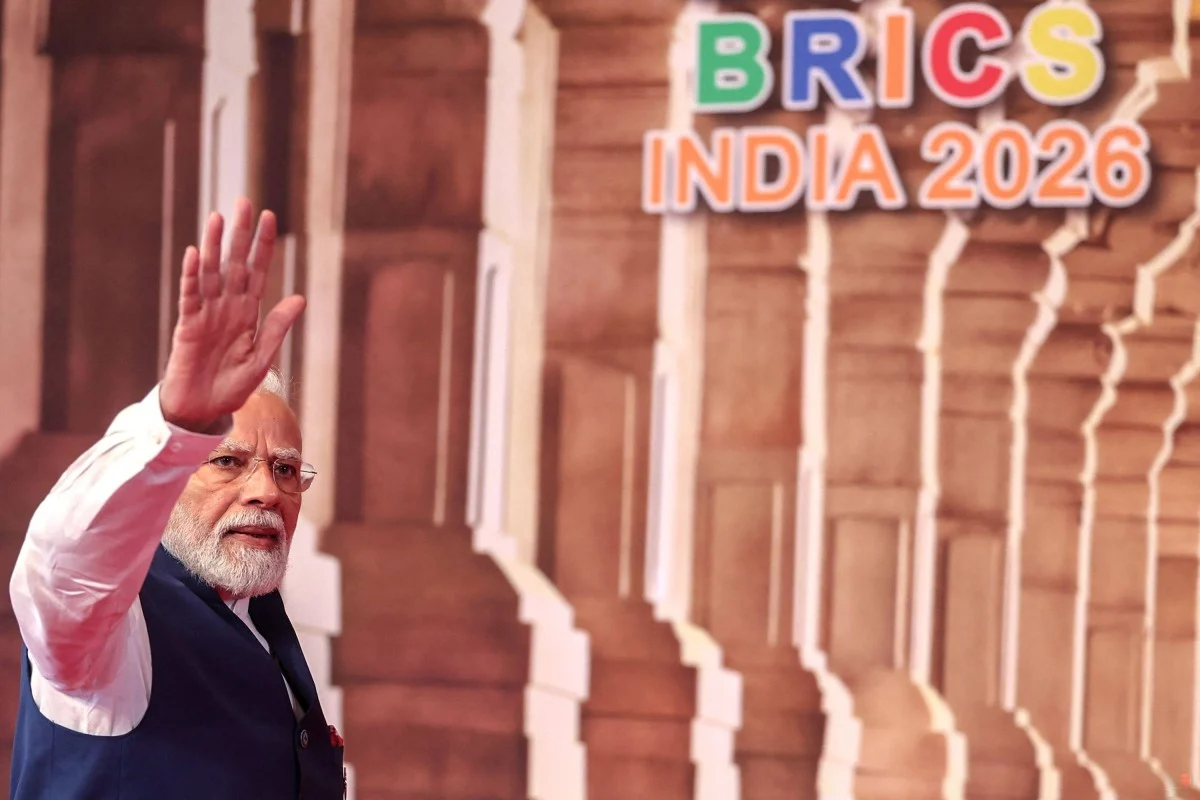
India scored a diplomatic win at the latest Brics summit, analysts have said, after steering an increasingly unwieldy bloc towards a joint declaration despite deep divisions over geopolitical conflicts and the global order.
Observers said New Delhi achieved “pragmatic consolidation” by avoiding forcing members to assign blame for contentious geopolitical issues, keeping the focus on trade, technology and greater representation for the Global South.
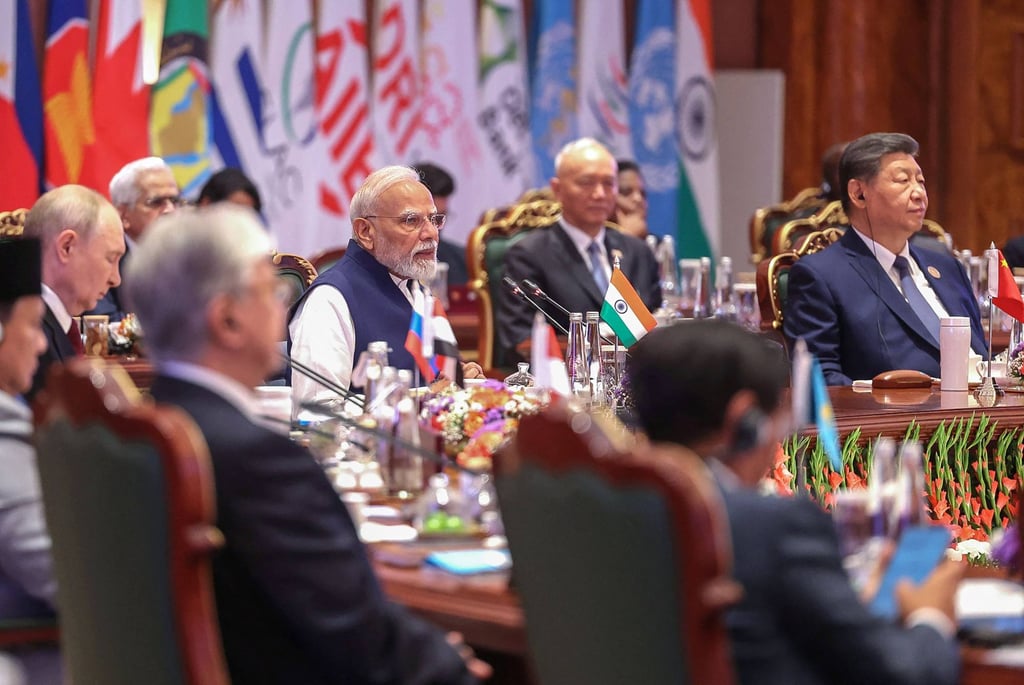
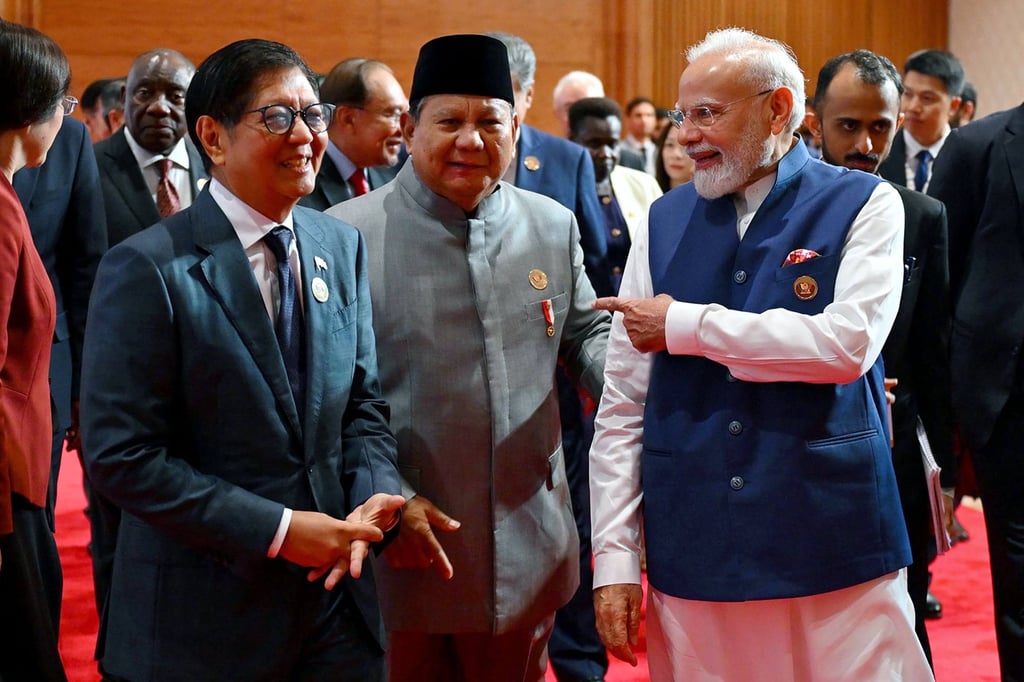
During the 18th Brics summit held in Delhi over the weekend, leaders from the expanded 11-member bloc addressed international conflicts, trade disputes and economic governance before adopting a unified joint declaration.

In it, leaders called for maximum restraint in the Middle East, expressed firm opposition to the displacement of Palestinians and cautioned against the weaponisation of critical minerals and technology.
Without directly naming the United States, the bloc also criticised protectionist trade policies and global tariff escalations.
As host, India emphasised digital public infrastructure, fairer international financial systems and stronger representation for developing nations.
Manoj Kewalramani, a geopolitical analyst and chairman of the Takshashila Institution’s geostrategy programme in India, said securing an agreed text was “no easy feat”.
“The fact that New Delhi could balance competing interests while getting principled agreements is a success,” he said, adding that the declaration managed to focus on issues without getting into “the politics of apportioning blame”.
Rityusha Tiwary, an assistant professor of political science at the University of Delhi’s Shaheed Bhagat Singh College, said India’s achievement as chair was one of “pragmatic consolidation rather than transformation”.


She said Delhi kept the agenda focused on areas where cooperation was politically feasible and directly relevant to the developmental priorities of developing countries, pointing to trade, technology, agriculture and digital public infrastructure.
“India has to manage a difficult balancing act. It wants Brics to strengthen the voice of the Global South while ensuring that the organisation does not simply become an instrument of Chinese strategic influence,” Tiwary said.
Brics’ foreign ministers failed to issue a joint statement in May due to sharp disagreements between new members Iran and the United Arab Emirates over the Middle East conflict, said Sarang Shidore, director of the Global South programme at the Washington-based Quincy Institute.
“India was able to find a solution to this impasse,” he said, referring to a paragraph of the declaration that expressed “deep concern” and called for “maximum restraint” over escalating tensions while omitting direct blame on specific countries.
“The price of this consensus, however, was weaker language on the Middle East war,” Shidore said, noting that the final text only acknowledged various national positions.
“So the divides in Brics were papered over,” he said, which allowed leaders to shift focus to developmental issues. India, for instance, contributed proposals on boosting small businesses and creating incubation and innovation ecosystems.
Mihaela Papa, director of research and principal research scientist at the MIT Centre for International Studies in Massachusetts, said India advanced cooperation in global supply chains, industrial development, agriculture, trade, health, science and innovation.
However, she added that little progress was made on the cross-border payments initiative endorsed by the bloc in 2020 or the Brics Grain Exchange mooted by Russia in 2023. The former has moved slowly due to technical, regulatory and political roadblocks, while the latter faces complex methodological and financial hurdles.
‘Anti-West vs non-West’
During the summit, Chinese President Xi Jinping proposed key initiatives for “greater Brics” cooperation focusing on the Global South, artificial intelligence, trade, digital industry, smart manufacturing and talent development.
Kewalramani said Xi’s summit speeches referencing a “Cold War mentality” and unilateralism were structured as a “pushback” against Western dominance.
“The implied solution is an order in which Western structural advantage is reduced and in which China’s global initiatives provide an architecture,” he said.
By contrast, Indian Prime Minister Narendra Modi’s focus was not on Western dominance but on the exclusion of developing nations.
“The solution, therefore, is larger representation and a stake in rule-making. This is the anti-West vs non-West distinction between the two,” Kewalramani said.
Tiwary said Brics should not be judged on whether it became a “coherent” geopolitical bloc, as its strength lay in being a flexible platform for issue-based cooperation among countries “that do not share a common strategic world view”.
“The larger the grouping becomes, the greater its representational weight, but also the greater the diversity of interests it has to accommodate,” Tiwary said.
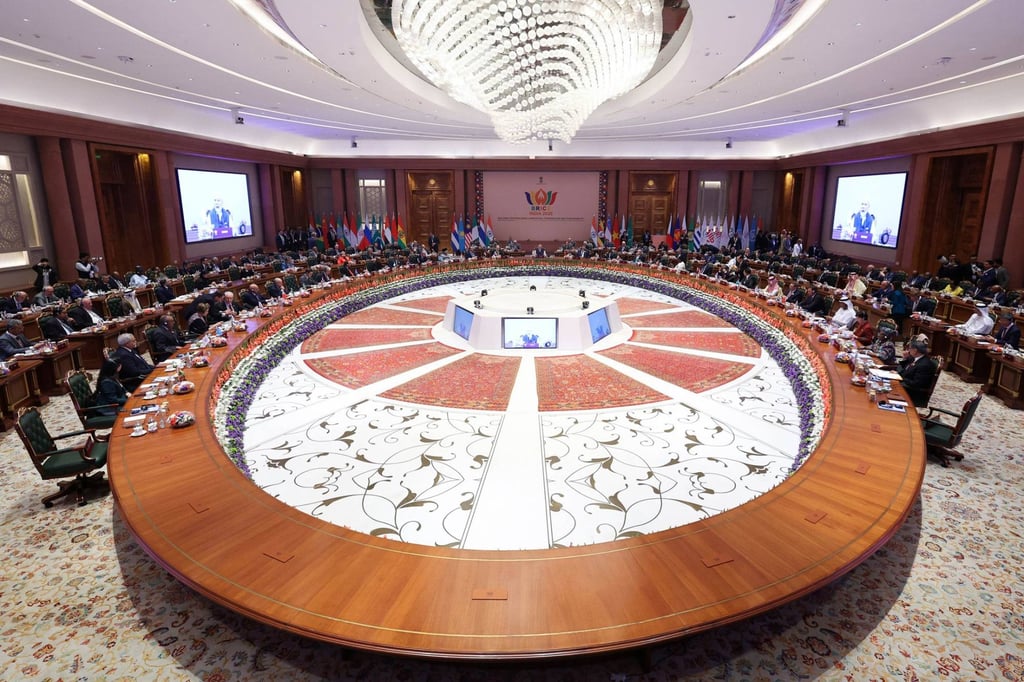
Brics currently has 11 full members – including Brazil, Russia, India and China – and 10 partner countries, such as Malaysia, Thailand and Vietnam. More than 30 additional nations, including Turkey, Pakistan and Bangladesh, have formally applied or expressed interest in joining.
Tiwary said India’s chairmanship showed that strategic autonomy and Global South leadership can coexist with pragmatic economic cooperation.
“The harder question is whether this can be sustained once the chairmanship passes to another member,” she added.
As India prepares to hand over the presidency to China, Papa said the two Asian powers would need to work closely to ensure continuity.
“China has been more engaged on artificial intelligence and the climate leadership agenda, so these areas may receive greater emphasis under its presidency,” Papa said.
Beijing sees Brics as a way to balance Washington and reinforce its implicit claim to be leader of the Global South, according to Shidore.
“India would like Brics to be more complementary to existing US-led institutions rather than directly rivalling them,” he said, adding that Delhi also competed with Beijing for leadership of the Global South.
“But neither side has allowed their competitive elements to overpower their constructive engagement with Brics. In this sense, both have shown maturity as major powers in Asia.”

Discussion about this post