



When the United States and Israel attacked Iran on Feb. 28, Iran retaliated with attacks that effectively closed the Strait of Hormuz. Oil prices spiked worldwide – and the oversized importance of the strait became crystal clear.
Here is a look at the strait’s significance in maps and charts.
What is the Strait of Hormuz?
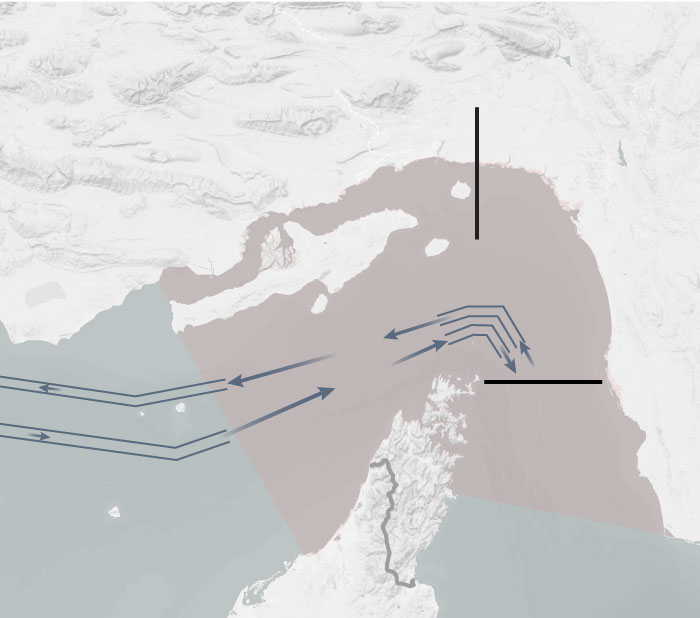
The Strait of Hormuz is a narrow passage of water between the Persian Gulf and the Gulf of Oman. It is used to transport a number of valuable commodities – most notably, oil.
.
Why is it important?
Around a fifth of the world’s traded oil typically flows through the Strait of Hormuz every day. Saudi Arabia, Iraq, the United Arab Emirates, Kuwait, and Iran are all major exporters.
At its narrowest point, the strait is roughly 21 miles (34 kilometers) wide.
Ships travelling the strait must follow narrow shipping lanes to safely navigate the shallow water, making it even more of a chokepoint.
The Gulf nations are among the world’s biggest producers of crude oil. They also produce large quantities of refined products like gasoline, diesel, and jet fuel.


A sizable proportion of the oil that travels through the strait is sent to Asia, with China, India and Japan all major customers. But because oil prices are set internationally, disruptions in the Middle East affect prices everywhere, even in distant countries with their own resources.
How did the war affect shipping in the strait?
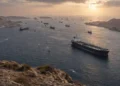
Ship traffic in the strait has fallen dramatically since the start of the war.
Why did tanker traffic drop so much?
Iran has targeted oil infrastructure in the Persian Gulf, launching drones and missiles at the ports and refineries responsible for producing oil. Some oil fields halted their output, so there was less oil available for export


Discussion about this post