



Emafini- Eswatini is winning the battle against AIDS-related deaths, but the war against HIV is far from over, with more than 4 000 new infections still being recorded every year.
This is despite the country achieving an impressive 98-98-98 HIV treatment cascade, with 98 per cent of people living with HIV knowing their status, 98 per cent of those diagnosed receiving treatment and 98 per cent of those on treatment achieving viral suppression
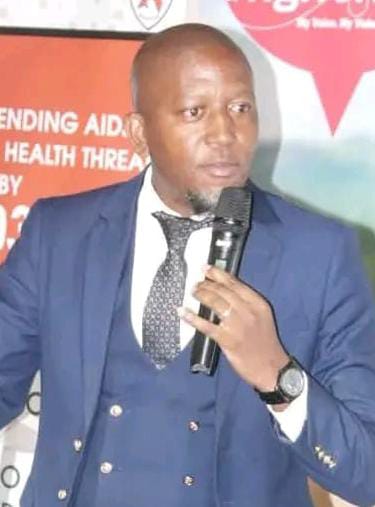
The figures were presented by National Emergency Response Council on HIV and AIDS (NERCHA) Director for HIV Response and Coordination, Dr Bongani Masango, during the quarterly Eswatini Editors’ Forum meeting held at Emafini Country Lodge on Monday.
According to Masango, Eswatini has an estimated 215 527 people living with HIV, while national HIV prevalence stands at 24.8 per cent.


Despite the high prevalence, the country has recorded a more than 50 per cent decline in AIDS-related deaths across all age groups, a development attributed largely to increased access to antiretroviral treatment and improved viral suppression.
The gains, however, have exposed another challenge facing the country, stopping new infections.
Masango said national HIV incidence stood at 0.62, with more than 4 000 new HIV infections recorded annually, based on 2021 data.
The figures suggest that while Eswatini is succeeding in keeping people living with HIV alive and healthier, transmission of the virus remains a serious concern.
The country’s progress in treatment is further reflected in the performance of women and men. Women recorded a 95-98-96 cascade, while men stood at 92-96-97 across HIV testing, treatment and viral suppression.
Masango said the focus could no longer be placed solely on treatment, but had to increasingly shift towards prevention.
He said the country had also received reports of condoms running out in some communities, although he cautioned that the reported shortage did not necessarily mean condoms were all being used for their intended purpose.
According to Masango, engagements with communities had revealed unusual uses of condoms, including some soccer players using them as makeshift elastic bands to keep their socks in place.
He further said some elderly people reportedly used the oil from condoms to rub their knees, believing it had healing properties.


The revelations come at a time when Eswatini is seeking to sustain the gains made under its HIV response while working towards ending AIDS as a public health threat by 2030.
Under the National HIV Strategic Framework 2024-2028, NERCHA has prioritized community-led and person-centred interventions aimed at strengthening prevention, treatment and care.
The latest figures therefore present a mixed picture for Eswatini. On one hand, the country has made substantial progress in reducing deaths among people living with HIV and ensuring that those on treatment achieve viral suppression.
On the other, continued new infections mean that the pipeline of people requiring lifelong treatment has not been closed.
With Eswatini already carrying one of the highest HIV prevalence rates in the world, the challenge now is to ensure that the success achieved in treatment is matched by equally aggressive efforts to prevent new infections.


Discussion about this post