



Ezulwini- The Eswatini Water Services Corporation (EWSC) is urging consumers to look beyond the monthly water bill and consider the hidden costs they incur when reliable water is not readily available.
EWSC Managing Director Jabulile Mashwama said the true cost of water becomes clearer when households account for the time and money spent securing alternative water supplies when they are not connected to the network.
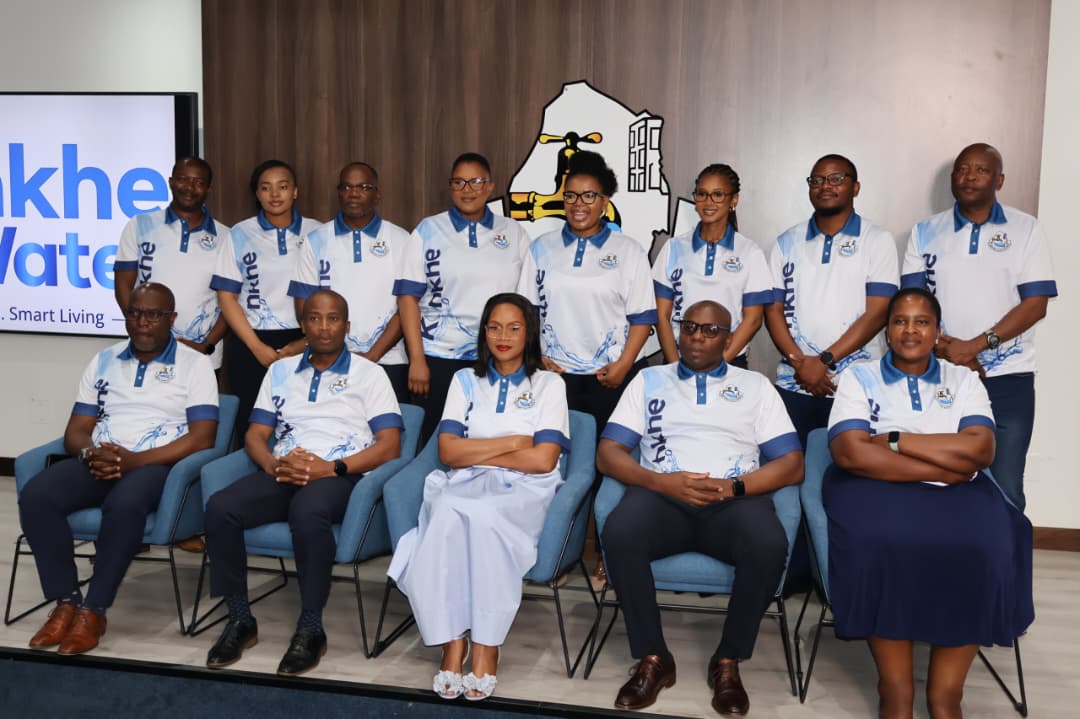
Mashwama was speaking during the launch of the corporation’s ‘Konkhe ngaWater’ campaign in Ezulwini, an initiative aimed at promoting responsible water consumption while highlighting the value of convenient access to water services.
She said experiences shared by newly connected customers in the Shiselweni Region had demonstrated that accessing water outside the formal supply network could be more costly than consumers realized.


According to Mashwama, some households had previously spent considerable amounts of money and time obtaining water before being connected to EWSC services.
She said this showed why consumers needed to consider more than the price charged for water when assessing affordability.
“Until you actually realise and quantify the cost of not having water, you don’t realise how much you’re spending on water,” Mashwama said.
The EWSC boss said the corporation was therefore focused on expanding infrastructure to bring water services closer to communities, with universal access to reliable and convenient water targeted by 2030.
Mashwama said the campaign was intended to connect EWSC’s infrastructure expansion, customer services and responsible consumption efforts under one message.
She also highlighted prepaid water as part of the corporation’s efforts to give customers greater control over their consumption and household spending.
Mashwama said the system enabled consumers to purchase water according to what they had budgeted for, allowing them to monitor and manage their usage.
She said this was particularly important as the corporation sought to encourage consumers to treat water as a valuable resource rather than an unlimited commodity.
The campaign therefore goes beyond encouraging people to save water, with EWSC seeking to change how consumers understand the economic and social value of reliable water access.


Mashwama said communities also had a responsibility to protect the country’s water resources as the corporation continued investing in infrastructure and expanding access.
She said sustainable development could not be achieved by EWSC alone and required consumers to use water responsibly while safeguarding the resource for future generations.
The campaign comes as EWSC works towards its 2030 universal-access target, with the corporation positioning improved access, customer convenience and responsible consumption as key components of its long-term water service strategy.


Discussion about this post