



Mbabane – Government ministries, disaster agencies, and environmental authorities started gathering this week for a high-level stakeholder workshop aimed at reshaping the country’s drought preparedness, response, and long-term climate adaptation.
The Principal Secretary (PS) for the Ministry of Agriculture, Sydney Simelane, opened the meeting. He underscored the urgency of the exercise, noting that “proactive drought planning, preparedness, and risk mitigation are not a choice but an imperative if the nation is to safeguard livelihoods, enhance human well-being, and build resilience in the face of growing climate uncertainty.”
He further highlighted Eswatini’s position as a beneficiary of the UNCCD Global Drought Initiative, through which the Food and Agriculture Organization (FAO) has provided E650,000 to support the review.
“The Kingdom of Eswatini is one of the proud beneficiaries of this initiative,” he said, adding that the funding would help strengthen and update the national drought framework.
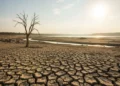
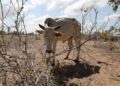
Simelane warned that climate projections for Southern Africa point to more intense and more frequent droughts than those witnessed in the past century.
He cautioned that such shifts could lead to “crop failure, reduced yields, livestock and wildlife mortality, increased fire risk, diminished freshwater availability, and deepening poverty.”


While drought coordination is led by the Office of the Deputy Prime Minister through the National Disaster Management Agency (NDMA), the workshop brings together a broad coalition of government institutions, including the ministries of Tinkhundla Administration, Tourism and Environmental Affairs, Natural Resources and Energy, and the Eswatini Environment Authority (EEA), to ensure the revised plan is both robust and practical.
For the duration of the meeting, participants will focus on aligning the drought plan with national policy, updating its action areas to reflect current and emerging challenges, and developing an investment framework to turn the plan into bankable, fundable interventions. Key priorities include strengthening early warning systems, assessing risk and vulnerability more effectively, and improving response and recovery measures.
Simelane also called for innovative solutions such as drought-index insurance for farmers and emphasised the need to mainstream the concerns of vulnerable groups.
“We look forward to concrete solutions, particularly for women, youth, and persons living with disabilities,” he noted.
Describing the process as “a truly national exercise,” Simelane urged full participation from all sectors and encouraged stakeholders to share data, reports, and insights essential to the plan’s success.
Declaring the workshop officially open, he expressed confidence in “rich, fruitful, and action-oriented deliberations” as Eswatini moves to strengthen its resilience to escalating climate threats.


Discussion about this post