



Lobamba– The government of Eswatini has moved to tighten tax administration by shifting the collection of fuel tax to the country’s ports of entry, saying the current system is allowing revenue leakages despite growing fuel consumption.
This follows the Senate’s passage of the Fuel Tax Amendment Bill Number Six of 2026 which seeks to change the point at which fuel tax is collected from after petroleum products have been sold to licensed wholesalers and retailers to the point of importation.
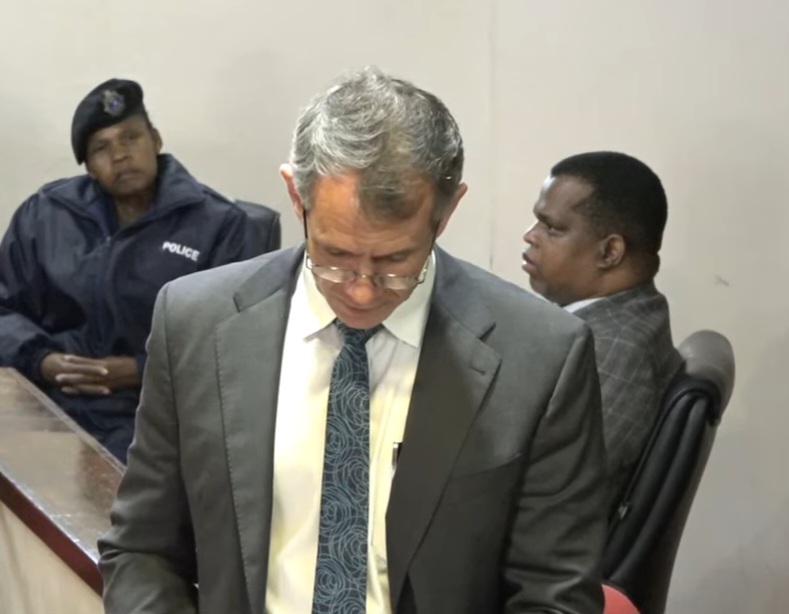
Piloting the Bill, Minister for Finance Neal Rijkenberg told the Upper House that the amendment was prompted by a disturbing trend where fuel tax collections have continued to decline while the number of fuel consumers has increased.
He explained that the Fuel Tax Act of 2022 was enacted to empower the Commissioner General of the Eswatini Revenue Service (ERS) to collect fuel tax from wholesale petroleum companies. Although the law was later strengthened to give the Commissioner General powers to enforce compliance, the collection mechanism itself remained vulnerable because fuel tax only becomes payable after fuel has been sold within the country.


“All petroleum products consumed in Eswatini are imported, yet fuel tax is not collected when the fuel enters the country,” said Rijkenberg. “It has been realized that fuel tax collected is decreasing by the day, whereas the number of customers is increasing. It is for that reason that Government has resolved to collect fuel tax at importation,” he argued.
The minister said consultations with the Ministry responsible for Natural Resources and the Eswatini Revenue Service had confirmed that the current system was contributing to revenue leakages. He submitted that analysis undertaken by the two institutions showed that collecting the levy at the country’s borders would improve accountability and result in higher revenue collections.
He said the proposed amendment would ensure imported fuel is taxed before entering the local supply chain, rather than relying on taxes being collected after distribution to wholesalers and retailers.
Rijkenberg told senators the approach was consistent with the collection of taxes on most imported goods, where duties and taxes are paid before products are released into the domestic market.
“We have officials stationed at the borders where fuel is imported. It is therefore easier to account for every consignment at that stage than after it has already entered the distribution chain,” he said.
He added that the Bill also makes provision for fuel tax to apply to any petroleum products that may be manufactured locally in future, thereby ensuring the legislation remains relevant as the country’s energy sector evolves.
Contributing to the debate, Chief Prince Mphatfwa welcomed the amendment, saying the existing collection model had made compliance difficult to enforce. He said the proposed changes would strengthen the integrity of the fuel tax system and help protect Government revenue.
Senator Attorney Sibandze also supported the Bill, describing the current arrangement as inappropriate because tax was collected after fuel had already entered the market. While backing the amendment, he urged Government to examine whether similar weaknesses existed in other tax collection systems so that they too could be addressed.


The Minister referred the Bill to the Senate Portfolio committee.
The amendment forms part of government’s broader efforts to strengthen domestic revenue mobilisation by closing tax loopholes and improving compliance. Once enacted, fuel tax will become payable at the point of importation, a move government believes will significantly reduce opportunities for revenue leakages while improving the efficiency of tax collection.


Discussion about this post