



Mbabane- The government of Eswatini is shifting its support for micro, small and medium enterprises (MSMEs) beyond financing by investing in quality certification infrastructure, in a move aimed at helping locally manufactured products meet retail standards and compete in formal markets.
The Ingelo Certification Scheme is government’s latest intervention aimed at addressing those structural barriers.Implemented by the Eswatini Standards Authority (ESWASA) in partnership with the Small Enterprises Development Company (SEDCO), the programme provides selected micro, small and medium enterprises (MSMEs) with purpose-built production facilities, technical support and assistance to develop quality management systems needed to achieve certification.
Commerce, Industry and Trade Minister Manqoba Khumalo said the objective is not simply to provide infrastructure but to build businesses capable of consistently producing safe, high-quality products that can compete in formal markets.
“The Ingelo approach recognises that certification is not an event, but a process. MSMEs require technical guidance, appropriate facilities, training and sound management systems,” he said.


Khumalo believes improving production standards will enable more local manufacturers to secure shelf space in supermarkets, increase consumer confidence and ultimately expand into export markets.


Unlike conventional business incubation programmes, the production cottages will operate on a rotational basis. Each qualifying enterprise will occupy a facility for a defined period before making way for another business from the same Inkhundla. investment benefits communities over the long term.
The initiative also highlights the increasing role of development partners in strengthening Eswatini’s enterprise sector. The United Nations Development Programme (UNDP) has funded technical experts responsible for helping participating businesses establish quality management systems and prepare for certification.
Government argues that raising production standards is essential if local enterprises are to take advantage of procurement opportunities, compete against imported products and contribute meaningfully to industrialisation.
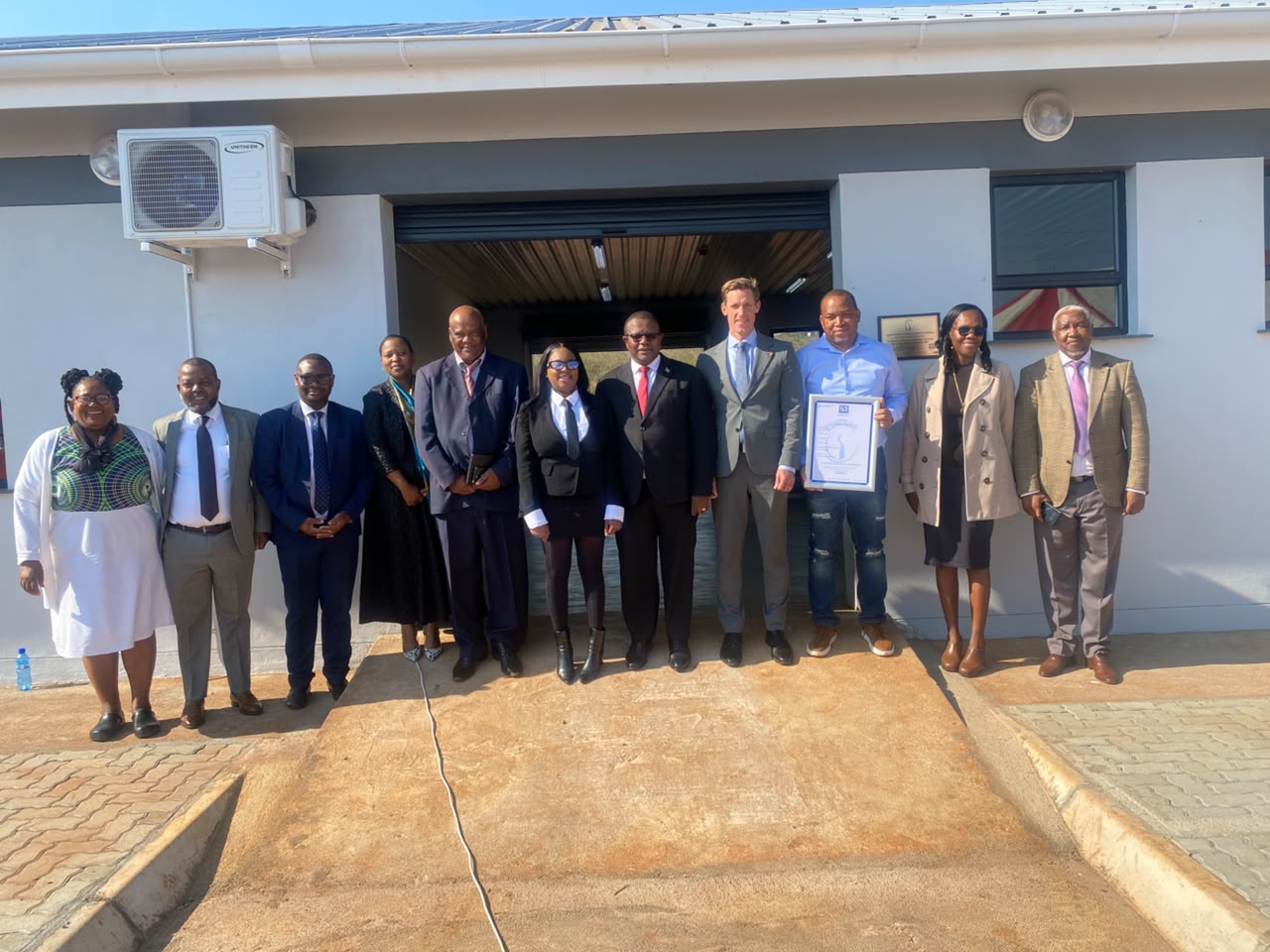
The programme has already produced its first certified enterprise. Tsawela Honey became the inaugural recipient of the Ingelo Certification after implementing a quality management system, successfully undergoing an independent audit and having its honey tested by accredited laboratories, where it was found to comply with recognised standards for human consumption.


Discussion about this post