



The United States has escalated its rhetoric against Iran, with President Donald Trump warning that Washington could take over the Strait of Hormuz if Tehran fails to reach a deal during ongoing negotiations in Switzerland.
This is according to multiple reports from U.S. media and statements cited by international news agencies.
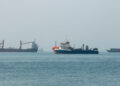
The comments were made during a Sunday interview on Fox News, where Trump warned that the U.S. could resume military strikes and move to secure the strategic waterway if Iran continues to obstruct negotiations or disrupt global oil shipping routes. The Strait of Hormuz is one of the world’s most critical energy chokepoints, carrying a significant portion of global oil exports.
Trump reportedly said the United States would not allow Iran to use the strait as leverage, suggesting that Washington could assume control of the passage and regulate or restrict Iranian influence over shipping. In earlier remarks, he also warned of severe consequences if Iran escalates tensions in the region, particularly through allied groups in Lebanon and surrounding conflict zones.
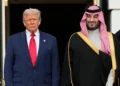
The warning comes as U.S. Vice President JD Vance leads American negotiators in Switzerland, where preliminary talks with Iranian officials are underway. The discussions are part of a broader diplomatic framework aimed at reducing hostilities, addressing Iran’s nuclear program, and restoring stability to global energy routes.
According to reports, the Swiss talks are focusing on a temporary 60-day roadmap that would include easing sanctions on Iran in exchange for commitments on nuclear restrictions and regional de-escalation. Vance has described early discussions as constructive, although major disagreements remain over sanctions relief and control of the Strait of Hormuz.
Iranian officials, however, have strongly objected to Trump’s remarks, reportedly lodging a formal complaint during the negotiations. Tehran has maintained that its actions regarding the strait are linked to broader regional security concerns, including ongoing violence in Lebanon and U.S. policy in the Middle East.


State media in Iran has framed the U.S. president’s comments as provocative and an attempt to exert unilateral control over international waters, warning that such threats could undermine diplomatic progress.
The Strait of Hormuz remains a persistent flashpoint in U.S.-Iran relations. Any disruption there has immediate global economic consequences, as it is a key route for crude oil shipments from Gulf producers to international markets.
While diplomatic efforts continue in Switzerland, Trump’s latest is reported to have undelined the fragile nature of the negotiations, with both sides maintaining hardline positions even as mediators push for a temporary framework agreement.
Analysts say the coming days will be critical in determining whether the talks can move from confrontation to compromise, or whether the situation risks further escalation in one of the world’s most strategically sensitive regions.


Discussion about this post