



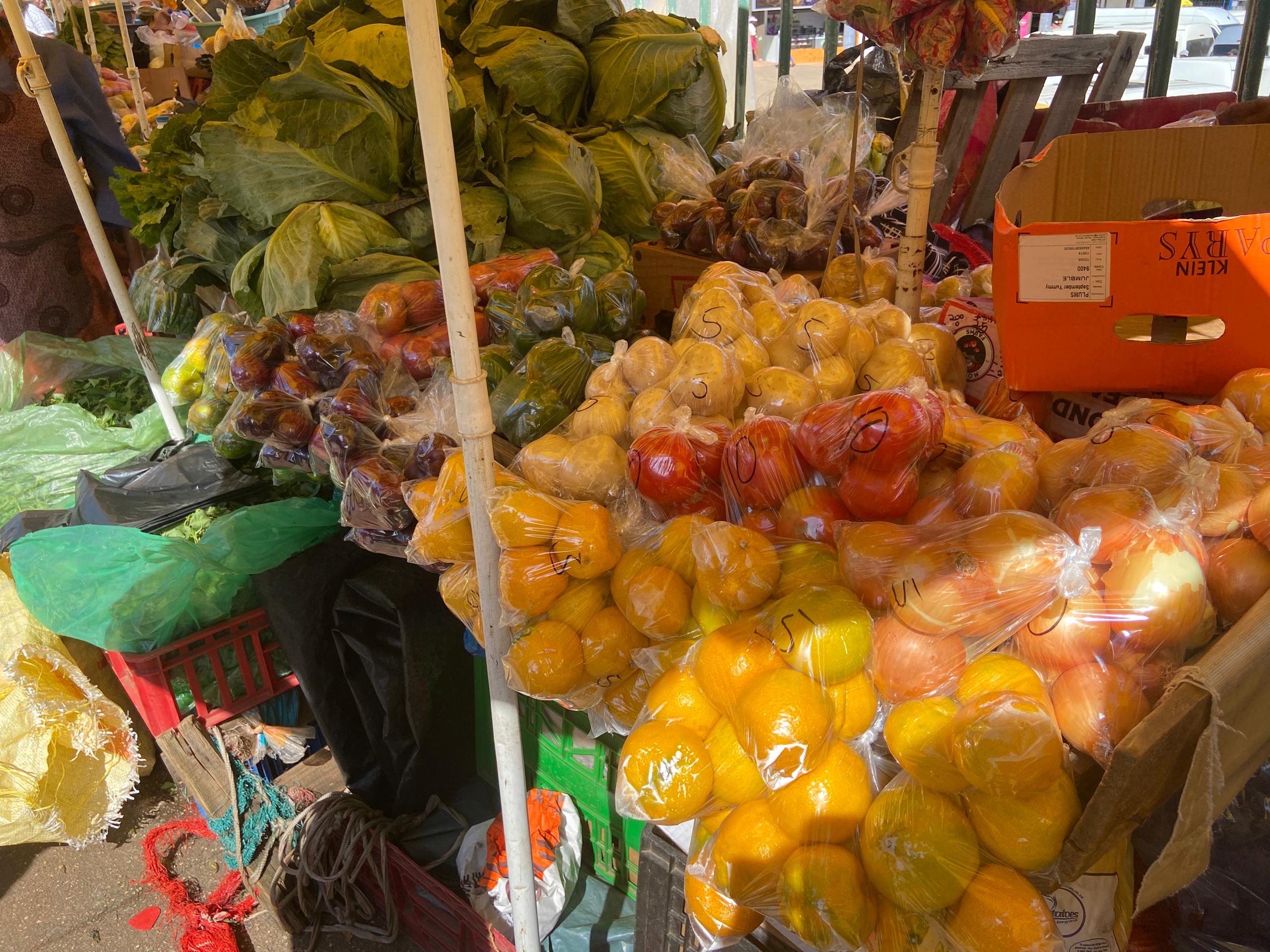
Mbabane- Escalating electricity and fuel costs are beginning to bite deeper into household budgets and small businesses, with both consumers and informal traders reporting significant increases in the cost of basic goods.
A local shopper in Mabane told this publication that she has been forced to change her shopping habits, now opting to buy groceries from Boxer instead of Pick n Pay, citing more affordable prices.
” Here at Boxer, the prices are better, you find combined items at affordable prices,’ she said.
She explained that the shift comes as the cost of living continues to rise, making it increasingly difficult to sustain previous spending patterns.


“Before, I could buy groceries that lasted me a full month with E2,000. Now, that same amount doesn’t even cover a full month,” she said.
The impact is not only being felt by consumers but also by small-scale traders, particularly street vendors who rely on daily sales for survival.
A fruit and vegetable vendor who spoke to this publication said the rising cost of stock has severely affected her business, leaving little to no room for profit.
“We are now just selling to keep the day going. There are no profits anymore,” she said.


She added that where she previously needed around E500 to stock fruits and vegetables, she now requires close to E2,000 to purchase the same quantity.
The vendor noted that despite the higher costs, increasing prices for customers is not always an option, as many are already struggling financially.
The combined effect of rising fuel and electricity costs continues to ripple across the economy, driving up transport and supply expenses, which are ultimately passed down to both traders and consumers.
As inflationary pressures persist, both households and small businesses are being forced to adjust, with many prioritizing affordability and survival over long-term financial stability.


Discussion about this post