



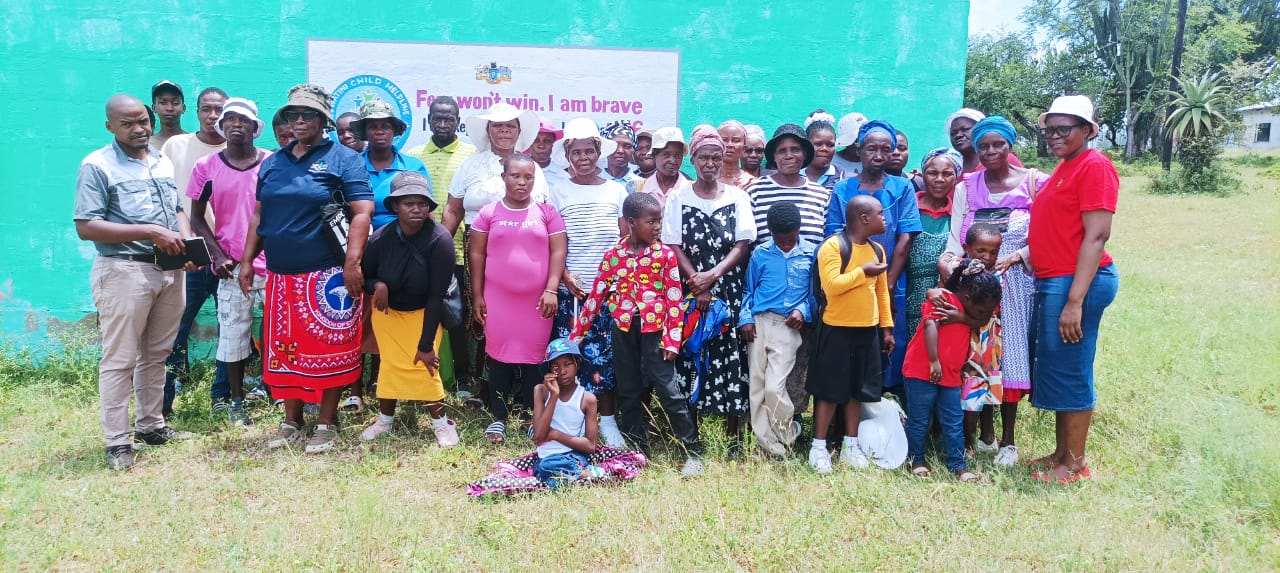
Siteki—The “She Leads” project is fostering a grassroots change narrative in Hlane under the Dvokodvweni Inkhundla constituency, Lubombo region, that communities should replicate.
The project lead, the award-winning Outstanding Leader of the Year 2025, Thulisile Maziya, who also serves as Student for Liberty local coordinator under the ”She Leads” project, explains why she is in support of this approach.
Maziya states, “Since 2025, a couple of young girls and “able-different women” have been empowered with advocacy skills and economic empowerment efforts that seek to advance their inclusion, self-determination, and sustainable livelihoods.
“Since the project started, there has been ongoing advocacy. At the core of the project are youth leadership training, the human rights-based advocacy and inclusive development approach sensitization, and the actual creation of community accountability platforms that enable participants to demand their rights with the purpose of driving change.


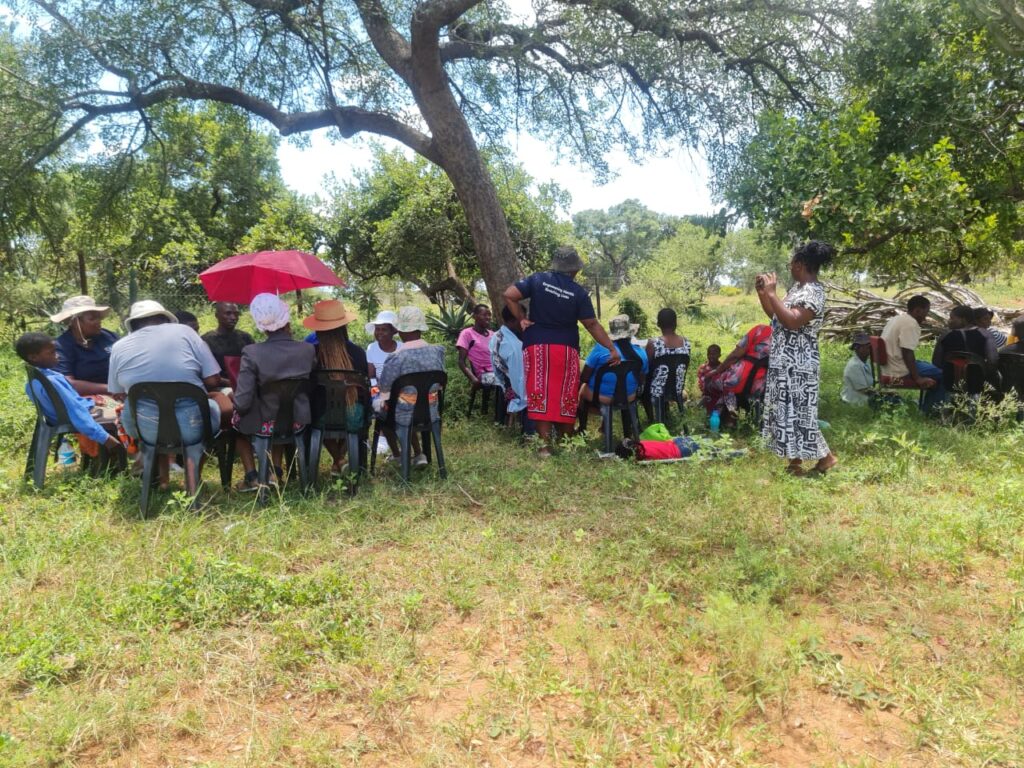
“If rights are not demanded from the centers of power, we can be sure that there would not be sustainable development and people would be left behind instead of reminding one another that authentic progress happens where power shifts more to those who have been initially excluded in decision-making spaces.
“The ‘She Leads’ project enables participants to advocate for inclusive access to opportunities, resources, and support systems that contribute to long-term independence through sustainable income-generating activities. That is why the project emphasizes supporting the participants to be change advocates. It amplifies their voices.
“Hlane proves to be a powerful example of grassroots representation for change. Before we can change the world, more grassroots movements, especially those involving more women, girls, and youth with disabilities, are necessary.
“In various communities across Eswatini and beyond, persons with disabilities are mostly discriminated against and perceived as passive recipients of resources and services rather than active contributors to society. Stigma persists, economic barriers remain high, and voices that deserve to lead are ignored and finally suppressed. Yet in Hlane, a community-led initiative called “Empowering Voices” is changing the narratives.
“Unlike being one more charity-based organization, “Empowering Voices” is equipping individuals to claim their rightful positions in the economic decision-making spaces. Moreover, the project engages families, community leaders, traditional authorities, and local development structures to confront stigma head-on, challenge exclusionary practices, and promote disability-inclusive development.


“This shows that continuous community engagement creates collective responsibility, reminding everyone that pathetic inclusion benefits the whole society.
“Let us empower women with disabilities, often referred to as ‘able-differently women.’ Through this project, girls and youth are recognized as leaders and contributors to development, rather than passive beneficiaries.
“This approach resonates deeply in a context like Eswatini, where a disability rights framework (including the Persons with Disabilities Act) exists, but implementation often lacks at the grassroots level.
“We should all be seeing that community-led models like this bridge the gap, strengthening advocacy from the ground up and enhancing equitable outcomes. By centering those most affected, empowering voices not only improves economic participation but also cultivates dignity, agency, and leadership among those historically marginalized as implementation continues.
“The project envisages delivering stronger grassroots advocacy, greater economic inclusion, and more equitable development across Dvokodvweni and the wider Lubombo region.
“This should be the blueprint for other communities to adopt. Let us invest in local leadership and prioritize economic self-reliance through advocacy and engage everyone from families to traditional leaders in dismantling barriers.
“Eswatini and the global community need to celebrate and support such efforts as ’empowering voices’ do not just change lives but also transform societies for the better.”

Discussion about this post