



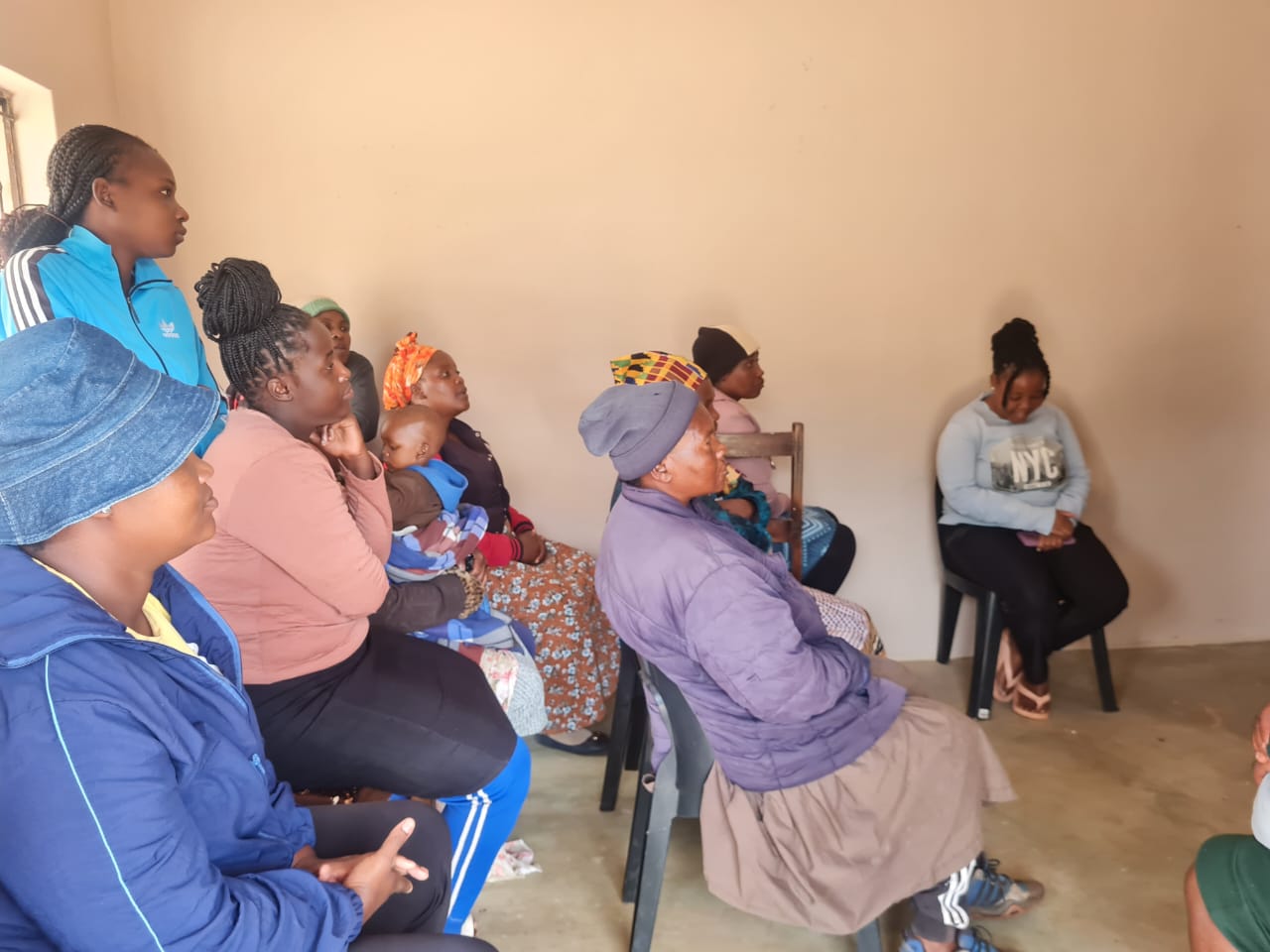
Siteki – The “She Leads” project recently expanded to the Mlindazwe village in the Lubombo region, where young women received an awareness session on personal rights and independence for people with disabilities.
The She Leads Project, launched in collaboration with Students For Liberty, aims to foster inclusive leadership among young women and people with disabilities in Eswatini.
The programme acknowledges that individuals with disabilities frequently encounter systemic obstacles, prejudice, and restricted chances to engage in leadership and decision-making procedures.
Through focused leadership development sessions, the project attempts to equip participants with the knowledge, confidence, and practical leadership skills essential to advocate for their rights and actively participate in community development.

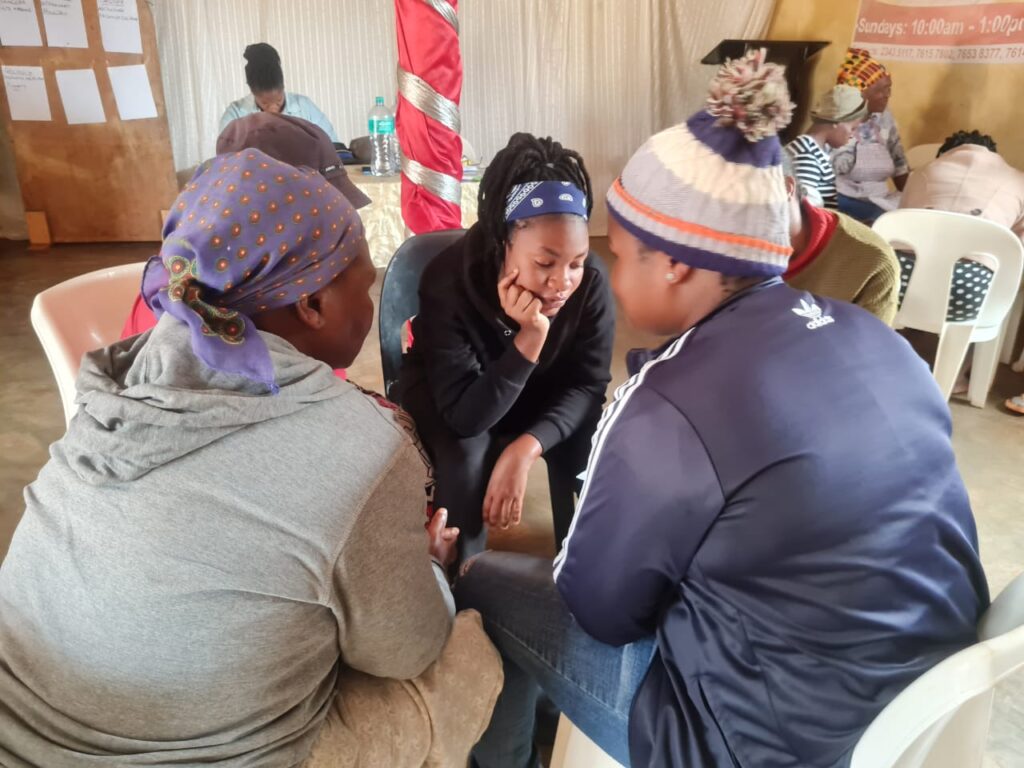
The training was facilitated by yours truly, Thulisile Maziya, a community leader and gender justice advocate, together with co-facilitator, Nkoslusile Mdlovu, who supported the facilitation and engagement of participants throughout the session.
During the training, participants engaged in interactive discussions, participatory exercises, and practical leadership reflections focusing on personal rights, freedom, inclusive leadership, and self-advocacy.
The facilitators highlighted that principles, courage, vision, and dedication to social change are what constitute leadership, not physical ability. Participants were taught to appreciate their own dignity, strengths, and power to impact decisions in their communities.
The facilitators also highlighted core leadership values that define responsible and transformative leaders. These included integrity, empathy, accountability, courage, resilience, and inclusivity. Through group discussions and personal reflections, participants explored how these leadership qualities can guide them in becoming change-makers within their families, communities, and local organizations.
The facilitators also highlighted core leadership values that define responsible and transformative leaders. These included integrity, empathy, accountability, courage, resilience, and inclusivity. Through group discussions and personal reflections, participants explored how these leadership qualities can guide them in becoming change-makers within their families, communities, and local organizations.
The session also aimed to build awareness and leadership among young women so that they can advocate for inclusive communities where persons with disabilities are respected and empowered.
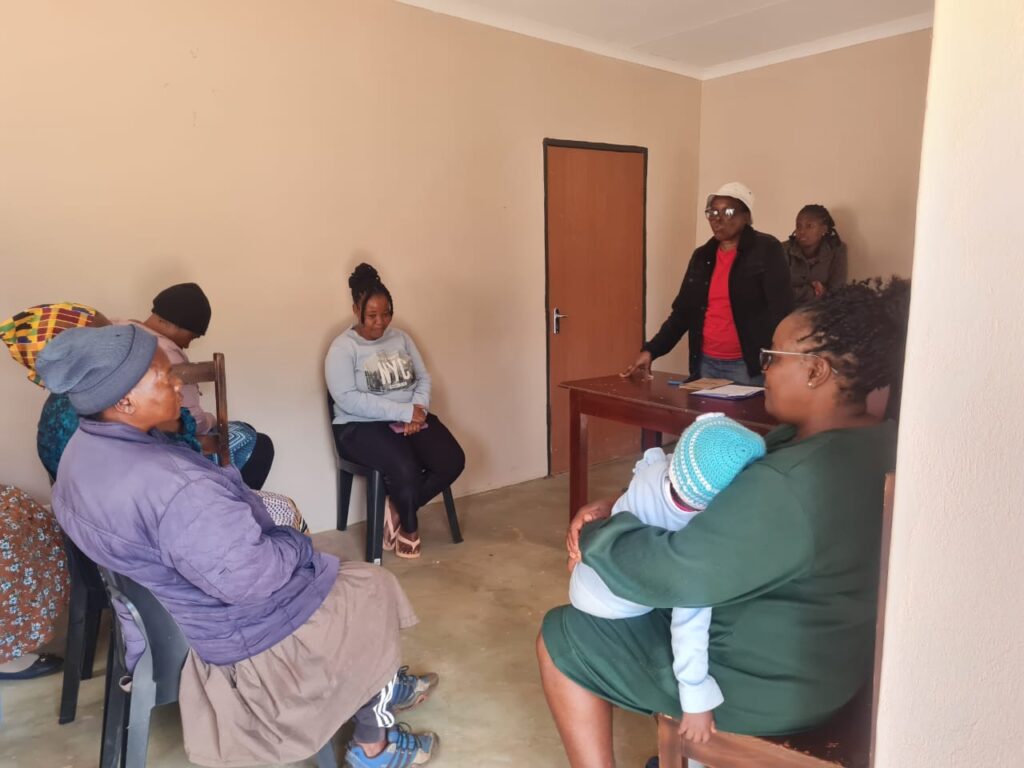
Such engagements are essential in the creation of a safe learning space where young women reflect on justice, equality, and inclusion.


Through dialogue and shared experiences, the participants gained confidence to support differently-abled persons.
Key Messages Shared During the Training
- Understanding Human Rights
Participants were introduced to the concept that every person, including differently abled individuals, has equal rights and dignity. These rights include freedom of movement, access to education, participation in community life, and protection from discrimination.
- Freedom and Inclusion
The training emphasised that disability should never limit a person’s freedom or opportunities. Communities must remove barriers that prevent differently-abled people from participating in social, economic, and political activities.
- Breaking Stigma and Cultural Barriers
Many rural communities still hold misconceptions about disability. The session encouraged young women to become advocates who challenge stigma, harmful beliefs, and exclusion.
- Leadership of Young Women
Mlindazwe young women were encouraged to become community leaders and rights defenders, ensuring that the voices of differently-abled people—especially women and girls—are heard.
- Community Responsibility
Participants discussed how families, traditional leaders, and community organisations must work together to promote accessibility, equality, and protection of rights.
Continued collaboration with partners such as Students For Liberty and support from donors will enable the expansion of the She Leads Project to additional rural communities, allowing more marginalized groups to access leadership training, rights awareness, and empowerment opportunities.
Through this initiative, the project continues to demonstrate that empowered individuals can become transformative leaders who drive positive change within their communities and beyond.

Discussion about this post