



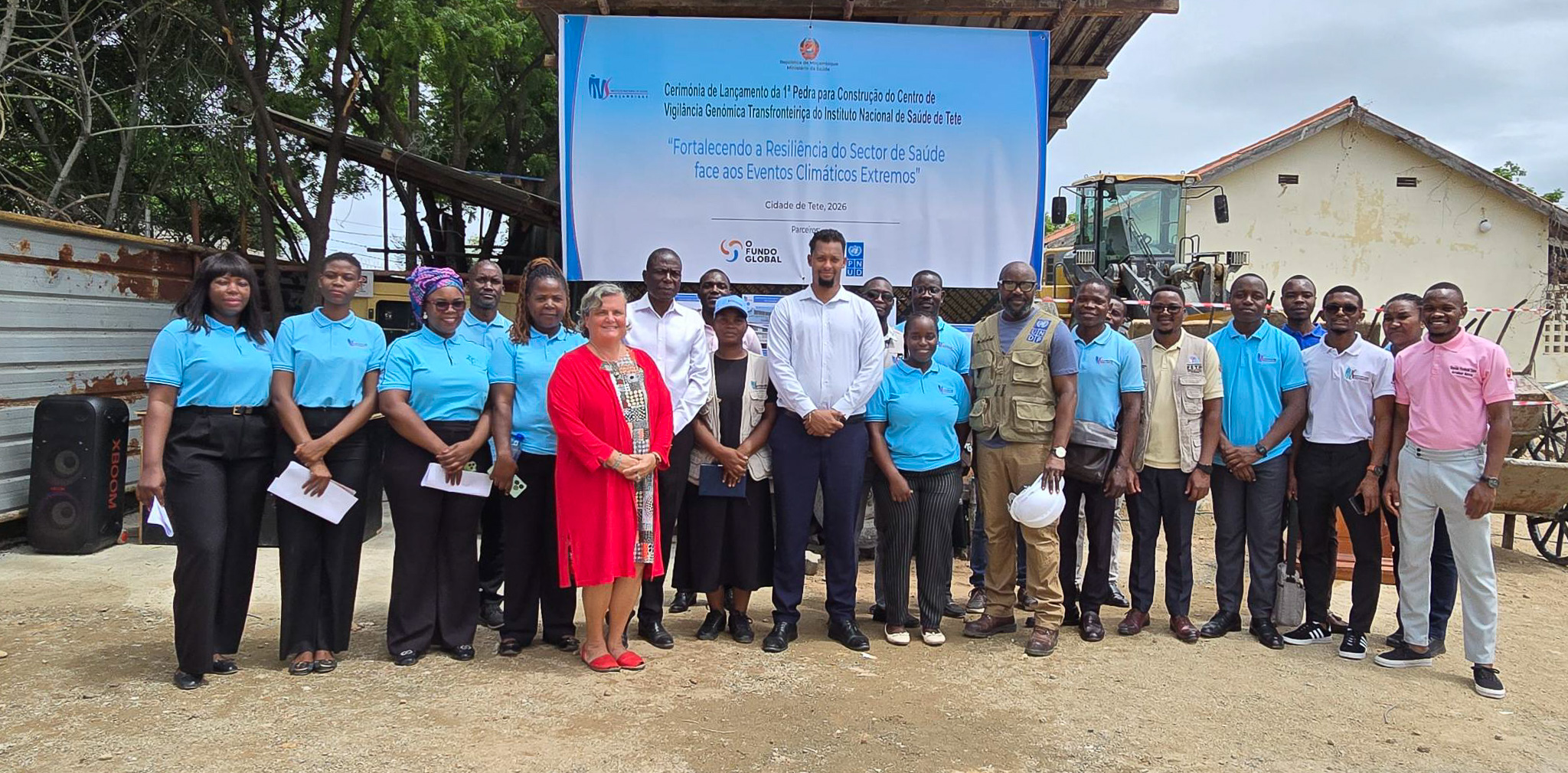
Maputo – Mozambique took a major step in strengthening its health system yesterday with the groundbreaking of the Genomic Surveillance Center in the city of Tete. The centre is designed to expand the use of integrated genomics, supporting disease prevention, accurate diagnosis, and effective treatment.
The Ministry of Health (MISAU), the National Institute of Health (INS), and the United Nations Development Programme (UNDP) jointly launched the construction, with funding from the Global Fund to Fight AIDS, Tuberculosis and Malaria. Officials described the project as part of broader national efforts to boost the resilience and responsiveness of the country’s health system.
Five years after the COVID-19 pandemic, Mozambique continues to apply lessons on surveillance, early detection, and rapid response. “The pandemic underscored the critical need for scientific and technological investment to ensure preparedness for future outbreaks,” UNDP noted.
The Genomic Surveillance Center will strengthen Mozambique’s capacity to respond to emerging health threats, including diseases affecting humans, animals, plants, and the environment, under the One Health framework. It will also support epidemiological research, emergency preparedness, and public health initiatives.


The facility’s design includes renewable energy systems, reliable water supply, an internal digital data network, enhanced security, and accessibility features for women and persons with disabilities. These elements aim to ensure functionality, resilience, and long-term sustainability.


This development aligns with Mozambique’s 10-year Integrated Genomics Strategic Plan, which seeks to create a unified system for generating and using genomic data. Through the Health System Strengthening project, UNDP is also involved in building and equipping public health laboratories, regional INS centres, and a Bioinformatics Center at INS headquarters.


Discussion about this post