



Mbabane – Eswatini has begun developing its Long-Term Low Emission Development Strategy, or LT-LEDS, aimed at guiding the country’s transition to a low-carbon and climate-resilient economy by 2050 with technical and financial support from the United Nations Development Programme and international partners.
The LT-LEDS process was officially launched during a national stakeholder consultation workshop at the Mountain View Hotel in Mbabane, attended by senior government officials, development partners, technical experts and media representatives.
UNDP Resident Representative Henrik Franklin said climate change continues to pose serious risks to development, particularly for countries such as Eswatini.
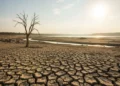
“Climate change is not an isolated environmental issue. It is part of a triple planetary crisis of climate change, biodiversity loss and pollution, and it is actively reversing decades of development progress,” Franklin said. He added that for developing countries, these impacts translate into more frequent droughts, floods and economic shocks that undermine livelihoods and strain public resources.

Franklin said Nationally Determined Contributions are critical tools for addressing these challenges as they outline national priorities and attract climate finance. He noted that Eswatini’s NDC 3.0, which runs until 2035, provides a solid foundation for longer-term planning.
“With this LT-LEDS process, Eswatini is beginning to look beyond short-term targets and imagine the country in 2050 as a carbon-neutral economy that is innovative, inclusive and resilient,” Franklin said.
Opening the workshop, Minister of Tourism and Environmental Affairs Jane Mkhonta-Simelane said the strategy will define Eswatini’s development pathway for the next 25 years while ensuring economic growth does not come at the expense of environmental sustainability.
“Today we are not just planning for the next five years, but looking toward Vision 2050 to define the trajectory of our nation and ensure that Eswatini remains resilient, prosperous and climate smart,” Mkhonta-Simelane said.
She added that while the Paris Agreement calls on countries to pursue low-emission strategies, for Eswatini the process is driven by national needs where climate change and development pressures intersect.
“As we prioritise economic growth, we must ensure that our development pathways are low-carbon, climate-resilient and sustainable,” the Minister said. She noted that LT-LEDS will complement the recently finalised NDC 3.0 by providing a long-term vision to guide policy and reduce the risk of poorly aligned investments.
Mkhonta-Simelane also stressed that the strategy must be grounded in a just transition that protects livelihoods and addresses unemployment, poverty and inequality while transforming key sectors such as energy, agriculture and infrastructure.


“We cannot afford to leave any liSwati behind as we lower greenhouse gas emissions. This process must support economic recovery, create sustainable livelihoods and respond to climate risks at the same time,” she said.
UNDP said LT-LEDS is supported through its global Climate Promise programme, which has assisted more than 120 countries, including 45 in Africa, to enhance climate planning and implementation. Support for Eswatini has also been mobilised through the NDC Partnership with funding from the Government of the United Kingdom.


Discussion about this post