



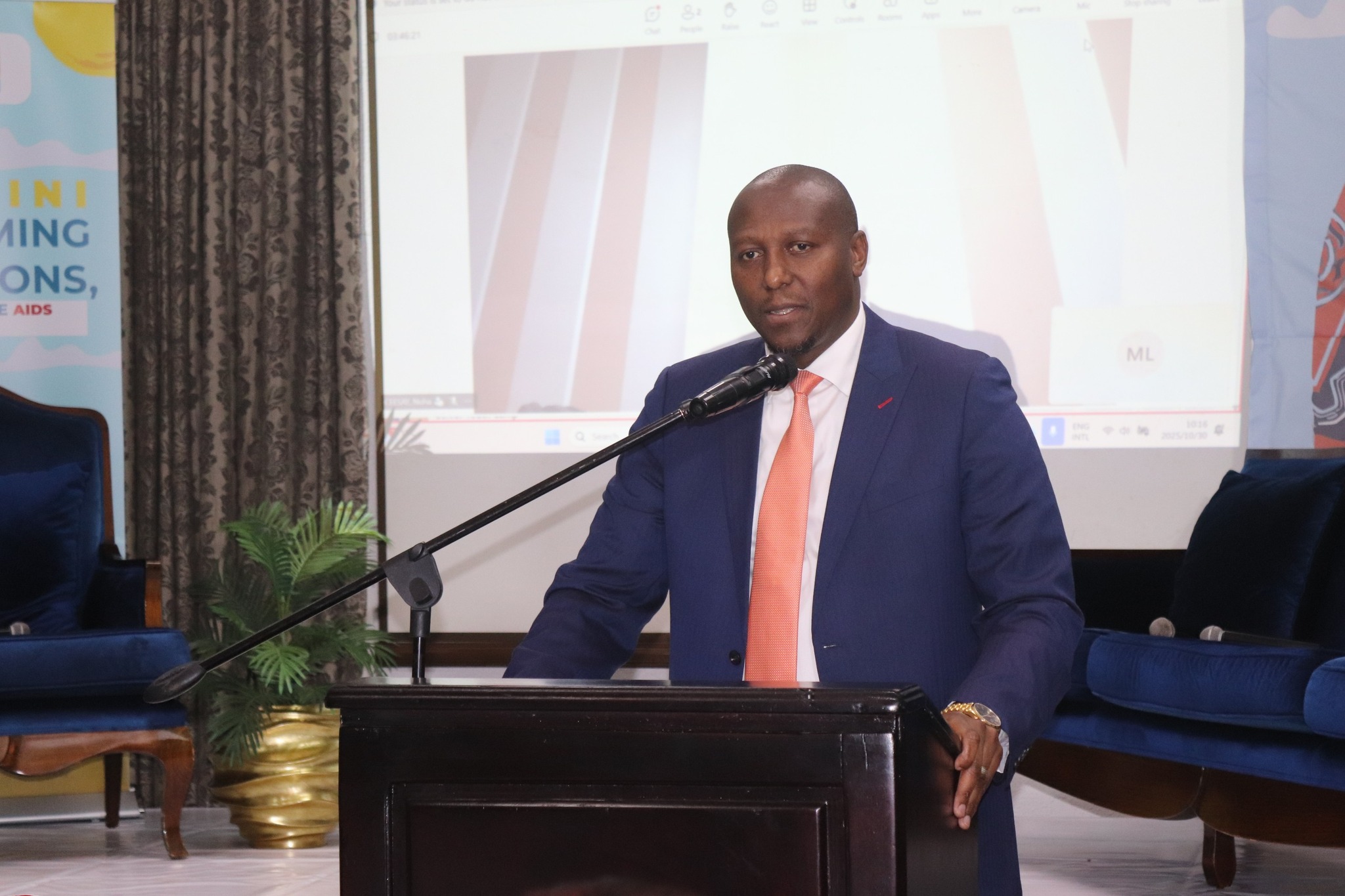
Mbabane – Prime Minister Russell Mmiso Dlamini has urged Emaswati to renew their commitment to ending HIV and AIDS, warning that despite significant progress, the epidemic remains a major public health threat with more than 4,000 new infections reported each year.
The Prime Minister was speaking during the launch of the World AIDS Day 2025 campaign, held under the theme “Overcoming Disruptions, Transforming the AIDS Response.” He said while Eswatini remains among the few countries to surpass the UNAIDS 95-95-95 targets, the national goal has always been to achieve zero new infections rather than simply meeting global benchmarks.
“Despite being one of the few countries to surpass the UNAIDS 95-95-95 target, we must confront the reality that more than 4,000 new HIV infections still occur annually. This is a call to action not to retreat, but to transform,” Dlamini stated.
He emphasised the need for unity, innovation, and courage in revitalising the national response, adding that progress achieved so far remains fragile and the mission to end HIV is far from complete.


“Until we eliminate HIV, we must be careful of what we celebrate. It is good to recognise progress, but let’s do so knowing that HIV is still a killer. Let us protect ourselves, our families, and our children. Think carefully before engaging in sexual activity,” he cautioned.
The Prime Minister highlighted the importance of integrating HIV care with other health priorities such as non-communicable diseases (NCDs), mental health, and reproductive health. He said a holistic approach was necessary to address the social and economic drivers of the epidemic, including poverty, gender-based violence, and stigma.
He further called for national ownership and domestic resource mobilisation, warning that global funding cuts posed a serious risk to sustaining gains made in the fight against HIV and AIDS.
“Transforming the AIDS response requires sustainability and inclusivity. With global funding cuts threatening progress, Eswatini must boldly move towards national ownership,” he said.


Dlamini expressed optimism that through collective effort, Eswatini could overcome current challenges and achieve its goal of ending AIDS by 2030.


Discussion about this post