



MBABANE- The Kingdom of Eswatini has moved closer to a pivotal regional leadership role following the Extraordinary Summit of the SADC Organ on Politics, Defence and Security Cooperation, which reaffirmed commitments to peace, democratic consolidation, and stability across Southern Africa.
The Summit, held on 22 June 2026, placed Eswatini prominently within the Southern African Development Community (SADC) Troika structure as the incoming Chair of the Organ, marking a significant moment in the country’s diplomatic and regional security responsibilities.
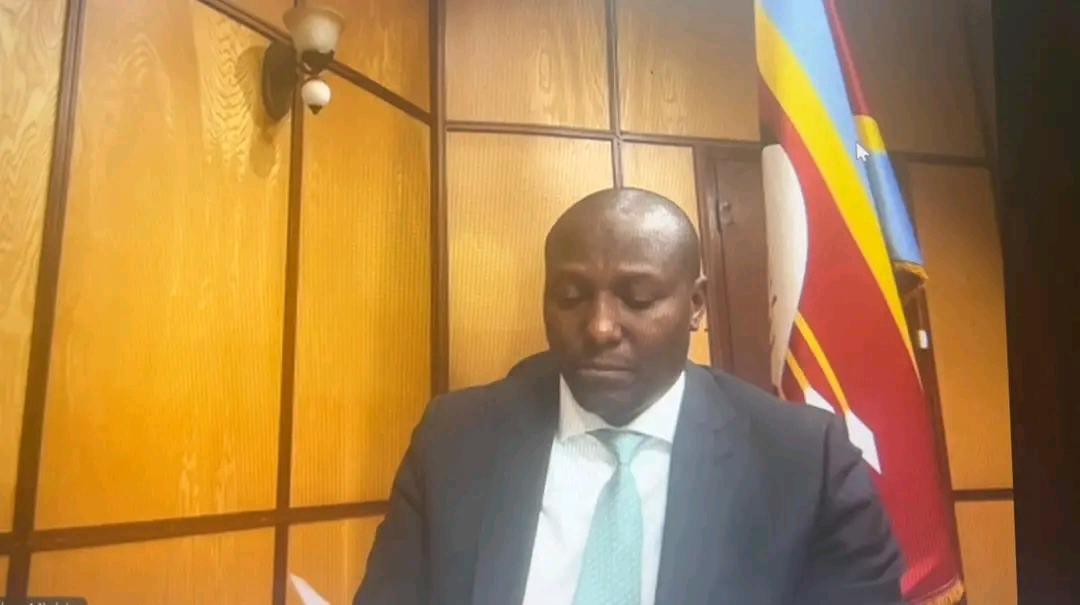
Eswatini’s position as incoming Chair was formally represented at the highest level by Prime Minister Russell M. Dlamini, who attended on behalf of His Majesty King Mswati III, the incoming Chairperson of the SADC Organ on Politics, Defence and Security Cooperation.
The Summit was chaired by Malawi’s Second Vice President, Right Honourable Enoch Kamzingeni Chihana, representing Malawi’s President and current Chair of the Organ, Professor Arthur Peter Mutharika.


Also in attendance were representatives from outgoing Chair Tanzania, with Vice President Ambassador Dr. Emmanuel Nchimbi representing President Samia Suluhu Hassan.
Eswatini’s participation as incoming Chair signals its impending responsibility in steering one of SADC’s most critical governance pillars—covering regional security cooperation, conflict prevention, mediation, and political stability.
The Extraordinary Summit brought together the Organ Troika Member States—Malawi, Eswatini, and Tanzania—under a renewed commitment to strengthen coordination on regional peace and security challenges.
The meeting reiterated SADC’s foundational mandate of safeguarding political stability and promoting integration across the region, particularly at a time when several member states are grappling with security and governance pressures.
The Troika structure, which rotates leadership between member states, is central to ensuring continuity in SADC’s political and security interventions.
A major focus of the Summit was progress in Madagascar, where SADC has maintained sustained diplomatic engagement since the Heads of State and Government meeting of 17 December 2025.
That earlier summit endorsed renewed deployments to Madagascar and strengthened the roles of key SADC structures, including the Secretariat, the Mediation Reference Group, and the Panel of Elders.
Since then, the Panel of Elders has conducted three high-level shuttle diplomacy missions to Madagascar: 26 January – 01 February 2026, 23 February – 06 March 2026 and 02 – 12 May 2026.
These missions were led by former Malawian President Joyce Banda, who serves as Head of the SADC Shuttle Diplomacy Missions.
The Summit commended the missions for helping to rebuild trust and encourage dialogue among Malagasy stakeholders, noting that the process has contributed to renewed optimism for a peaceful resolution.
The missions also engaged former Mozambican President Joaquim Chissano, SADC Envoy to Madagascar, particularly on the continued relevance of the 2011 Roadmap for Ending the Crisis in Madagascar, which remains a reference point for ongoing national reconciliation efforts.
The Summit noted that the Panel of Elders’ final report will be submitted to the Organ Chairperson and subsequently tabled before the SADC Summit of Heads of State and Government for further consideration.


Beyond Madagascar, the Summit expressed serious concern over developments in the eastern part of the Democratic Republic of the Congo (Democratic Republic of the Congo), where renewed security instability and a resurgence of Ebola have compounded humanitarian pressures.
Delegates reaffirmed solidarity with the Congolese population, stressing that the worsening situation poses broader risks to regional stability and integration.
The Summit also urged all parties involved in ongoing peace efforts to adhere strictly to the Doha and Washington Accords, particularly the ceasefire provisions, which remain central to de-escalation efforts.
It further emphasized that African-led peace processes must remain at the core of conflict resolution strategies, with international support playing a complementary role rather than replacing regional mechanisms.
The Summit underscored the importance of strengthening SADC’s institutional peace and security architecture, particularly the coordination between the Organ Troika, the Mediation Reference Group, and the Panel of Elders.
Delegates noted that sustained engagement in Madagascar reflects a broader shift toward proactive diplomacy, early intervention, and structured mediation within the region.
The proposed recommendations from the Extraordinary Summit will be formally presented to the SADC Summit of Heads of State and Government for final consideration, where strategic decisions on Madagascar and the DRC are expected to be further refined.


Discussion about this post