



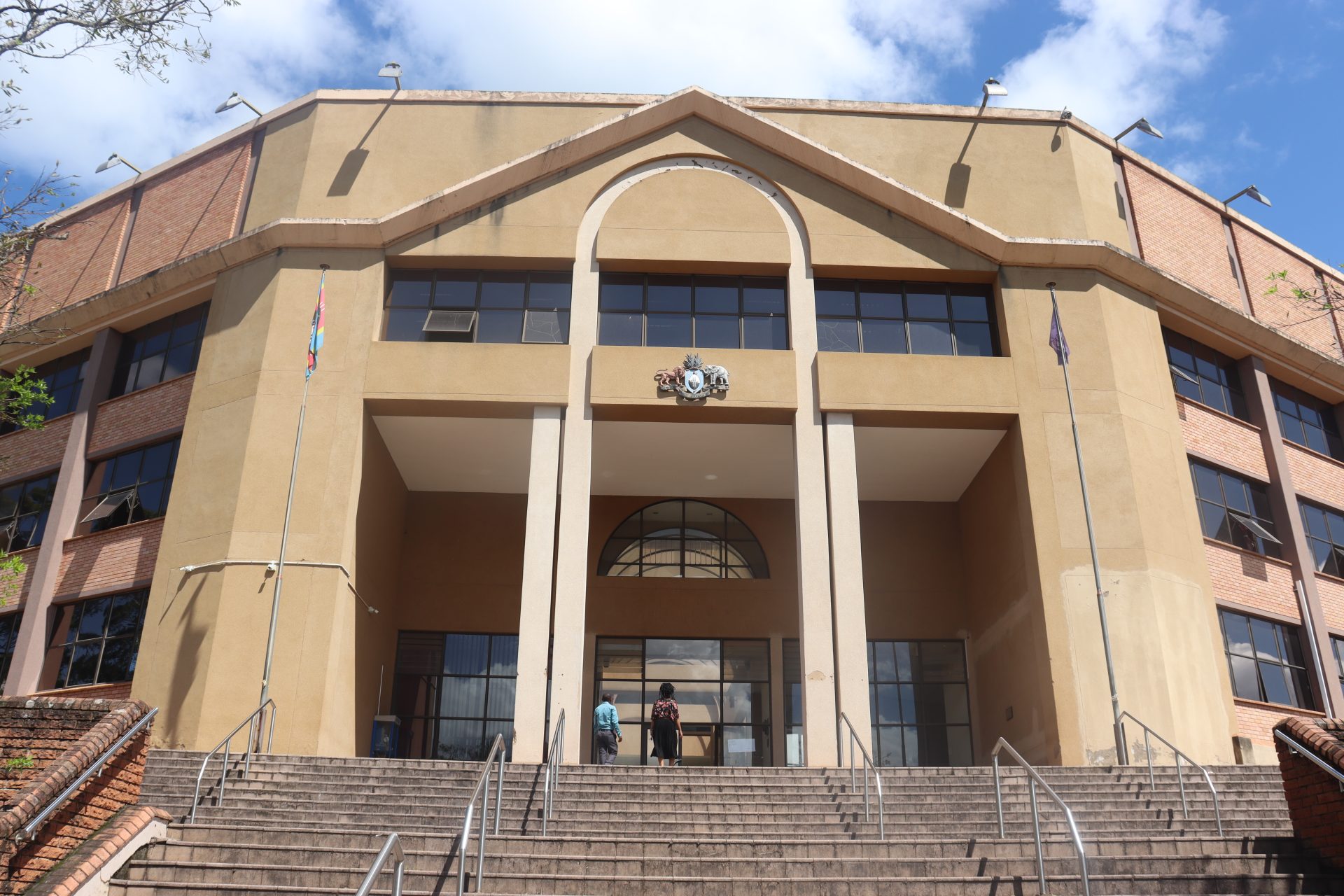
MBABANE- The High Court has dismissed an urgent application by the parents and sister of the late Nomphumelelo Tengetile Mavuso seeking to stop her burial until toxicology results are released and questions surrounding her death are resolved.
In a judgment delivered by Justice Bonginkosi Magagula, the court ruled that Nomphumelelo’s husband, Sikhumbuzo Bongani Matsebula, holds the primary legal right and duty to bury her, and found no legal basis to continue withholding her remains from burial.
The application had been brought by Ellias Mavuso, Selina Mavuso and Simangele Hlophe against Matsebula and Dups Funeral Home and Crematorium.
The family approached the court on an urgent basis on June 19, 2026, seeking an order preventing Dups Funeral Home from releasing the deceased’s body to Matsebula and restraining him from proceeding with funeral and burial arrangements.


They argued that the circumstances surrounding Nomphumelelo’s death remained unclear and that her body should remain in the mortuary until toxicological analysis arising from a post-mortem examination had been completed. They also wanted the burial delayed pending determination of what they described as competing marital claims involving the deceased.
According to court papers, Nomphumelelo was alive and apparently well on the morning of June 7, 2026, and had intended to visit her parental home together with Matsebula.
However, later that morning Matsebula allegedly informed Selina Mavuso by telephone that Nomphumelelo was unwell. Simangele Hlophe then went to Matsebula’s residence, where she found her sister lying motionless.
Emergency personnel and paramedics attended the scene and subsequently confirmed her death.
The applicants told the court they remained dissatisfied with the explanation provided regarding the circumstances of the death and maintained that several unanswered questions remained.
Following her death, the body was taken to Dups Funeral Home, where it remained while investigations continued.
A post-mortem examination was conducted on June 18 by police pathologist Dr Swapnika Enugala.
The family argued that because toxicological results were still outstanding and the death certificate reflected the cause of death as “unknown”, the body should not be released for burial.
They further contended that Matsebula’s status as husband was disputed because Nomphumelelo had allegedly entered into a customary marriage with a member of the Khoza family before contracting the civil marriage relied upon by Matsebula.
Matsebula opposed the application and argued that he and the deceased had entered into a valid civil rites marriage on September 1, 2023.
He maintained that as the surviving spouse he had the legal right to arrange and conduct the burial.
His legal team also argued that the alleged customary husband had not been joined to the proceedings despite being central to the applicants’ case.
In assessing the matter, Justice Magagula relied on established legal principles governing burial disputes and interim interdicts.
The judge referred to the Supreme Court decision in Thembi Mhlanga v Alfred Mhlanga and Four Others, which established that where a person dies intestate, the primary duty and right to bury the deceased vests in the surviving spouse.
He noted that burial rights are determined by legally recognised status rather than emotional attachment or family preference.
The court found that documentary evidence before it showed that Nomphumelelo and Matsebula had contracted a civil rites marriage in September 2023 and that no court proceedings had been instituted to set aside or invalidate that marriage.
“The civil rites marriage remains valid and legally operative,” the judge found.
Applying the Supreme Court precedent, he concluded that Matsebula presently enjoyed the primary legal right and duty to bury the deceased.
The court also rejected the argument that burial should await toxicological findings.
Justice Magagula noted that the post-mortem examination had already been completed and biological samples had been extracted and preserved for analysis.
No evidence had been presented by any medical expert indicating that burial of the body would interfere with the forensic process, he said.


The judge held that once the necessary samples had been secured, the evidentiary purpose of retaining the body had largely been fulfilled.
He further stated that if toxicology results later revealed evidence of criminal conduct, legal mechanisms existed to facilitate investigations and prosecutions, including the possibility of exhumation where necessary.
The court additionally found that serious disputes of fact existed regarding the alleged customary marriage and that such disputes could not properly be resolved through urgent motion proceedings.
Justice Magagula also upheld a point of non-joinder, finding that the alleged customary husband or representatives of the Khoza family should have been joined because they had a direct and substantial interest in the outcome of the case.
In the final analysis, the judge held that the applicants had failed to establish a prima facie right, failed to demonstrate irreparable harm, and failed to show that the balance of convenience favoured the relief sought.
He discharged an interim order that had temporarily prevented release of the body, dismissed the application and ordered the applicants to pay the costs of the proceedings jointly and severally.
The ruling cleared the way for Dups Funeral Home to release Nomphumelelo’s remains and for funeral arrangements to proceed under the direction of her surviving husband.

Discussion about this post