



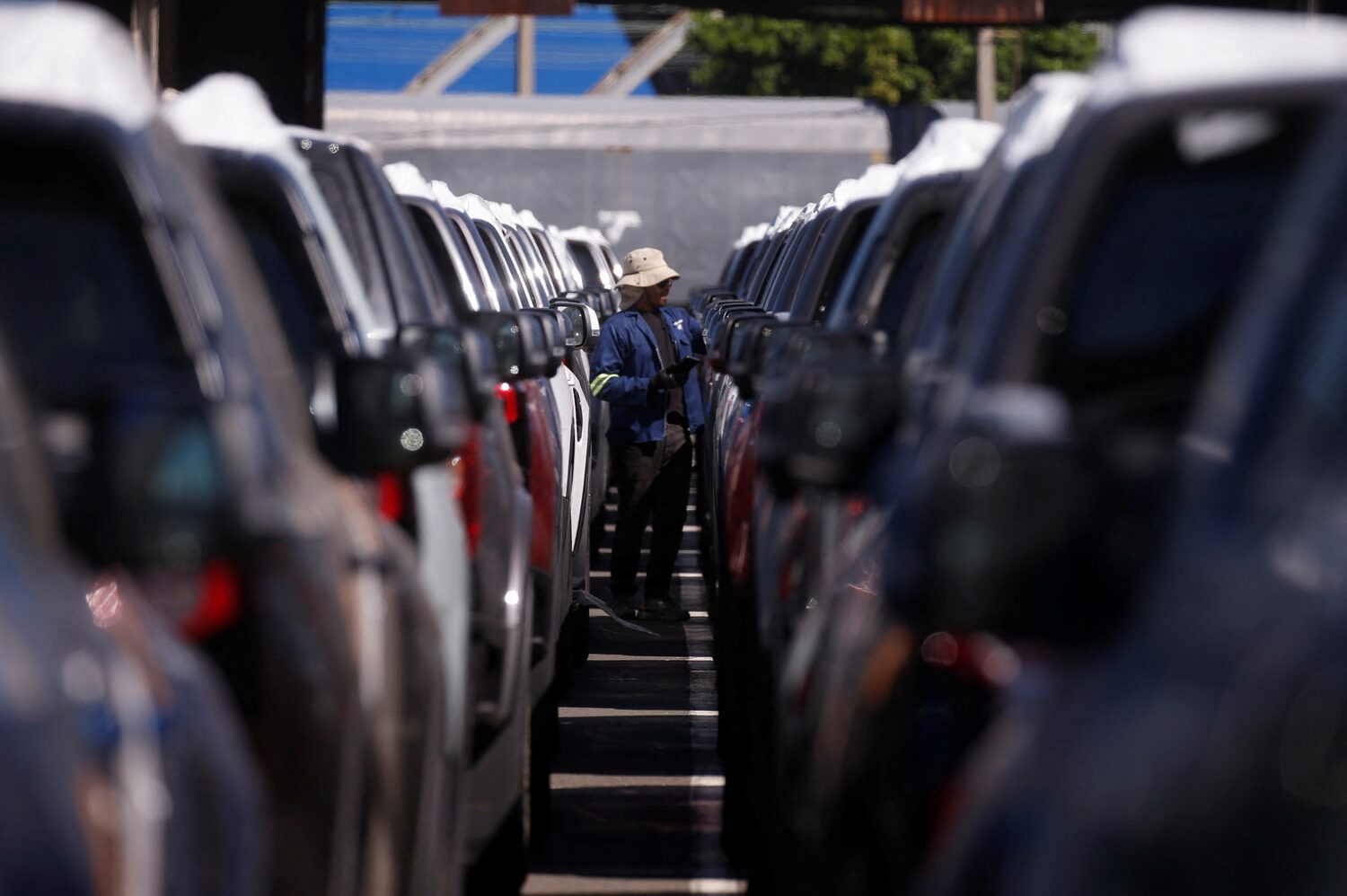
JOHANNESBURG – South African vehicle exports to the United States plummeted in the first five months of 2025, following new tariffs imposed by U.S. President Donald Trump that have disrupted the country’s automotive trade.
Data from the National Association of Automobile Manufacturers of South Africa (naamsa) shows a 73% decline in car exports to the U.S. during the first quarter compared to the same period last year. The situation worsened in April and May, with drops of 80% and 85%, respectively.
The steep decline follows a 25% import duty introduced by the Trump administration in April, which has since been extended to automotive parts. A further tariff of 30% on South African goods is scheduled to take effect on August 1.
Naamsa CEO Mikel Mabasa warned the impact stretches beyond trade, calling it a looming socio-economic crisis. “If we cannot retain export markets like the U.S., we risk turning vibrant industrial hubs into ghost towns,” he said.


Communities such as East London, where vehicle manufacturing forms the backbone of the local economy, are especially vulnerable. The auto industry accounted for 64% of South Africa’s trade under the African Growth and Opportunity Act (AGOA) in 2024, generating R28.6 billion in export revenue.


South Africa had earlier proposed a trade package that included a duty-free export quota of 40,000 vehicles and tariff-free access for local components used in U.S. production, but these efforts have so far failed to halt the tariffs.
Mabasa said carmakers such as Mercedes-Benz, which assemble in South Africa for U.S. export, now face rising costs, shrinking margins, and uncertainty over future investment decisions. The tariffs also raise concerns about job losses across the value chain, including parts suppliers and logistics firms.


Discussion about this post