



Ezulwini- The proposed Sebenta National Institute Bill, 2026, seeks to give the institution authority to regulate non-formal education providers in Eswatini, expanding its role beyond adult literacy and vocational training to include oversight of alternative education.
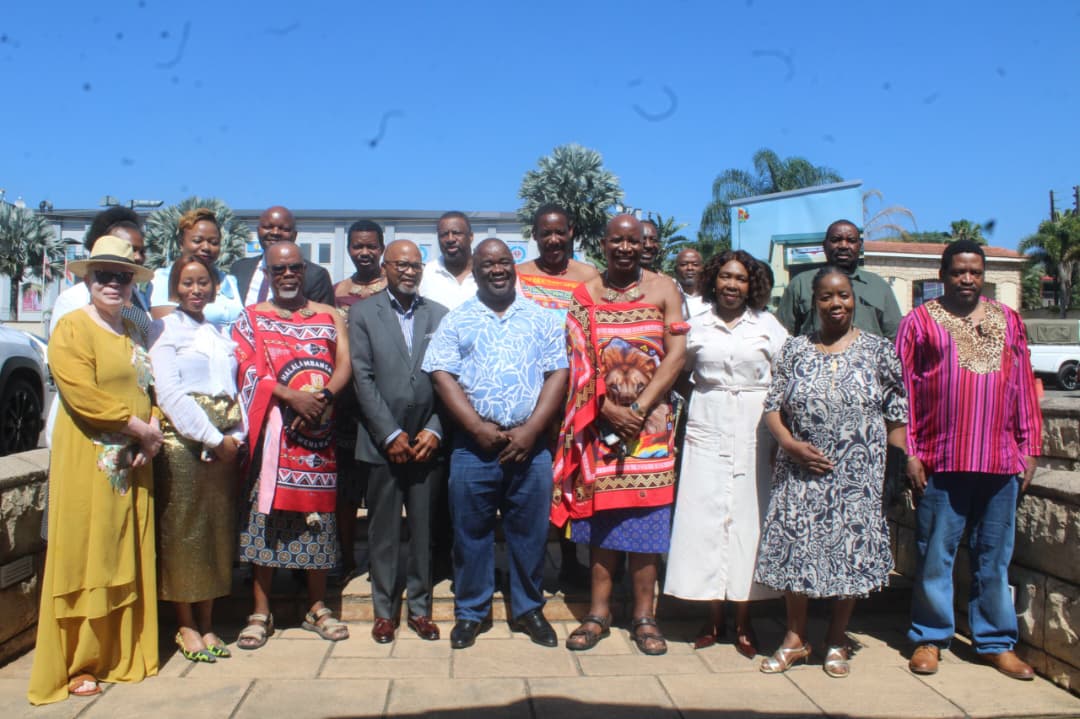
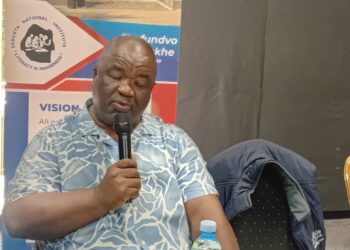
The proposed powers emerged during deliberations on the Bill at a workshop involving the Ministry of Education and Training and senators at Happy Valley Hotel in Ezulwini, where Education and Training Minister Owen Nxumalo outlined provisions of the legislation.
Under the proposed framework, Sebenta National Institute would have a regulatory role over non-formal education institutions, potentially changing how providers operating outside the conventional school system are overseen.
The Bill also seeks to establish Sebenta as a statutory body corporate, giving it legal personality to hold property, enter into contracts and manage its affairs within the applicable legal and policy framework.

The legislation comes against longstanding governance challenges at the institution, including concerns over immovable property registered in the names of members of its Board of Trustees, some of whom are deceased.
By establishing a Board of Directors with defined powers and responsibilities, the proposed law seeks to provide a clearer framework for institutional governance, financial management, auditing and accountability.


However, the deliberations also turned to the composition of the proposed board, particularly the inclusion of a King’s Liaison Officer and an official from the Attorney General’s office.
Some senators questioned the need for the two representatives, arguing that the board was primarily intended to carry out the institution’s operational work.
Nxumalo defended the proposed representation, maintaining that the inclusion of a King’s appointee was consistent with arrangements at other public institutions, including the Public Service Pensions Fund and the Eswatini Revenue Service.
He told senators to consider his submission as a contribution from a colleague rather than solely from his position as minister, adding that the timing of the King’s representative joining the board depended on the King’s decision to delegate an appointee.
One senator further suggested that the representative could be designated a ‘King’s liaison officer’, a title commonly used in reference to the King’s representatives on other institutional boards.
Beyond governance, the Bill seeks to strengthen the recognition of knowledge and competencies acquired outside formal schooling. It provides for the assessment and validation of such learning, potentially allowing learners to obtain certification and pursue further education or career advancement.
Sebenta currently provides basic literacy and numeracy, non-formal education and vocational skills training to out-of-school children, young people and adults across the country.
The proposed legislation is intended to strengthen the institution’s legal standing and clarify its responsibilities as it continues to serve learners who may not have followed conventional educational pathways.
The Bill remains under deliberation, with its proposed provisions and governance arrangements forming part of the legislative process.

Discussion about this post