



Lobamba-Senators have called on Government to find ways of easing the burden of rising public transport costs on both commuters and operators, questioning how passengers are expected to absorb another fare increase while salaries remain unchanged and transport providers grapple with increasing operating expenses.
The call came during debate in the Senate on the Maximum Bus and Taxi Fares (Amendment) Regulations, 2026, after the House of Assembly approved a 25% increase in short-distance fares and a 10% increase for long-distance journeys. Senators acknowledged the financial pressures facing transport operators but maintained that commuters should not be left to bear the burden alone.
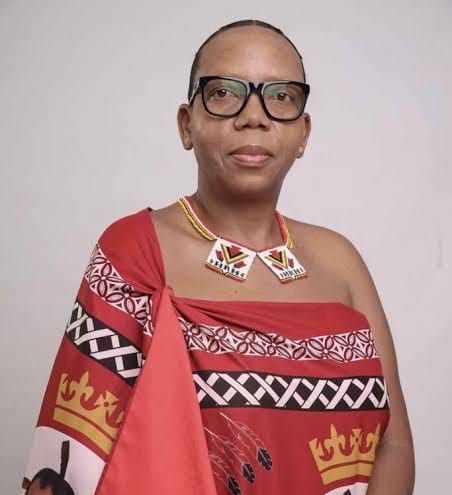
Senator Princess Ncengencenge questioned whether the latest increase would be followed by further adjustments as fuel prices continued to rise. She called on Government to develop a lasting solution that would protect commuters from repeated fare increases, saying the country needed to find common ground between transport operators and passengers.
Ncengencenge said it was heartbreaking that fuel costs continued to rise while salaries remained under pressure. She argued that Government needed to consider ways of assisting transport operators rather than repeatedly allowing fare increases that placed additional strain on emaSwati.


The senator cautioned that public transport was a sensitive sector that required careful handling, recalling the disruption that could occur when operators brought services to a standstill. She said Government needed to find a sustainable solution before the country faced another transport crisis.
“We all see the reasons, but there must be a common ground so that we do not find ourselves increasing the bus fares now and again,” she said.
She also referred to electricity tariff increases, noting that Government had intervened when higher charges were proposed. Ncengencenge questioned why a similar approach could not be considered for public transport, given that fare increases directly affected workers, learners and families who depended on buses and taxis every day.
Ncengencenge further raised concern about the frustration emaSwati faced amid mounting financial pressures, pointing to the country’s high suicide rate as a worrying issue.
Meanwhile, Senator Dr Stukie Motsa said senators had been informed that the Ministry of Public Works and Transport and public transport operators had agreed on the 25% increase.
She acknowledged that the adjustment would force emaSwati to dig deeper into their pockets but expressed hope that salaries would increase in the near future, recognising that salary adjustments and fare increases could not necessarily happen simultaneously.


Motsa said the previous bus fare increase was implemented in 2022, with the latest adjustment coming four years later. She highlighted the rising cost of fuel and the materials required to maintain public transport vehicles, saying operators had been dealing with increasing operating expenses.
According to Motsa, fuel prices had increased by 59%, while salaries had risen by 24%. The comparison highlighted the pressure on transport operators, but also raised questions about how ordinary workers could absorb higher transport costs when their earnings had not increased at the same pace.
Senator Cethuka Sigombeni supported Ncengencenge’s call for Government intervention, saying common ground needed to be found to ease the situation for both operators and consumers.
Sigombeni said rising costs affected everyone involved in the public transport sector, with operators struggling to maintain their vehicles and commuters having to find additional money for their daily journeys.
Senator Princess Ntfombiyenkhosi also supported the proposal, saying Government needed to consider measures to ease the financial burden on both sides. She noted that, had transport operators been allowed to have their way, the proposed increase could have reached 100%, illustrating the importance of negotiations in determining an adjustment that considered the interests of both operators and commuters.
Senator Lorraine Nxumalo questioned how much public transport employees earned, raising concerns about the wages of workers in the sector.
Nxumalo said Government needed to assist emaSwati, particularly those who travelled long distances, as higher fares could place additional pressure on already stretched household budgets.
Under the approved regulations, the maximum fare for the first eight kilometres increased from E10 to E12.50, representing a 25% increase. For distances between eight and 50 kilometres, the rate rose from E0.70 to E0.77 per kilometre, while journeys exceeding 50 kilometres increased from E0.66 to E0.726 per kilometre.
The National Road Transportation Council had initially proposed a 50% increase, citing rising fuel and operating costs, before the adjustment was negotiated down.
The debate highlighted the difficult balance between ensuring that public transport operators could cover their expenses and protecting commuters from rising living costs. Senators’ calls for Government action centred on finding a sustainable solution that would prevent repeated fare increases from becoming the default response to rising operating costs.
For commuters who depend on public transport to reach work, school and essential services, the concern remains how to meet the higher fares without corresponding improvements in their earnings.

Discussion about this post