



Taiwan is assessing the possibility of recruiting workers from Eswatini as part of a broader labour cooperation initiative tied to vocational training development.
According to Taipei Times this was disclosed by the Taiwanese Ministry of Foreign Affairs.
The discussions, which remain in a feasibility stage, could potentially open a pathway for eMaswati to access employment opportunities in Taiwan in future, while simultaneously strengthening Eswatini’s technical and vocational training systems.


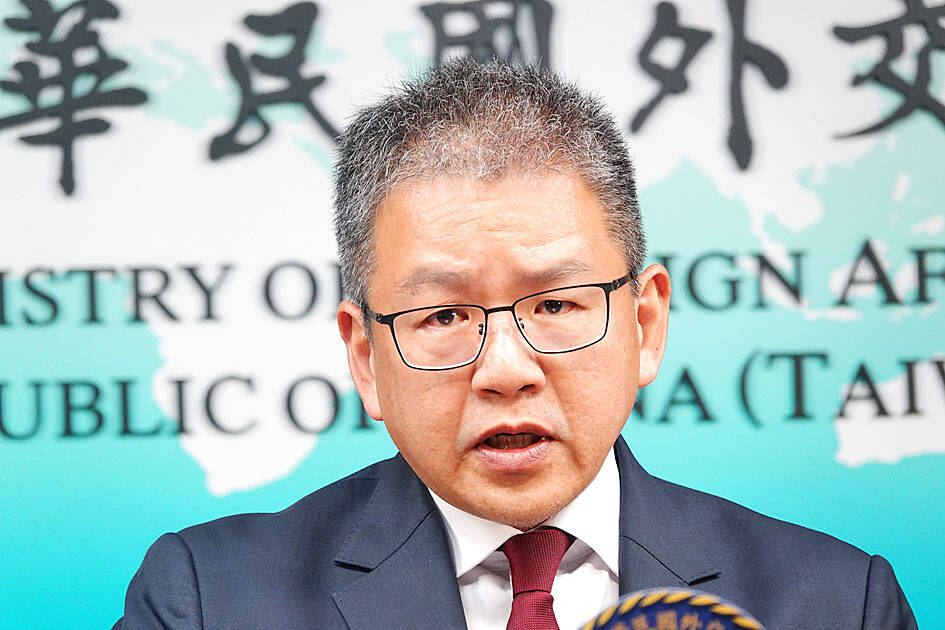
Speaking at a recent news conference, Department of West Asian and African Affairs Director-General Yen Chia-liang said Taiwan’s priority at this stage is not immediate labour recruitment, but rather upgrading Eswatini’s vocational training capacity to better prepare young people for skilled work.
“The ministry’s priority is helping Eswatini upgrade its vocational training centers,” Yen said, adding that the initiative is designed to improve employment competitiveness among Eswatini’s youth while building a pipeline of skilled professionals aligned with industrial needs.
The statement comes as a Workforce Development Agency delegation from Taiwan is currently in Eswatini on an assessment mission, which began on Sunday and is expected to continue until Saturday. The team is evaluating three vocational training institutions, focusing on key sectors such as manufacturing, tourism and hospitality, energy, and construction.
Yen said the findings from the visit would inform future cooperation, including possible expansion of training capacity, curriculum support, and technical exchange programmes between the two countries.
While speculation has grown around the possibility of Eswatini workers being recruited to Taiwan, officials in Taipei stressed that no final decision has been made.
“If there are plans to recruit workers from Eswatini, safeguarding national security, protecting public health and ensuring the employment rights of Taiwanese would be prerequisites,” Yen said, noting that any labour mobility arrangement would need to comply with Taiwan’s foreign labour laws and inter-agency approval processes.
He added that labour cooperation between the two countries “remains in the feasibility assessment stage,” suggesting that discussions are still in early technical and policy evaluation phases rather than implementation.
Eswatini remains Taiwan’s only diplomatic ally in Africa, a relationship that has increasingly included development cooperation, skills training programmes, and technical assistance initiatives.
Yen also confirmed that Taiwanese Foreign Minister Lin Chia-lung had previously visited Eswatini as a special envoy of the president in April last year and again this year, during which he held discussions with local officials on deepening bilateral cooperation.
A key component of the proposed cooperation is the strengthening of Eswatini’s vocational education infrastructure. Taiwan has indicated that it is assisting local authorities in improving training centres to better align with labour market needs.
According to Yen, graduates from upgraded institutions could eventually benefit from employment opportunities linked to a planned Taiwan Industrial Innovation Park in Eswatini, which is expected to host Taiwanese companies operating in the country.
“These graduates would receive priority hiring by Taiwanese companies operating in the soon-to-be-established Taiwan Industrial Innovation Park in Eswatini,” Yen said, adding that this would help boost employment, improve workforce expertise, and support industrial upgrading in Eswatini.


For Eswatini, the initiative is being positioned as part of a broader strategy to address youth unemployment and strengthen technical skills development, particularly in sectors that continue to face shortages of trained personnel.
Although the current discussions focus primarily on industrial and vocational skills, employment pathways in Taiwan for foreign nationals, including teaching, are already well established under existing labour frameworks.
Taiwan has long recruited foreign English teachers through public school programmes and private language institutions commonly known as buxibans. These positions typically require at least a bachelor’s degree, a clean criminal record, and in many cases a TEFL or TESOL certification.
In addition, Taiwan’s Ministry of Education has supported initiatives that place foreign teachers in public schools, particularly in English language instruction roles aimed at improving students’ global communication skills.


Discussion about this post