



Mbabane- The Business Federation of Eswatini (BUFE) has welcomed the launch of the MSMEs Renewable Energy Programme by the Ministry of Natural Resources, describing it as a timely intervention that will bring much-needed relief to small businesses, particularly women in rural sugarcane farming.
Launched under the Ministry of Natural Resources and Energy, the government of Eswatini plans to unlock a major E100 million renewable energy financing initiative targeting Micro, Small and Medium Enterprises (MSMEs), marking a significant step toward accelerating the country’s transition to sustainable energy.
The programme, unveiled at the UN House in Mbabane under the Catalyzer for Renewable Energy Transition in Eswatini (CREATE), is expected to unlock investment opportunities for local businesses while driving energy efficiency and strengthening industrial competitiveness
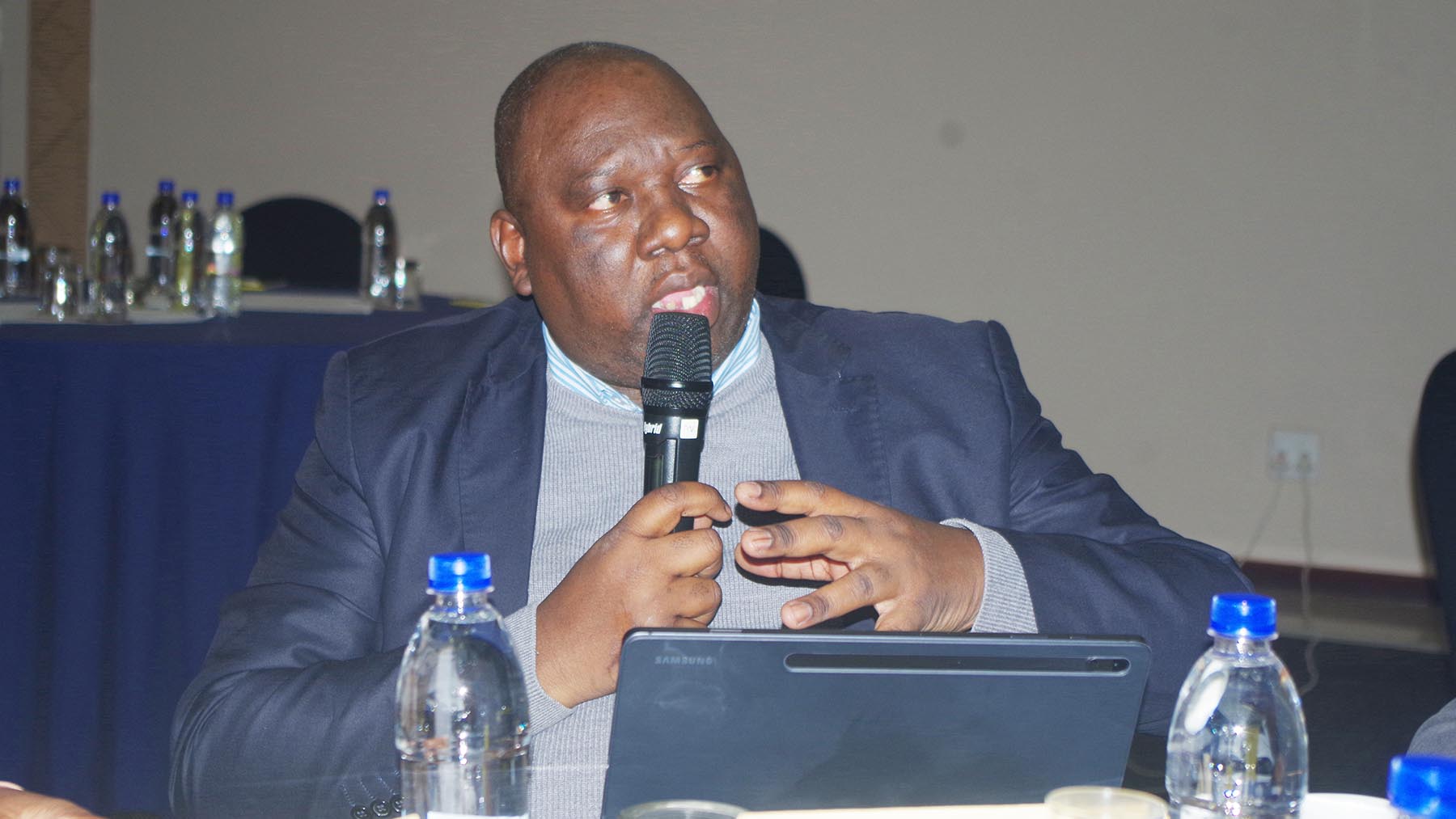
In an interview with this publication, BUFE Chief Operating Officer (COO), Mangaliso Maseko said the initiative comes as “a breath of fresh air” (MSMEs), many of which have been struggling with rising energy costs that continue to eat into already thin profit margins.


The organization highlighted that women-led businesses in the sugarcane sector stand to benefit significantly, especially through reduced energy expenses. Many of these businesses operate in rural areas where access to affordable and reliable energy remains a challenge.
Maseko noted that the shift towards renewable energy solutions such as solar power will not only lower operational costs but also improve productivity and sustainability for small enterprises.
“Women cane growers in rural communities will now have an opportunity to reduce their energy burden and reinvest savings into growing their businesses,” he noted.
The programme aligns with a broader global trend in which small and medium-sized enterprises are increasingly adopting renewable energy technologies to enhance resilience and competitiveness. These include solar photovoltaic systems, solar water heating, and energy-efficient solutions such as smart power management technologies.
According to the COO SMEs are being driven towards renewable energy by the need to shield themselves from volatile fuel prices, cut operational costs, and strengthen their market positioning through environmentally sustainable practices.
The organisation further pointed out that innovative financing models such as energy as a service are helping to overcome one of the biggest barriers to adopting high upfront costs. These models allow businesses to access energy solutions without heavy capital investment, instead paying for services over time.
“This approach enables MSMEs to transition from capital-intensive investments to more manageable operational expenses, making renewable energy more accessible,” he added.


Beyond cost savings, Maseko emphasised the strategic role MSMEs can play in the green transition, not only as consumers but also as service providers in the renewable energy value chain, including installation and maintenance of solar and other clean energy technologies.
Maseko expressed optimism that the programme will unlock new economic opportunities, improve business sustainability, and contribute to the country’s broader renewable energy goals.


Discussion about this post