



Mbabane – Non-governmental organisations have pointed at the government’s reluctance to declare gender-based violence (GBV) as a national disaster as missed opportunities to curb cases, following the Motshane tragedy where murder suspect Thulani Ginindza, who was wanted in connection with his wife’s (Princess ‘Nunu’ Johnson) death, was found dead in a suspected suicide.
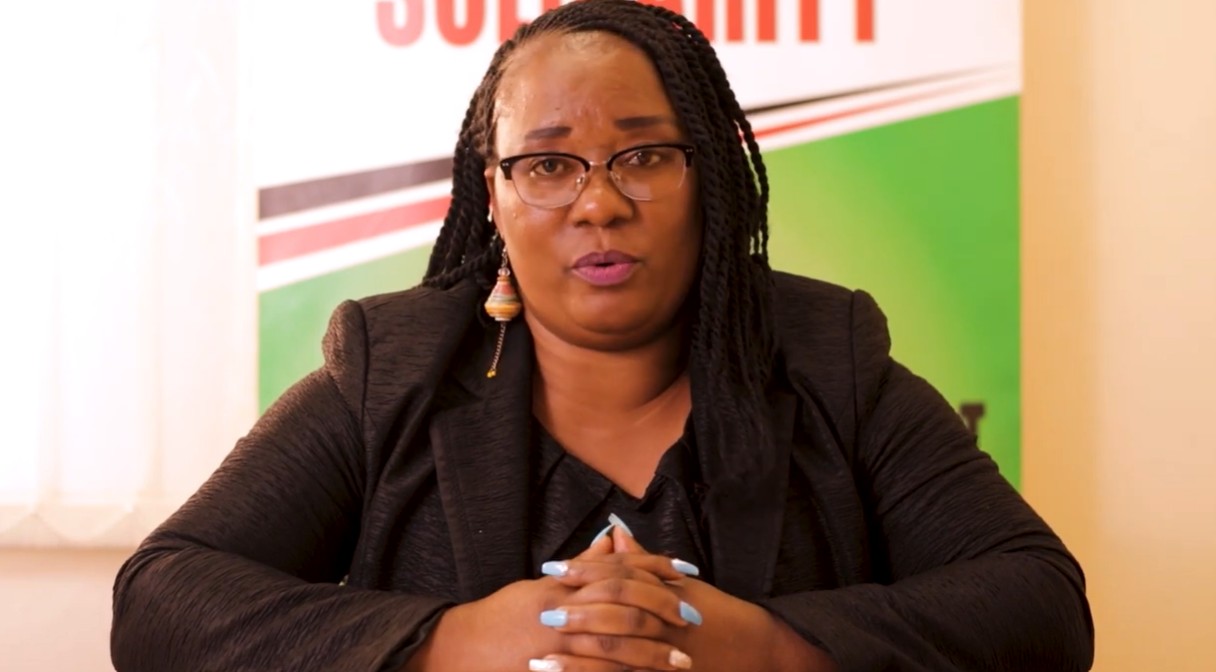
According to Colani Hlatjwako, the 1Billion Africa Regional Coordinator, the tragedy remains a tragic reminder of the unsheathed gender-based violence in Eswatini.
“1Billion Rising notes with concern the continuous and increasing cases of GBV, more especially as it leads to the increasing killing of women by their partners or spouses and all other forms of violence that we continue to see,” she said.
Hlatjwako said organisations continue to raise awareness, offering counselling, advocacy and legal advice as well as other assistance, but these are not enough efforts “if the government doesn’t declare GBV as a national crisis.”


“Why am I saying that? It’s because in some of the cases which lead to the loss of life, it doesn’t mean that the violence started on that particular day.
“Sometimes you can see violence that has been happening for some time. And currently as we speak in Eswatini, there are no safe houses where women can run to if they are being abused or violated,” Hlatjwako said.

1Billion Rising is not the only organisation that has responded to this news. Sinatsisa Lubombo Women and Girls Empowerment Organisation (SLWGE) also spoke up. According to SLWGE Director Thulisile Maziya, Johnson’s death, by allegedly being stabbed 16 times, was not an isolated incident. Previous fatalities demonstrate “a disturbing pattern of violence against women, girls, children, and people with disabilities.”
Labelling the incident an ‘outrage’, Maziya condemned the tragedy.


“Princess Johnson allegedly lost her life at the hands of her intimate partner. As not an isolated incident, such reflects systemic challenges in prevention, protection and accountability. No woman has to lose her life at the hands of someone who claims to love her. This is a gross violation of human rights and dignity,” Maziya said.
It should be a wake-up call that “Johnson’s assassin” decided to end his life instead of facing his crimes, Maziya said, adding that it was an act of urgency to engage in active responsibility to end violence against women, girls, children and persons with disabilities.
The South African National Disaster Management Centre (NDMC) designated GBV and femicide as “a disaster” in Eswatini in October after reviewing earlier reports and updated submissions from state and civil organisations following the G20 Women’s Shutdown demonstration organised by Women for Change. However, the Eswatini civil society community is still awaiting a response from the government.
According to Hlatjwako, the lack of adequate interventions is the reason why the majority of women remain in violent marriages.
“So, when we said that the government should declare GBV a national crisis, that will address the shortcomings because if it has already been declared, all of the response will strengthen protection, prevention, and prosecution,” she stated.
The Motshane incident was horrific, according to the Coordinating Assembly of Non-Governmental Organisations (CANGO) Executive Director Thembinkosi Dlamini.
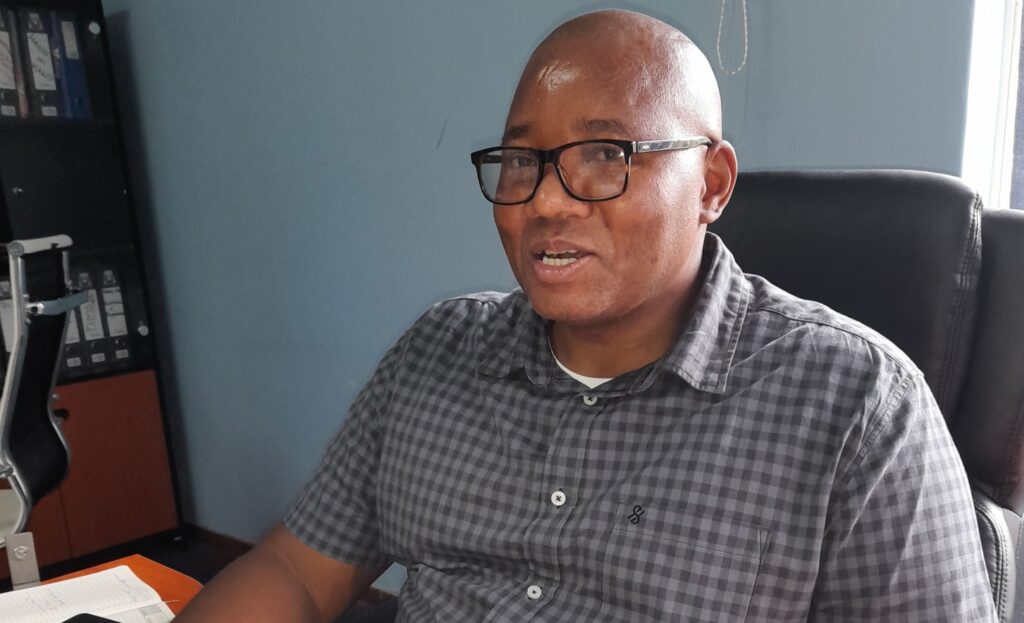
According to Dlamini, the government has not yet committed to finance the costed national GBV strategy that Eswatini launched after concerted efforts with input from civil society organisations and other stakeholders.

Discussion about this post