



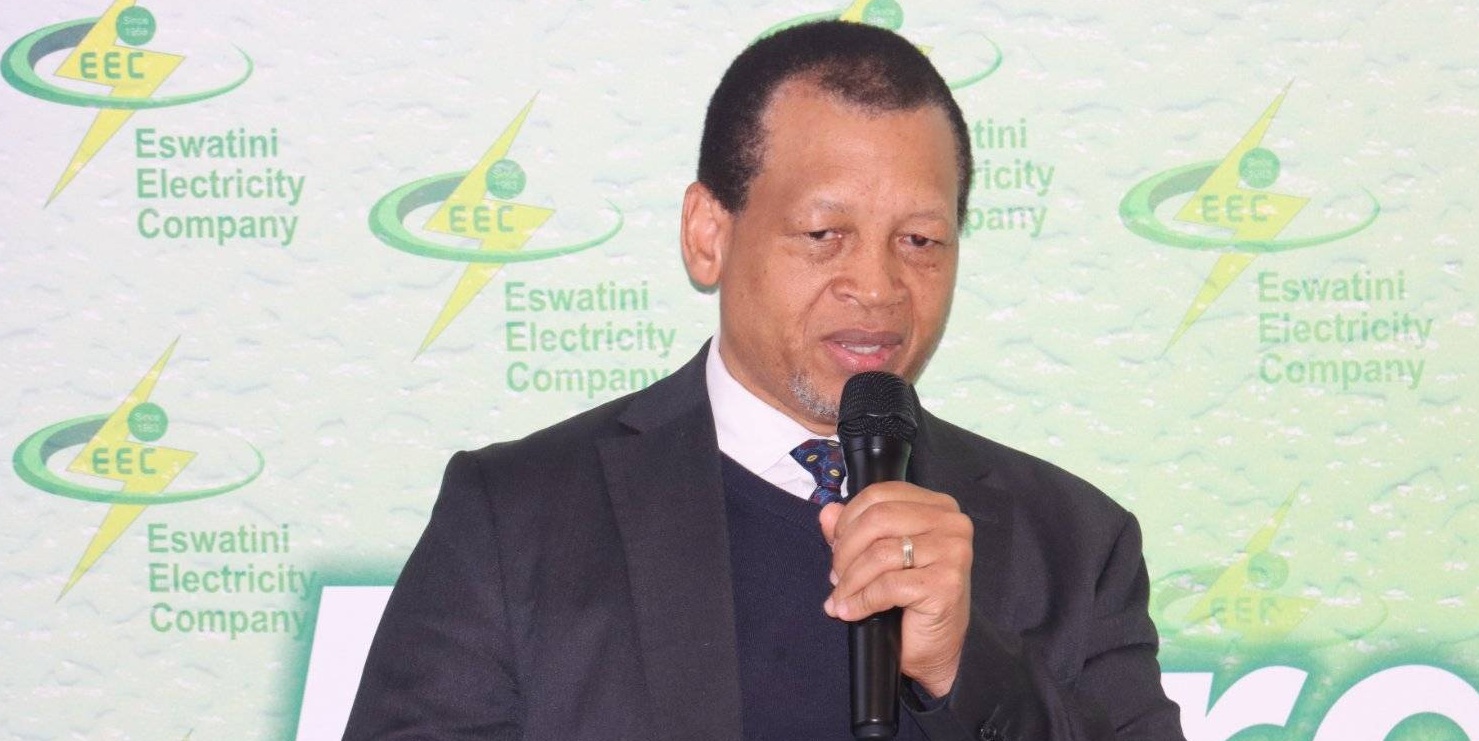
Mbabane — The Eswatini Electricity Company (EEC) Managing Director, Ernest Mkhonta, has outlined the key reasons behind the country’s load-shedding challenges, citing regional drought, reduced power generation from neighbouring countries, and high import costs.
Speaking during a media briefing, Mkhonta explained that the peak electricity demand in Eswatini is around 8 a.m., when usage is high and strain on the system is greatest. Although outages are least during this time, the company faces an “exorbitant cost tariff” because of the high demand. He noted that in such periods, “there is no single customer where we recovered,” meaning that most large users end up making a loss due to the high cost of power.
EEC buys a significant portion of its electricity from outside the country, but this has become increasingly expensive. According to Mkhonta, drought conditions have reduced water levels in key hydropower sources in the region. Zimbabwe and Zambia, both part of Eswatini’s supply chain, have seen power generation drop due to poor rainfall. Similarly, Mozambique’s Cahora Bassa hydroelectric scheme has been generating only about 50% of its capacity.
“These challenges in the Southern African region mean that opportunities for us to source cheaper electricity from the Southern African Power Pool Market are now limited,” Mkhonta said.



The EEC MD stressed that this situation is not good for the industry, as it affects production, business operations, and the overall economy. Load-shedding, he said, has become an unavoidable measure to balance demand with the limited supply available.




Discussion about this post