



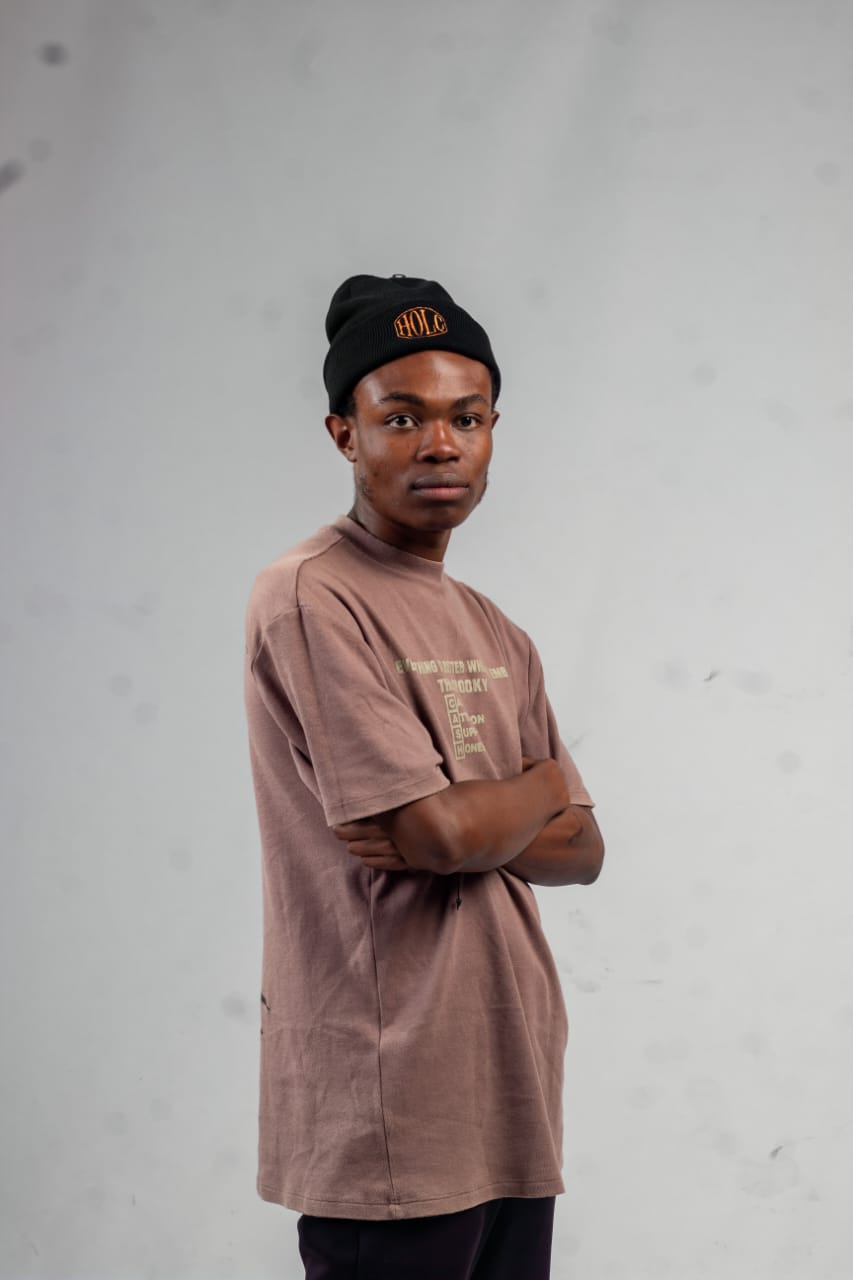
At just 21 years old, Thando Zulu, popularly known by his stage name Umageba, is carving his path in the deejaying space while pursuing a degree in Information Technology at Limkokwing University.
The name Umageba is derived from his clan surname, a choice that reflects pride in his roots and identity. For Thando, music is not just performance, it is heritage, culture, and self-expression.
For this rising deejay, there was no dramatic turning point that marked the shift from hobbyist to professional. Instead, it was a natural evolution, one that began in childhood and grew steadily with time.
“There wasn’t really a defining moment that made me realize deejaying was more than just a hobby,” he explains. “I just grew with it.”


From a young age, he immersed himself in music across all genres. Whether it was timeless classics or fresh sounds being introduced, his curiosity had no limits. When he gained access to a personal computer, he installed Virtual DJ and began experimenting, blending sounds, testing transitions, and exploring different musical eras.
For him, deejaying remains, at its core, a hobby, but not in the casual sense. He defines a hobby as something driven purely by passion, something one would do for a lifetime even without financial incentives.
“If I were to do it for the rest of my life without getting paid, I would,” he says. “That’s what makes it a hobby to me.”
Fortunately, Umageba’s sound resonates widely. He describes it as relatable, something music lovers can instantly connect with and vibe to. Because of this natural alignment with audiences, striking a balance between personal taste and crowd satisfaction comes easily.
“The masses already love it as much as I do,” he says, emphasizing that he rarely struggles to win over a room.
In today’s entertainment landscape, where a new wave of hungry and passionate creatives is emerging, he views the DJ culture as a shared artistic ecosystem rather than a battleground.
“Deejaying is not about separating yourself from other DJs,” he reflects. “It’s about what I can contribute to the culture. We’re different organs of the same artistic world.”
Rather than positioning himself above others, he sees collaboration and community as the heartbeat of the industry.
One of his defining growth moments came when he first performed before a large crowd. With high expectations placed on himself, he quickly learned that technical skill alone is not enough, connection is key.
Transitioning smoothly from one track to another became his secret weapon. Seamless mixing kept the crowd singing, dancing, and fully immersed in the experience.
“As a deejay, you naturally equip yourself with the skill to read the room,” he explains. Before even touching the decks, he studies the energy, knowing instinctively whether to maintain, sustain, or boost the atmosphere.
It is this intuition, paired with technical precision, that shapes his sets.
Balancing his studies in Information Technology with a growing deejaying career is no small task, yet Thando embraces both worlds. The discipline and technical knowledge from his academic journey complement his creative side, sharpening his understanding of digital platforms and music distribution.
However, the deejaying space is highly competitive and often dominated by artists backed by major labels with substantial marketing budgets and strong promoter networks.
“To get pushed, you need connections and financial backing,” he admits. “That’s hard when you’re still growing.”
Despite limited gigs and exposure, he refuses to be discouraged. Instead, he participates in open deck sessions, posts mixes on YouTube, and performs wherever opportunities arise, even when financial rewards are minimal.
“The bit of exposure goes a long way,” he says confidently, adding that the story he is building now will inspire others in the future.
In such a saturated industry, standing out is essential. For Umageba, branding goes far beyond social media presence. It encompasses stage presence, behavior, and how one carries himself within the culture.
“Branding is overlooked, but it’s a big part of being a successful deejay,” he notes.
If given the opportunity to curate a signature set, he would spotlight the new wave of percussion-driven sounds from upcoming artists, many of whom compete against heavily marketed mainstream acts.


His set would serve as a platform for those voices, proving that persistence can rival even the biggest promotional machines.
Looking ahead, Umageba’s ambition extends beyond personal recognition. He wants to be remembered as someone who introduced people to music, someone who opened doors rather than guarded them.
“I want to inspire and create a space for young upcoming artists to find exposure and support,” he says.
For him, artistry is not about competition. It is about elevation, about friendship, collaboration, and collective growth.
From experimenting on Virtual DJ to commanding growing audiences, Thando Zulu’s journey as Umageba reflects a simple yet powerful truth: when passion leads, purpose follows.


Discussion about this post