



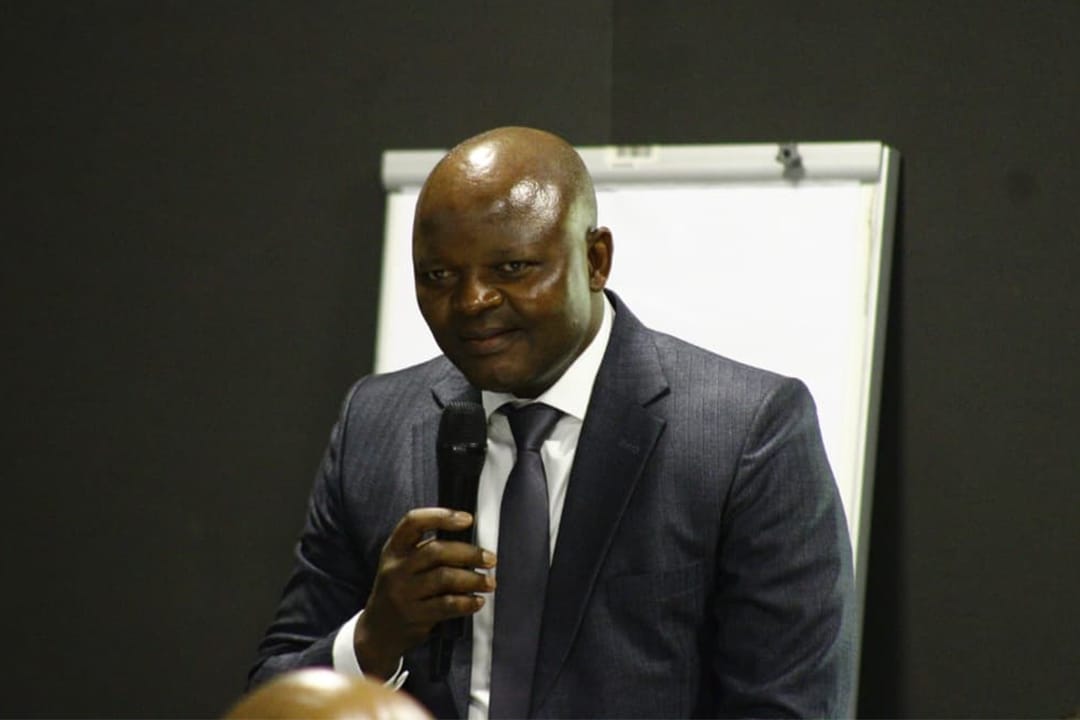
Ezulwini- Senator Tony Sibandze has called on African countries to develop governance systems rooted in their own histories and traditions, arguing that the continent should not continue relying on political models inherited from the West.
Sibandze made the call during the Leadership and National Transformation Seminar at Happy Valley Hotel on Monday, where he defended Eswatini’s Tinkhundla system as an African model of governance.
He argued that Tinkhundla system was the only democratic system invented by an African and said African countries should domesticate solutions to their governance challenges rather than simply adopt models developed elsewhere.
The seminar was attended by members of the Prime Minister’s Office Portfolio Committee, with Professor Delanyo Adadevoh serving as the guest speaker.


Sibandze’s remarks come amid continuing discussion over the form of governance best suited to African countries and the role of traditional institutions in modern states.
Under Eswatini’s Constitution, the country’s system of government is formally described as a “democratic, participatory, tinkhundla-based system,” with emphasis on decentralising state power from central government to tinkhundla areas and on individual merit as a basis for election or appointment to public office.
The Constitution provides that the country is divided into tinkhundla, which serve as constituencies for the election of members of the House of Assembly. It also provides for Bucopho, elected at inkhundla level, and regional structures intended to support administration and development.
Parliament describes Eswatini’s governance structure as a combination of parliamentary and traditional systems, which it says has shaped the country’s political processes, electoral laws and development policies.
The system differs from the multiparty electoral model used in many other African countries. Candidates for the House of Assembly contest elections as individuals through the Tinkhundla system rather than standing on party tickets.


Notably, political parties have been unable to contest elections under the country’s current electoral framework, a feature that has remained one of the central points of debate around Eswatini’s political system. The 2026 Bertelsmann Transformation Index report notes that candidates contest parliamentary elections as individuals and that political parties cannot formally compete in elections.
The country’s constitutional framework also provides for a bicameral Parliament comprising the Senate and House of Assembly. Parliament’s own background information states that the King appoints members of both chambers in addition to those elected through the Tinkhundla system. ([Parliament of Eswatini][2])
Sibandze’s call therefore places the debate beyond the question of whether Eswatini should retain its existing system. His argument was that African countries should have greater confidence in governance approaches developed from their own social and historical circumstances.
The Tinkhundla system has its roots in Eswatini’s traditional political structures and was formally incorporated into the country’s modern system of government. The 2005 Constitution subsequently entrenched it as the basis of political organisation and popular representation.


Discussion about this post