



Ezulwini – Twenty-eight communities across Eswatini will receive Local Adaptation Plans (LAPs) under a European Union-funded climate initiative valued at €890 000 (about E17.7 million), as the Government steps up efforts to help communities respond to the growing effects of climate change.
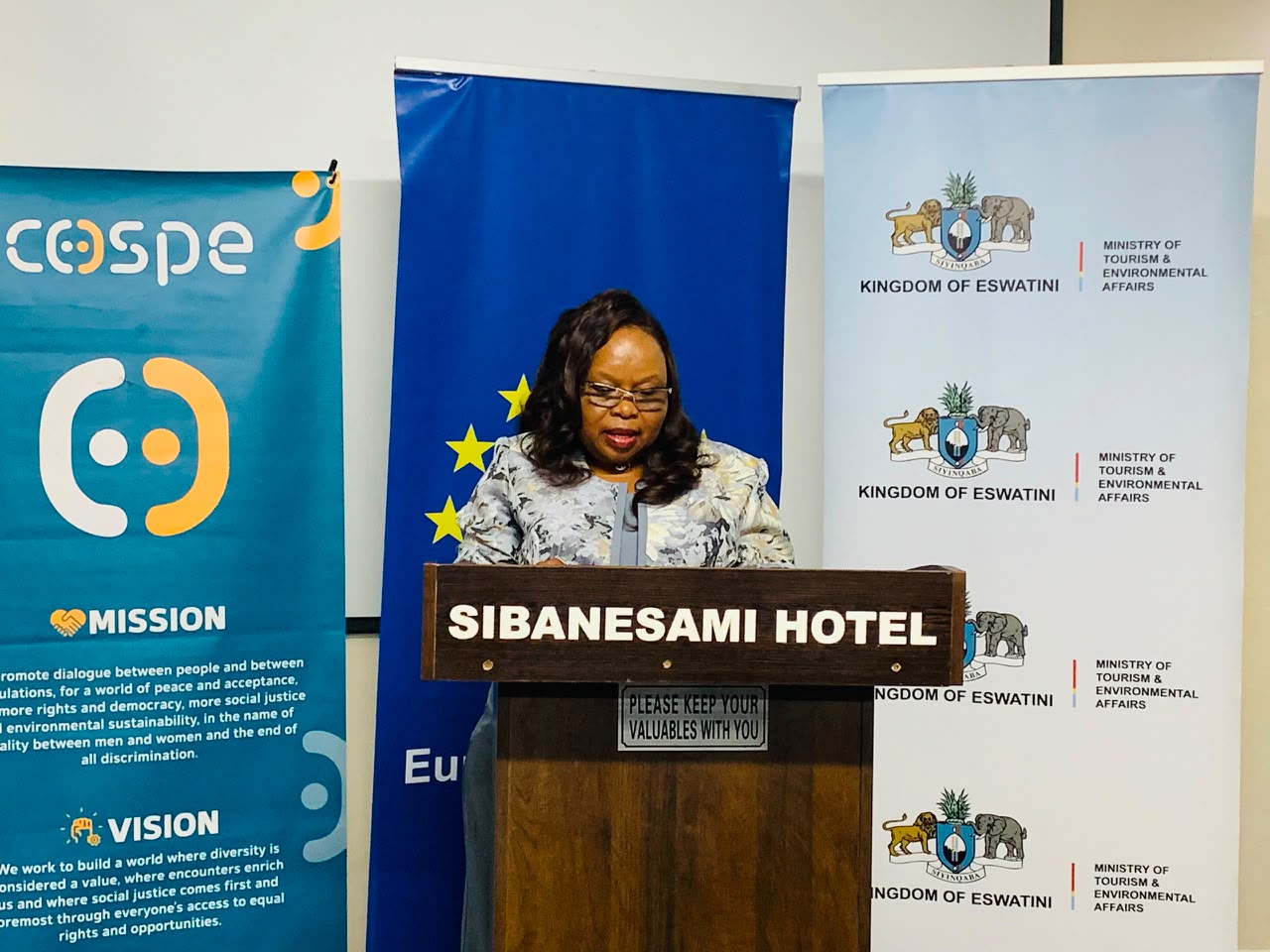
The initiative, known as the Participatory Adaptation for Climate Equity (PACE) Project, was officially launched yesterday by the Minister of Tourism and Environmental Affairs, Jane Mkhonta-Simelane, at Sibane Sami Hotel in Ezulwini.
Speaking during the launch, the minister said climate change was already affecting communities across the country through prolonged droughts, erratic rainfall, water shortages, ecosystem degradation and severe storms, placing pressure on agriculture, water security, infrastructure and livelihoods.
She said the project would support the development of 28 new Local Adaptation Plans across the country, build the capacity of 30 civil society organisations and build on the 15 Local Adaptation Plans already developed in the Lubombo Region.


“The National Adaptation Plan provides the country with a coordinated framework for responding to climate change. The PACE Project creates a link between this national framework and community priorities by allowing communities to identify their own climate risks and determine the most appropriate responses,” she said.


Mkhonta-Simelane said adaptation efforts needed to reflect the different realities faced by communities, noting that climate change affected livelihoods, ecosystems and natural resources differently from one area to another.
She said the Local Adaptation Plans would also be integrated into Chiefdom Development Plans, allowing climate priorities to be incorporated into broader community development programmes instead of being treated as separate planning processes.
The minister said information gathered through community vulnerability assessments and climate risk analyses would help inform national adaptation planning while ensuring local experiences shaped future interventions.
She also recognised the contribution of civil society organisations, particularly COSPE, which has spent the past decade working with communities in Lubombo to develop Local Adaptation Plans.
The minister said the experience gained through that work had helped shape the approach now being rolled out nationally through the PACE Project.
She also acknowledged PELUM, the Ministry of Tinkhundla Administration and Development and other stakeholders for their contribution to the initiative.
Mkhonta-Simelane expressed Government’s appreciation to the European Union for financing the project, saying the investment would help extend climate adaptation planning to more communities across the country while promoting inclusive participation.
She said the project would place particular emphasis on ensuring women, young people and vulnerable households participate in identifying climate challenges and developing solutions relevant to their communities.
The minister said the success of the project would depend on translating the plans into practical action through continued collaboration between Government, traditional leaders, civil society organisations, development partners, the private sector and communities.
She added that climate adaptation should become part of everyday development planning if communities were to become better prepared for future climate-related challenges.


Discussion about this post