



Mbabane– Traditional African Vegetables are emerging as one of Eswatini’s newest agribusiness opportunities, with stakeholders mobilizing farmers, financiers, seed suppliers and buyers to unlock a market estimated at more than E12.2 million annually.
The move comes as the Taiwan–Africa Vegetable Initiative (TAVI II-2026) rolls out a Multi-Stakeholder Platform (MSP) designed to transform indigenous vegetables from largely subsistence crops into commercially viable products capable of supplying formal markets.
The platform is focusing on pumpkin leaves, amaranth and okra, three crops that have been identified as having strong market demand but limited commercial production. Collectively, the crops represent annual demand exceeding 406,000 kilograms.
Pumpkin leaves account for the largest share of the opportunity, with demand estimated at 254,160 kilograms valued at approximately E7.6 million. Amaranth is valued at about E4 million annually, while the okra market is estimated at E570,000.

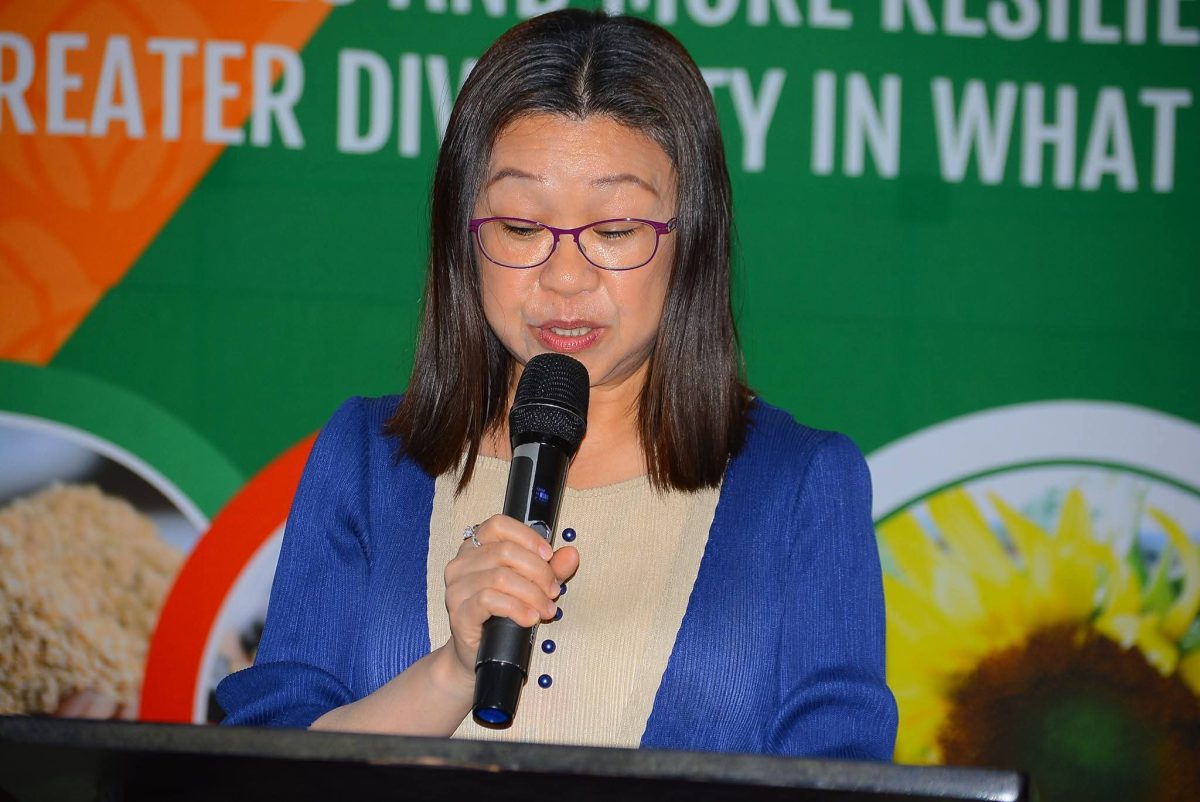
Speaking during the MSP regional rollout meeting in Nhlangano, World Vegetable Center Research Associate in Value Chain Development Mcebo Mnisi said the initiative seeks to build a coordinated value chain capable of supplying growing market demand.
“The platform is bringing together farmers, buyers, seed producers, financial institutions and government agencies to address constraints across the value chain and create a more sustainable market system,” he said.


A key objective is to improve access to quality seed, strengthen farmer organizations and establish stronger market linkages between producers and buyers.
The programme has set a target of enrolling 94 farmers and producing at least 10 tonnes of Traditional African Vegetables per month. It also aims to secure three supply agreements and establish five sales outlets as part of efforts to create reliable market channels.
Market access emerged as a central theme during the discussions. National Agricultural Marketing Board (NAMBoard) Marketing Extension Officer Mduduzi Mavimbela emphasized that future growth would depend on farmers aligning production with buyer requirements.
He said producers seeking entry into formal markets must prioritise quality standards, grading, food safety, packaging and consistency of supply.
The commercialisation strategy is expected to create opportunities beyond primary production. Seed multiplication, aggregation, packaging, transport, value addition and retail distribution were identified as areas with potential for business development and job creation.
The MSP’s implementation roadmap includes annual seed distribution targets of 500 kilograms for pumpkin leaves, 70 kilograms for amaranth and seven kilograms for okra. Regional hubs in Nhlangano, Siphofaneni, Ntfonjeni and Ludzeludze will coordinate farmer registration, market intelligence, supply agreements and performance monitoring.


Discussion about this post