



MBABANE – Eswatini’s economy has recorded growth of approximately three per cent, marking progress towards the country’s National Development Plan (NDP) target of five per cent.
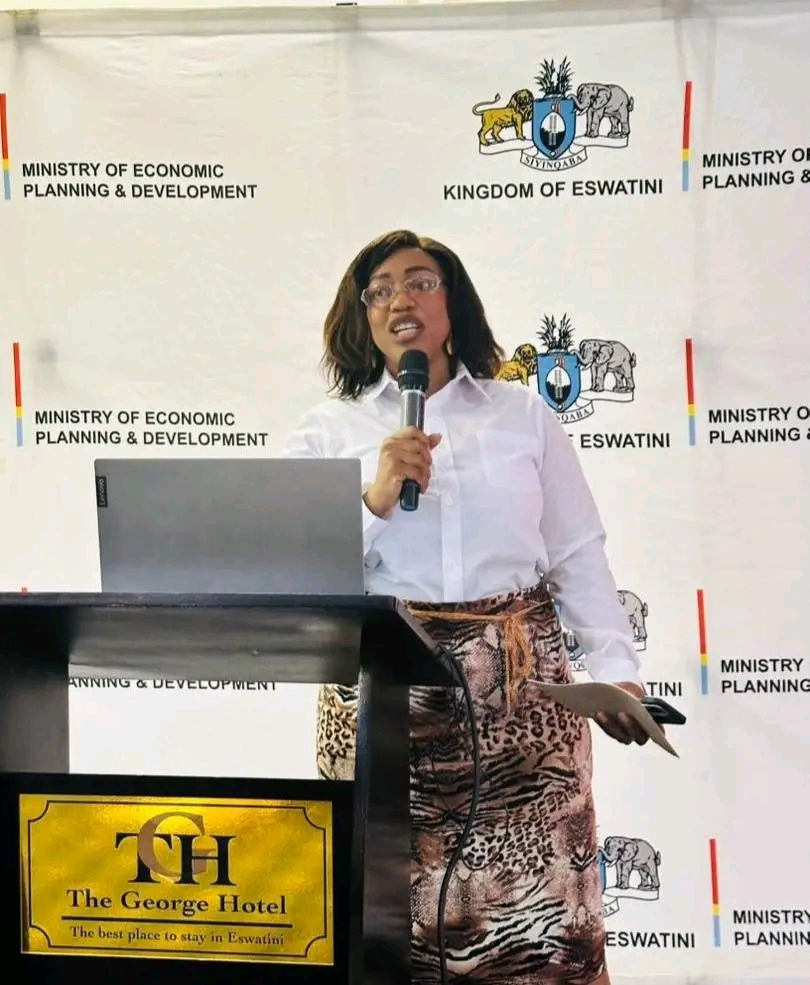
These developments were shared to stakeholders during a National Development Plan Progress Report Validation Workshop held at The George Hotel on Wednesday.
The workshop, convened by the Ministry of Economic Planning and Development through its Poverty Reduction, Monitoring and Evaluation Unit, brought together senior government officials, planners from various ministries, representatives of the private sector and development practitioners to review and validate progress made in implementing the National Development Plan for the period 2023/24 to 2027/28.
Speaking on behalf of the Chief Economist, Principal Economist Lungile Mndzebele said the validation exercise was an important part of strengthening accountability and ensuring that development interventions remained aligned with national priorities.


She said the National Development Plan serves as the country’s overarching development framework, guiding government programmes and development initiatives over a five-year period.
“The NDP is a guiding document that informs the country’s development trajectory. As a ministry, it is our responsibility to track the progress that the country is making and ensure that development interventions remain aligned to national priorities,” Mndzebele said.
The workshop reviewed findings contained in the NDP Progress Report, which assesses the country’s performance during the 2023/24 and 2024/25 financial years. The report seeks to measure progress towards national goals, evaluate the effectiveness of government programmes and policies, identify emerging trends and challenges, and strengthen evidence-based planning and decision-making.
Presenting the report’s objectives, Ministry consultant Nokwazi Mathabela said the exercise was intended to provide evidence that promotes accountability to Parliament, civil society organisations, development partners and citizens, while helping government identify areas requiring accelerated intervention.
The presentation highlighted progress achieved across various national outcomes under the development plan, while also drawing attention to challenges that continue to affect the country’s socio-economic development.
One of the key discussions during the workshop centred on the relationship between economic growth and employment creation.
Participant Sibusiso Lushaba noted that while the report showed economic growth had reached about three per cent under National Outcome One, representing progress towards the five per cent target, unemployment levels continued to increase under National Outcome Two.
Lushaba questioned why economic growth was not translating into improved employment outcomes and broader socio-economic benefits for citizens.
He asked what the trend revealed about the nature of economic growth being experienced in the country and challenged stakeholders to consider interventions that could make future growth more inclusive and capable of creating sustainable jobs for Emaswati.
The issue prompted extensive discussion among participants, who acknowledged that economic growth alone does not automatically result in employment creation.
Stakeholders emphasised the need to strengthen productive sectors of the economy, attract greater investment, promote industrialisation and support entrepreneurship in order to create more jobs.
Participants also highlighted the importance of skills development and ensuring that economic gains are translated into tangible improvements in the lives of citizens.
The workshop further underscored the need for coordinated action across government institutions and development partners to accelerate implementation of programmes aimed at achieving the targets outlined in the National Development Plan.


Officials noted that regular monitoring and evaluation remain critical to identifying gaps, measuring results and informing policy adjustments where necessary.
The validation exercise forms part of government’s broader efforts to ensure that implementation of the National Development Plan remains on track and responsive to emerging challenges.
The National Development Plan, which covers the period from 2023/24 to 2027/28, sets out Eswatini’s development priorities and targets across a range of sectors, including economic growth, employment, poverty reduction and social development.
Stakeholders at the workshop agreed that while the reported economic growth represents positive movement towards the national target, greater emphasis will be required on inclusive growth strategies that generate employment opportunities and improve living standards if the country is to fully realise the objectives of the plan.




Discussion about this post