



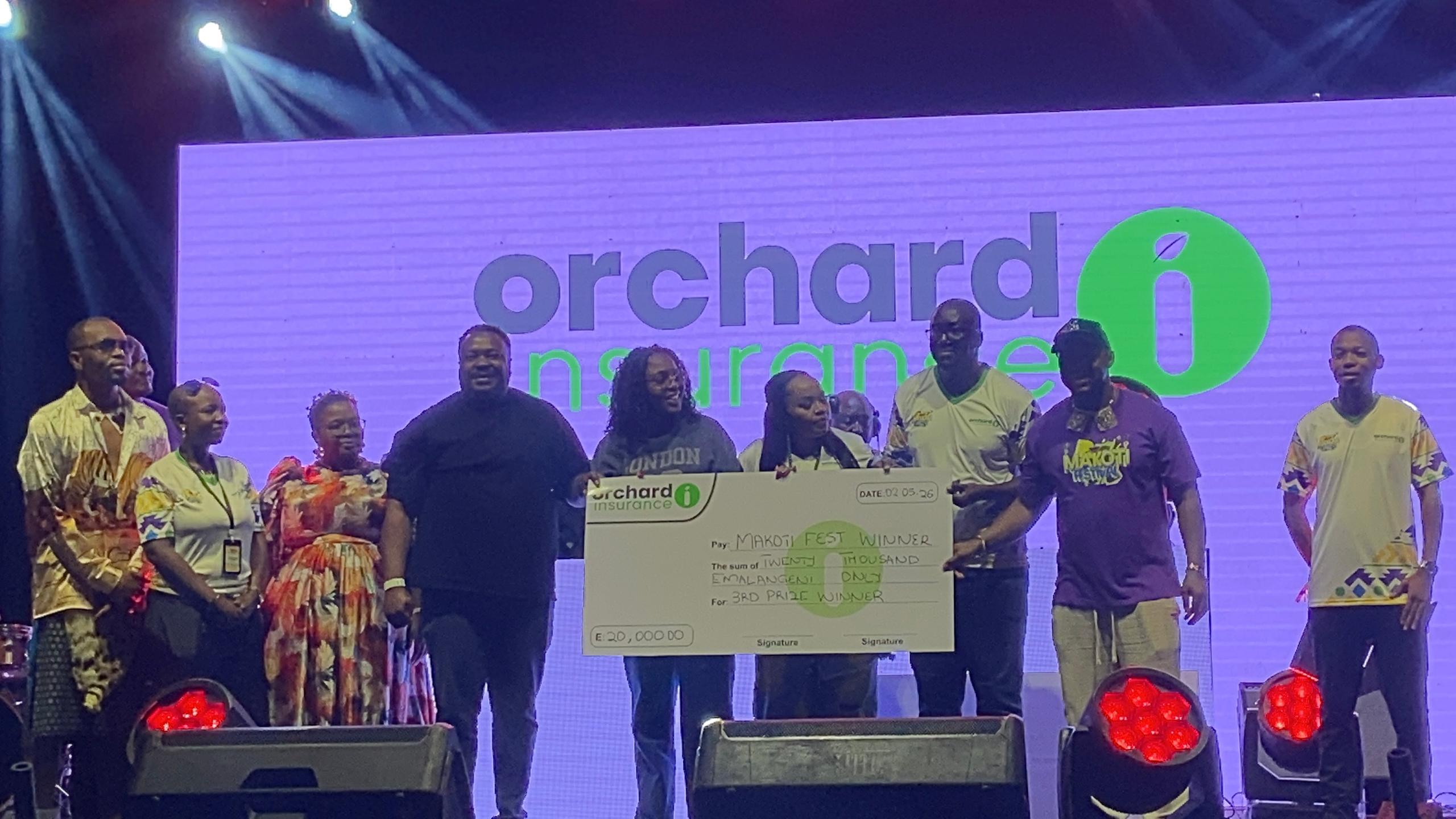
MALKERNS — If there was one place to be on 2 May 2026, it was the 5th edition of the Makoti Festival, and this year, it did not just show up, it showed off.
Held at the ever-scenic Malkerns Country Club, the festival levelled up its entertainment offering by introducing a second stage dedicated entirely to DJs, a move that instantly doubled the vibe and kept the energy flowing from afternoon until long after sunset.
From the moment gates opened, it was clear this was not just another cultural gathering. It was a full-blown cultural explosion. The grounds transformed into a runway of colour and pride as festival-goers arrived draped in vibrant fabrics, bold prints and intricate beadwork. Ululations pierced the air, languages intertwined in conversation and dance circles formed spontaneously, a living, breathing celebration of African identity.
While the main stage delivered live musical firepower, the newly introduced Dance Stage quickly became the heartbeat of the festival. It was a bold gamble that paid off, drawing in crowds hungry for high-energy beats and seamless transitions.


Thabo “Touch of Soul” Mnisi, AyaCity (Ayanda Motsa) and Bandora (Bandisi Dlamini) commanded the decks with confidence, proving that Eswatini’s DJ culture is not just growing, it is thriving. The second stage offered a fresh layer to the Makoti experience, giving space to both established and rising selectors to shine.
Over on the main stage, the performances were nothing short of electric. Nothando Hlophe’s spirit-filled vocals hushed the crowd into awe before lifting them into praise. Sancheziey had the audience singing along to his beloved hit Siyabonga Gogo, accompanied by traditional dancers who brought ancestral rhythm to the forefront.
Young Zesh injected youthful fire into the lineup, while As4Jerry P connected effortlessly with festival-goers. Sarnilo, MCO Jamrock, Lyrical Busts and True Classic rounded out a showcase that reflected the depth and diversity of Eswatini’s musical landscape.


This year’s edition drew visitors from across Southern Africa, including South Africa, Mozambique, Lesotho and Namibia, turning the festival into a regional cultural meeting point. What stood out was not just the fashion or the music, but the seamless blending of traditions. Different accents, different styles, different rhythms, yet one shared energy.
Festival Director Thembinkosi Mthethwa described the milestone moment with pride, noting that the second stage created room to amplify even more local talent while strengthening the festival’s cultural mission.
The timing added even greater significance, as the event aligned with national celebrations marking King Mswati III’s 40 years on the throne, weaving national pride into an already vibrant atmosphere.


Discussion about this post