



Mbabane – Eswatini has stepped up efforts to modernise its aviation regulatory framework as part of a wider drive to strengthen safety oversight and align national systems with international standards.
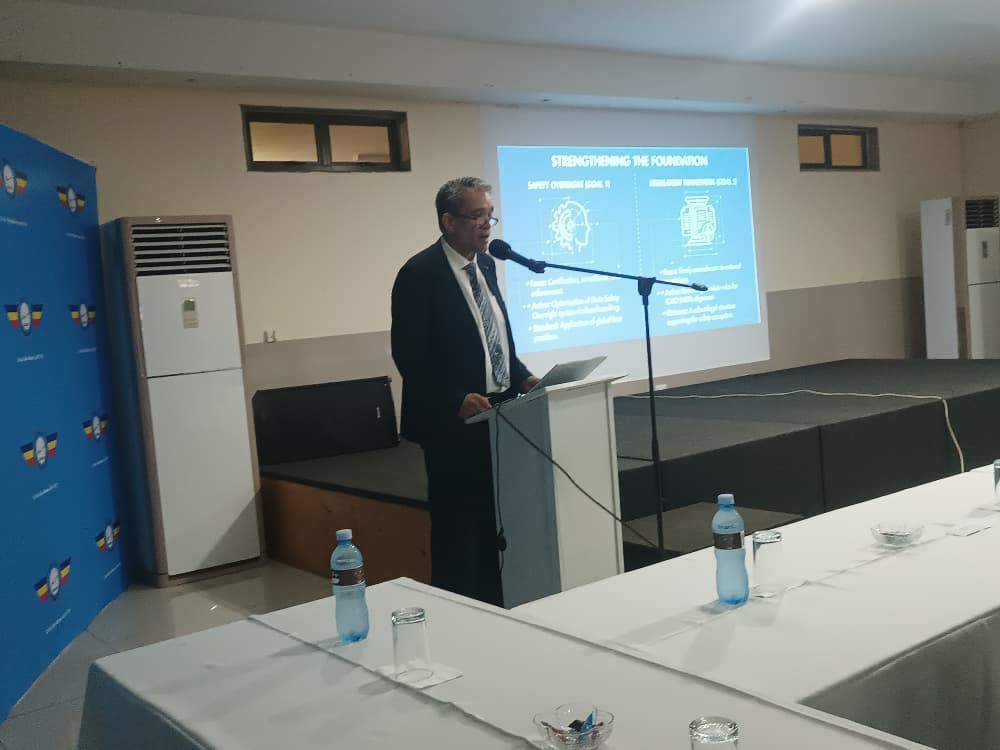
The move was discussed on Monday during a Flight Safety Standards Stakeholder Engagement hosted by the Eswatini Civil Aviation Authority at eSibayeni Lodge in Matsapha. The meeting brought together government departments, aviation operators, airport authorities and industry specialists to review safety performance, regulatory compliance and emerging operational risks within the country’s aviation sector.
ESWACAA Designate Director Lyndon Hermansson told stakeholders that several aviation regulations currently in use date back to 2008, even though they were implemented in 2011. He said the age of the regulations has made reform necessary in an industry that has changed significantly over the years.
Hermansson explained that the reform process gained momentum with the enactment of the Civil Aviation Act of 2022, which provided a basis for reviewing and updating subsidiary regulations. Although the Act is still relatively new, he said it is already undergoing review to identify gaps and areas that require strengthening, noting that the intention is to improve the existing law rather than replace it entirely.


The engagement focused on key areas including Safety Management Systems, compliance with International Civil Aviation Organisation standards, risk mitigation and capacity building. Facilitators at the forum stressed that aviation safety depends on collective responsibility and close collaboration between regulators, operators and service providers.


Hermansson said the outcomes of the stakeholder engagement are expected to guide future regulatory improvements, enhance safety programmes and strengthen confidence in Eswatini’s aviation system both regionally and internationally.


Discussion about this post