



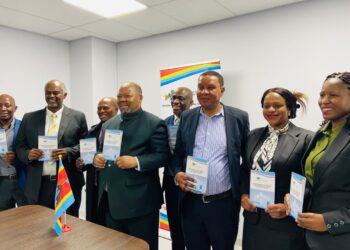
Mbabane — The Ministry of Health, in partnership with UNICEF and Health Promotion Eswatini, launched the National Childhood Lead Poisoning Awareness Campaign this morning, highlighting the growing public health risk posed by lead exposure among children.
Addressing the event, Dr. Shabangu warned that lead is a harmful heavy metal commonly found in the environment and can severely affect children’s brain development. He noted that even when symptoms are minimal or unnoticeable, lead exposure can quietly impair learning, school performance, behaviour and a child’s ability to follow instructions.
According to health officials, lead is often found in household paint, contaminated water, industrial waste, certain cosmetics and some traditional herbs. These sources, they said, continue to place children at risk, particularly in households and communities with limited awareness of the dangers.
UNICEF and Health Promotion Eswatini underscored the crucial role of the media in disseminating prevention messages. They committed to expanding innovative and creative communication strategies, including arts-based campaigns, to increase public understanding and keep children safe from lead exposure.


Officials stressed that protecting children from lead poisoning is essential to safeguarding their health, development and future opportunities. The campaign is expected to strengthen national efforts to identify risks, raise awareness and promote prevention measures across the country.





Discussion about this post