



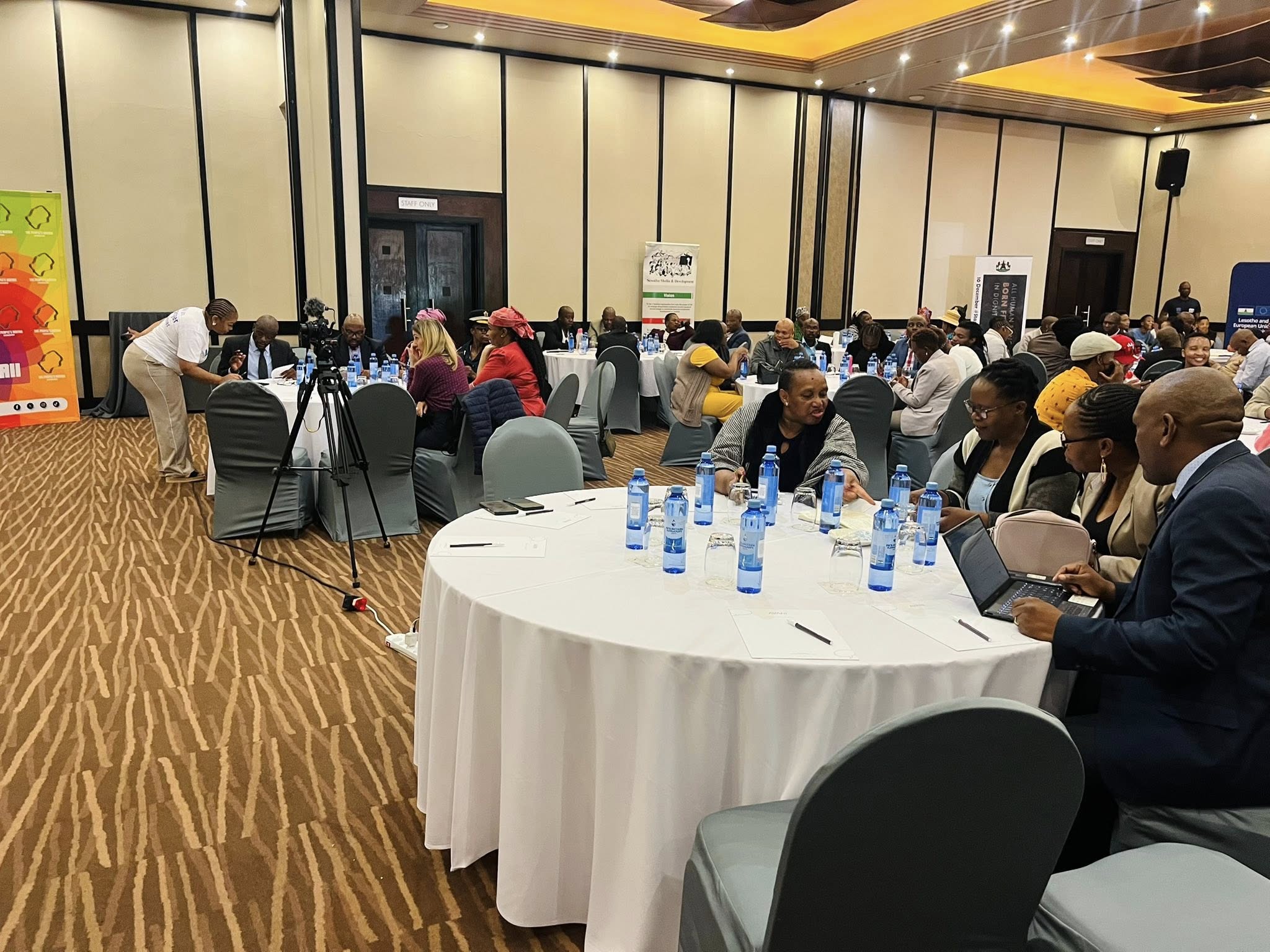
Maseru – A regional discussion on human rights took centre stage in Maseru yesterday as the Lesotho Ministry of Law and Justice convened a symposium to assess the country’s human rights situation and map out future reforms. The gathering drew government officials, civil society groups and development partners, an engagement that Eswatini observers say mirrors similar calls for improved protections in the region.
The meeting was opened by Mrs Makatleho Molotsi from the ministry’s Human Rights Unit, who explained that the session aimed to evaluate existing programmes, measure their impact on communities and explore new opportunities to strengthen rights protection for Basotho.
Deputy Attorney General Makhele Sekati addressed participants and stated that Lesotho remains committed to international and regional human rights treaties. He pointed to key developments, including the establishment of the National Human Rights Commission and ongoing work on legislative reforms intended to improve rights protections. He noted that the symposium provided space to assess progress, examine current challenges and identify the next steps in areas such as the fight against gender based violence.
Sekati also thanked development partners, particularly the European Union, for providing financial and technical support for the event.


The European Union’s representative, Ms Marcella Veneziani, used the platform to call for continued attention to gender based violence during the ongoing 16 Days of Activism campaign. She spoke about the need to support survivors, broaden public awareness and reinforce institutions such as the Human Rights Unit and the Lesotho Mounted Police.


Human rights defender and gender, sex and sexuality activist Tampose Mothopeng said the discussions built on momentum from the country’s recent LGBT Rights Symposium. He welcomed the inclusion of LGBT voices in national reform committees and referred to milestones such as protections contained in the 10th Amendment and recognition of the Sugi language at the United Nations.
Mothopeng added that participants recommended drafting a national policy against hate crimes, improving access to justice and ensuring fair access to health services for all communities.


Discussion about this post