



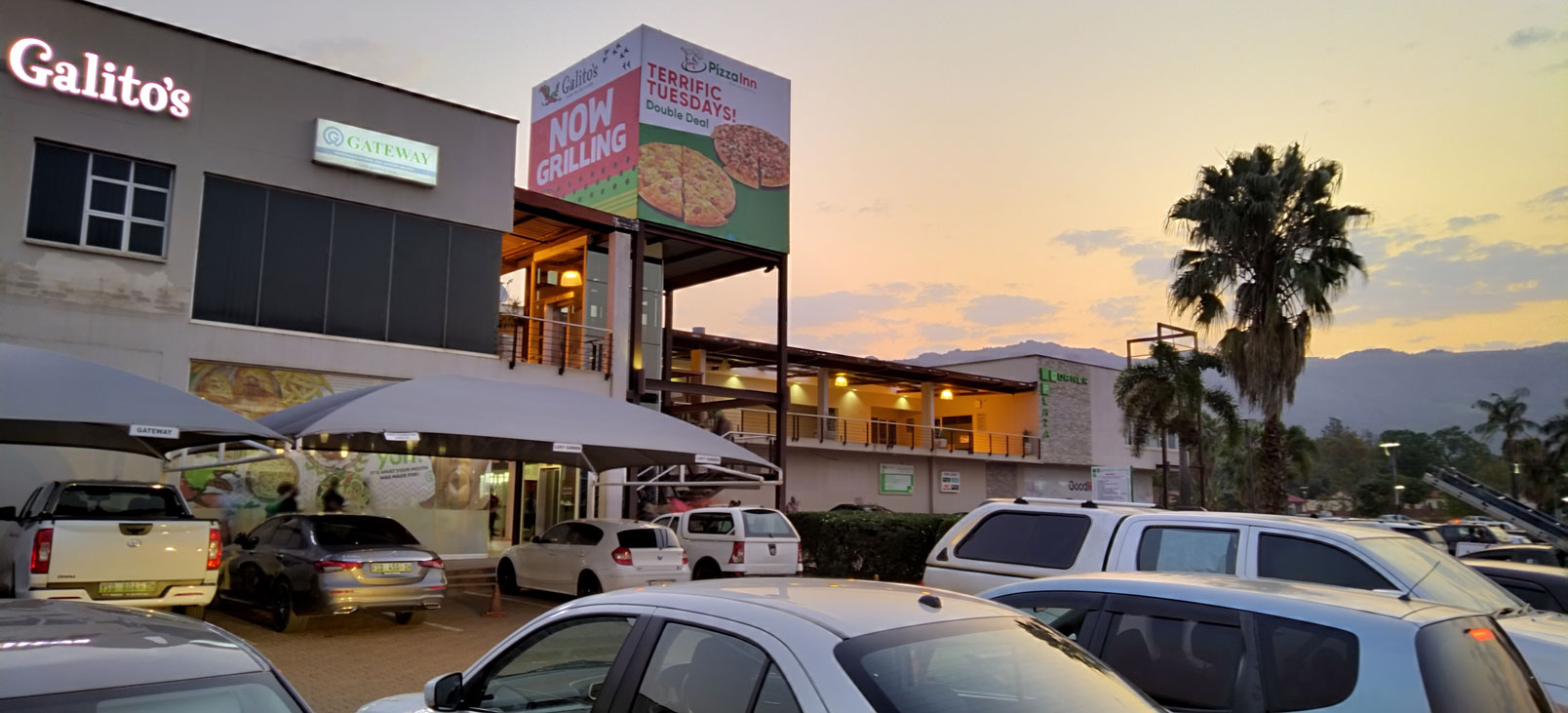
Mbabane – Employees of Galito’s, Pizza Inn and Chicken Inn are demanding E4.4 million in terminal benefits following the sale of the company’s shares to Simbisa Brands Eswatini Proprietary (Ltd).
The 46 workers claim their employment conditions were affected after the alleged acquisition of shares previously held by Colin Carlston and Peninsular Capital. They approached the Industrial Court seeking payment for overtime, leave days and public holidays dating from 2012 to July 2023.
However, Carlston insists the employees were fully aware of the share sale and that their benefits were never at risk. He argues that the sale was transparent, reported to all regulators including the Eswatini Competition Commission, and that the employees were informed that their positions and benefits would remain intact under the new ownership.
Carlston maintains that the workers were employed by Chowtown (Pty) Ltd which operates the three food outlets and not by him personally. He said employees’ terminal benefits remain tied to their employer, not to the outgoing or incoming shareholders.


He told the court that he disposed of his shares to preserve the workers’ continued employment under the same terms and that all processes were handled by professionals to ensure fairness and compliance with the law. Carlston added that the sale did not terminate any employment contracts and that no employee was dismissed as a result of the transaction.


The employees, however, argue that they were not properly consulted and that the sale of shares directly affected their employment conditions. They further insist that unresolved disputes previously reported to CMAC and issues around late reporting of overtime and benefits remain outstanding.
Carlston disputes this, stating that the claims are time-barred under the Industrial Relations Act since many date back to 2012. He also contests the validity of certificates issued by CMAC, arguing they were based on incorrect information.
He denies any wrongdoing and maintains he should not have been cited in the court papers, arguing that the workers’ employer Chow Town remains in existence and is responsible for any employment-related disputes.
Carlston concluded that Section 33 of the Employment Act does not apply because the transaction involved a sale of shares, not a sale of a business, meaning no obligation for terminal benefits arose.




Discussion about this post