



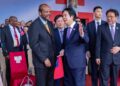
Johannesburg – United Kingdom Prime Minister Sir Keir Starmer arrived in Johannesburg on Friday for the annual G20 summit, which has drawn leaders from the world’s major economies to discuss global security, trade and development. His visit comes as the United States stays away from the gathering following former president Donald Trump’s decision not to attend.
Starmer’s trip has attracted attention back home, where critics have often complained about the frequency of his foreign travel. Downing Street maintains that his engagements abroad serve to advance business interests and strengthen partnerships that benefit the United Kingdom.
One of the central issues expected to dominate the summit is the ongoing war between Russia and Ukraine. Starmer, along with French President Emmanuel Macron and German Chancellor Friedrich Merz, is scheduled to meet Ukrainian President Volodymyr Zelensky later today. The meeting follows Zelensky’s recent remarks that he is willing to consider a United States vision for ending the war, despite reports that leaked proposals echo several demands made by Moscow.
Ahead of the summit’s official opening, Starmer will tour a Johannesburg rail depot where trains manufactured in Derby are operating. He is expected to announce a new agreement in which the United Kingdom will provide strategic advice and consultancy to South Africa’s rail network through Crossrail International, a government owned entity. A similar arrangement has recently been concluded with Vietnam.


Downing Street views Africa as a key region for future investment, noting the continent’s rapidly growing youth population and rising global demographic share. Starmer told reporters on his flight that international cooperation remains essential for improving household economic prospects in the United Kingdom, particularly through securing investment and creating stable jobs.
Trump’s absence from the summit follows a social media post in which he repeated allegations that white South Africans are being targeted in the country. His administration has previously granted refugee priority to white South Africans. President Cyril Ramaphosa dismissed the boycott, saying it was a loss for the United States and insisting that no political organisation in the country supports claims of genocide against the white community.


Discussion about this post