



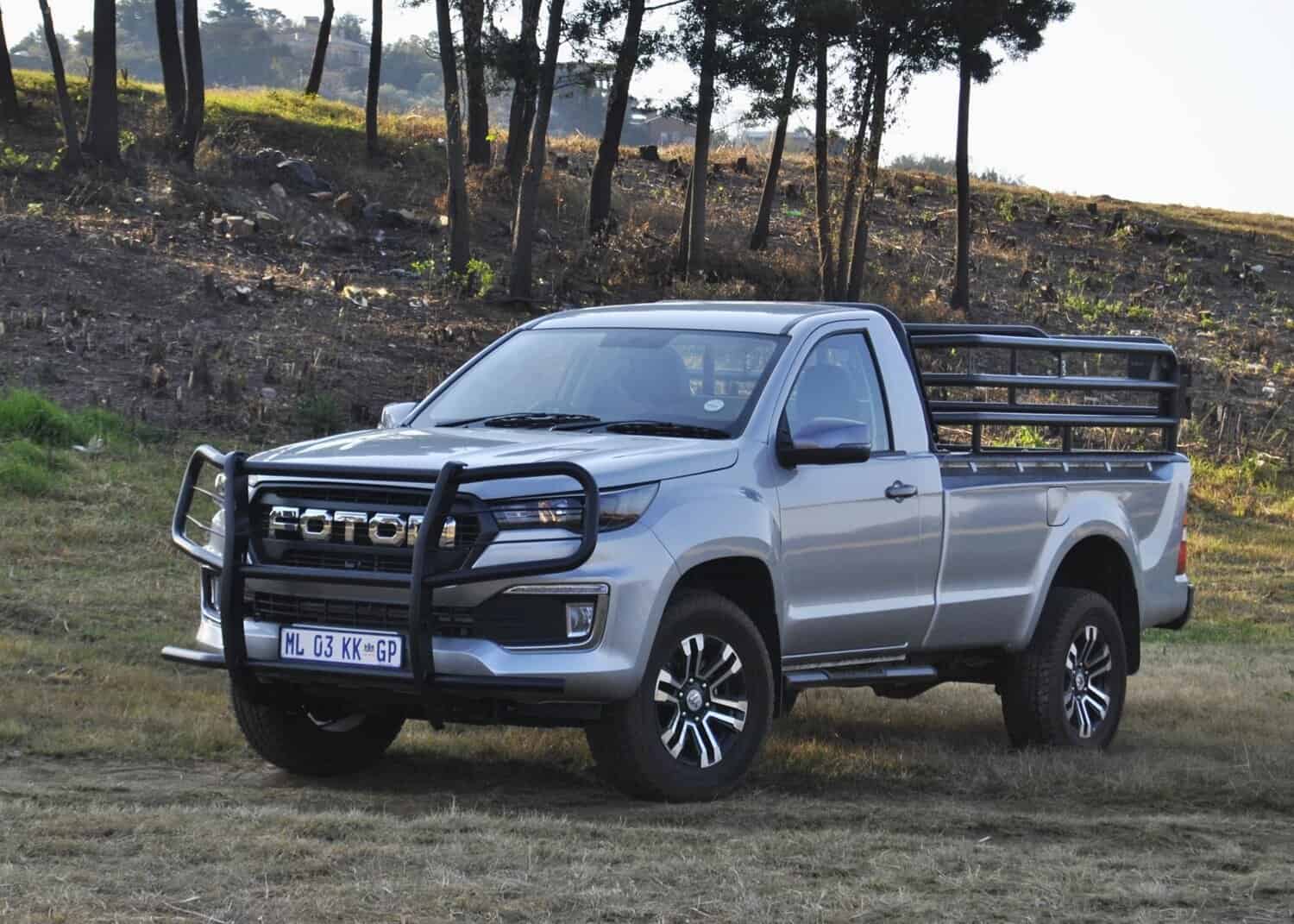
Mbabane – Foton has rolled out a four-wheel drive version of its Tunland G7 single cab, giving local buyers a sturdier option in the fast-growing bakkie market.
The new model, tested in August 2025, enters showrooms priced at E33 5075 and arrives just over a year since the Tunland G7 returned to southern Africa. It builds on the two-wheel drive single cab launched last year, but now adds stronger off-road traction while keeping the same 210mm ground clearance, 3 000kg tow rating and 1 000kg payload.
Foton, owned by BAIC, has been slowly cementing its presence. Between February and August this year, 1 521 units were sold across the region, with August alone seeing 218 sales. That puts the Tunland ahead of better-known names such as Peugeot’s Landtrek and Mitsubishi’s Triton.
The new single cab is powered by a Cummins co-developed 2.0-litre turbo diesel engine delivering 120kW and 390Nm, paired to a six-speed manual gearbox. Though reviewers note its gearbox and throttle response can feel clunky, the engine provides strong pull once it crosses 2 000 rpm. Tests showed the vehicle reaching 100 km/h in 12.9 seconds, comparable to some bigger double cabs on the market.


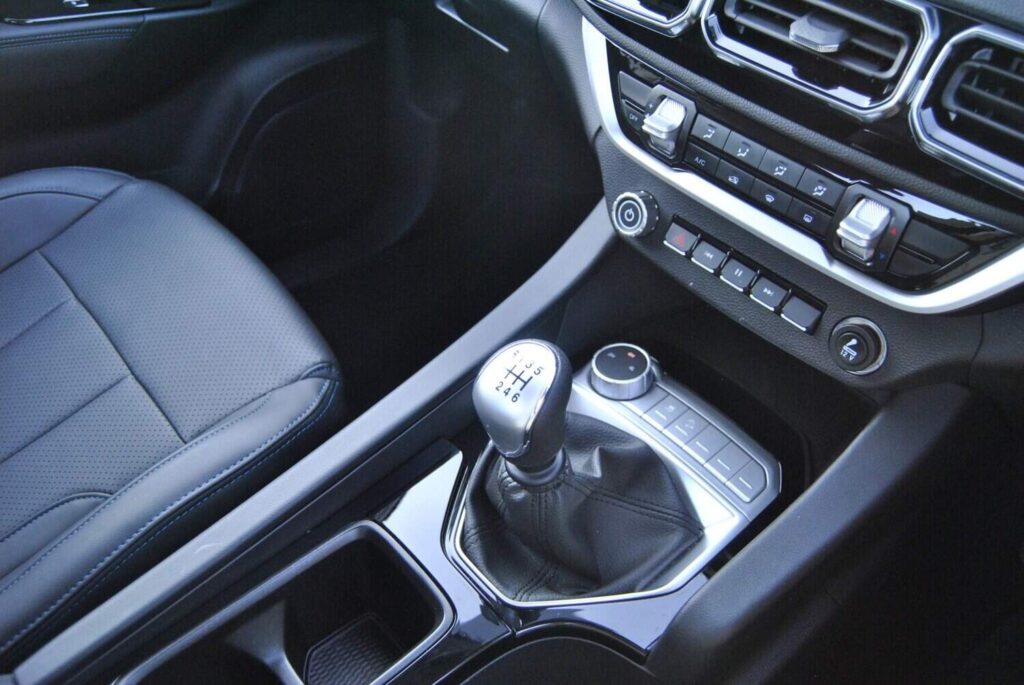
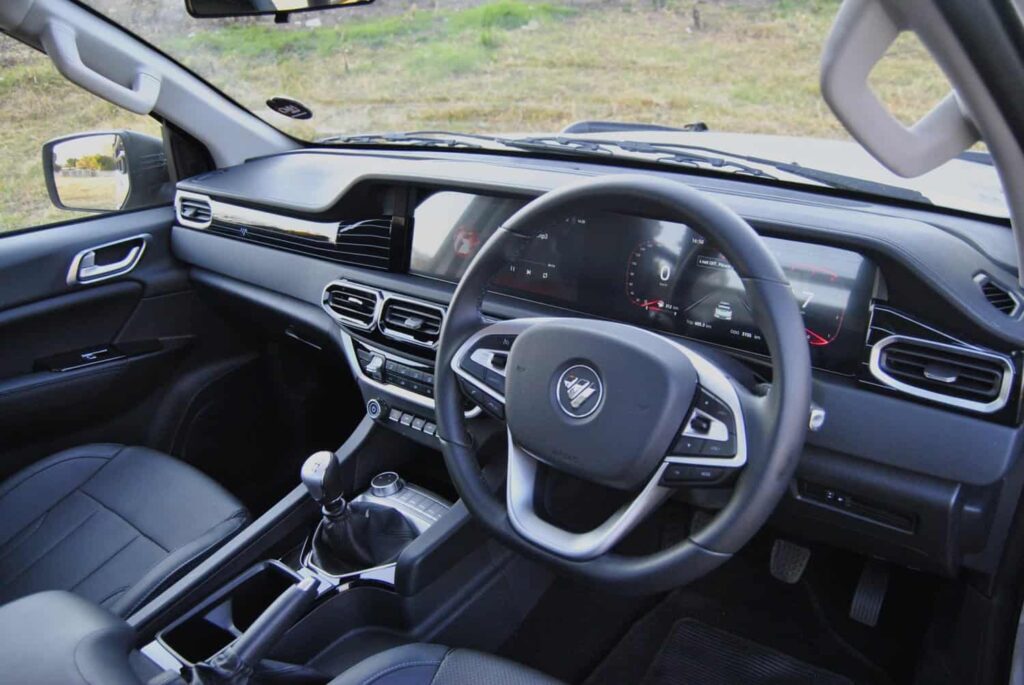
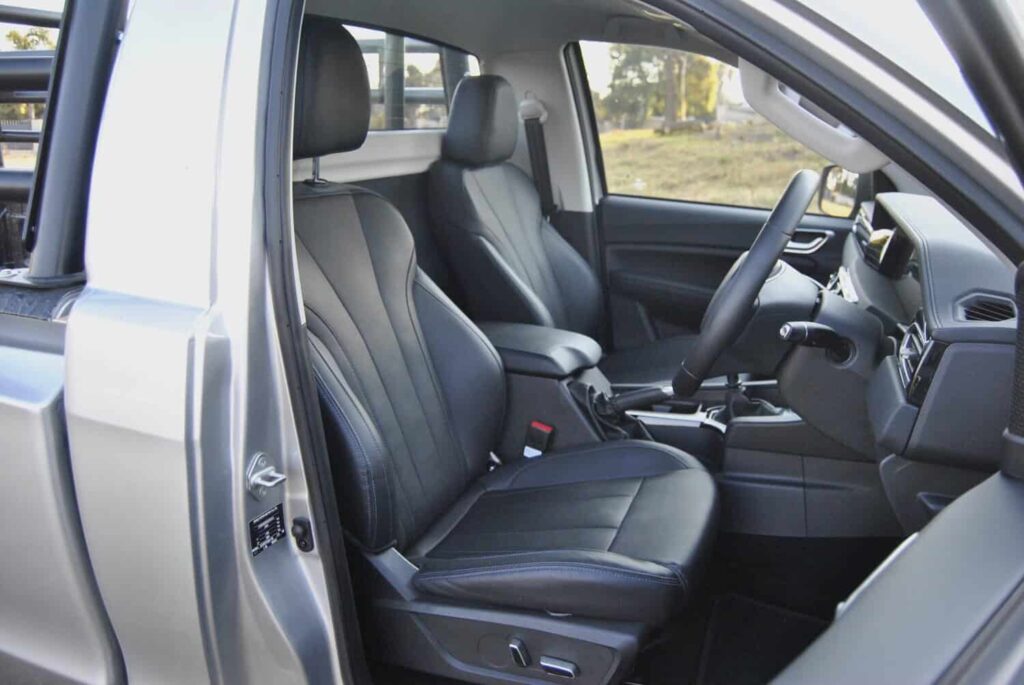
Inside, the Tunland G7 stands out for its technology. The cabin features two 12.3-inch displays, electric windows, air-conditioning, push-button start, cruise control, dual airbags and Apple CarPlay/Android Auto compatibility. However, drivers may find the seats firm, the steering wheel limited in adjustment, and the audio system basic. A reverse camera is also missing.


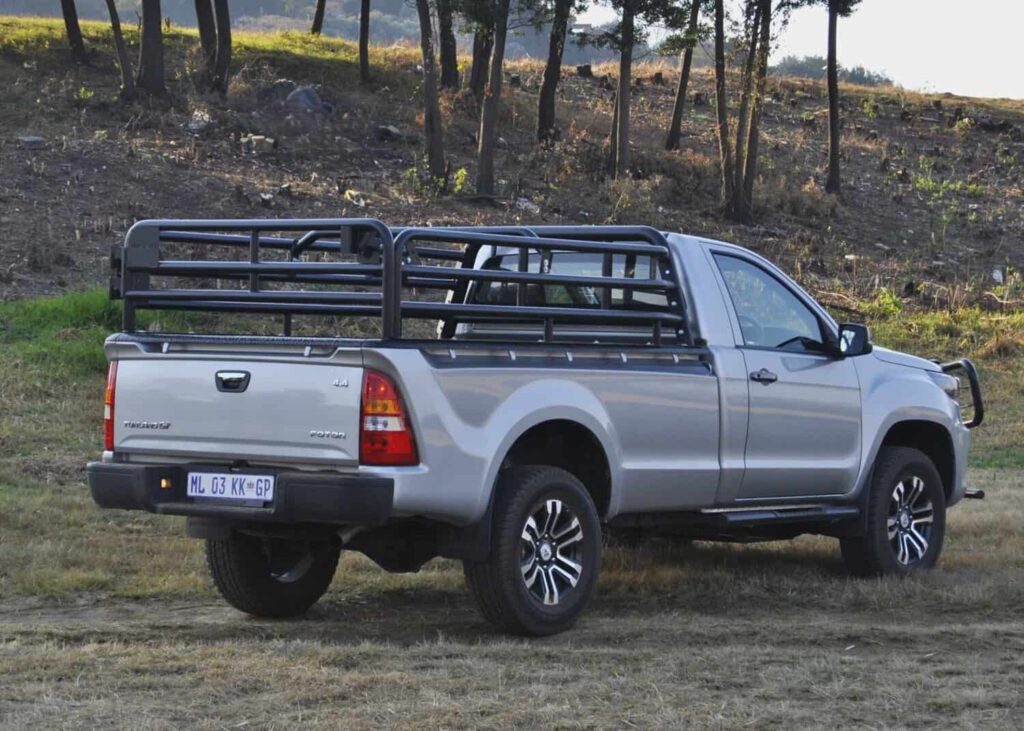
On the road, the single cab averages 8.5 litres per 100 km fuel consumption, making it more efficient than its double cab siblings. Accessories aimed at the farming community, such as cattle rails and nudge bars, were fitted on the test unit – a clear sign that Foton is targeting workers who need a practical yet modern bakkie.
The Tunland G7 single cab 4×4 is available through local dealerships such as Mbabane Motors, where customers can also access warranty support of three years or 100 000 km.




Discussion about this post