



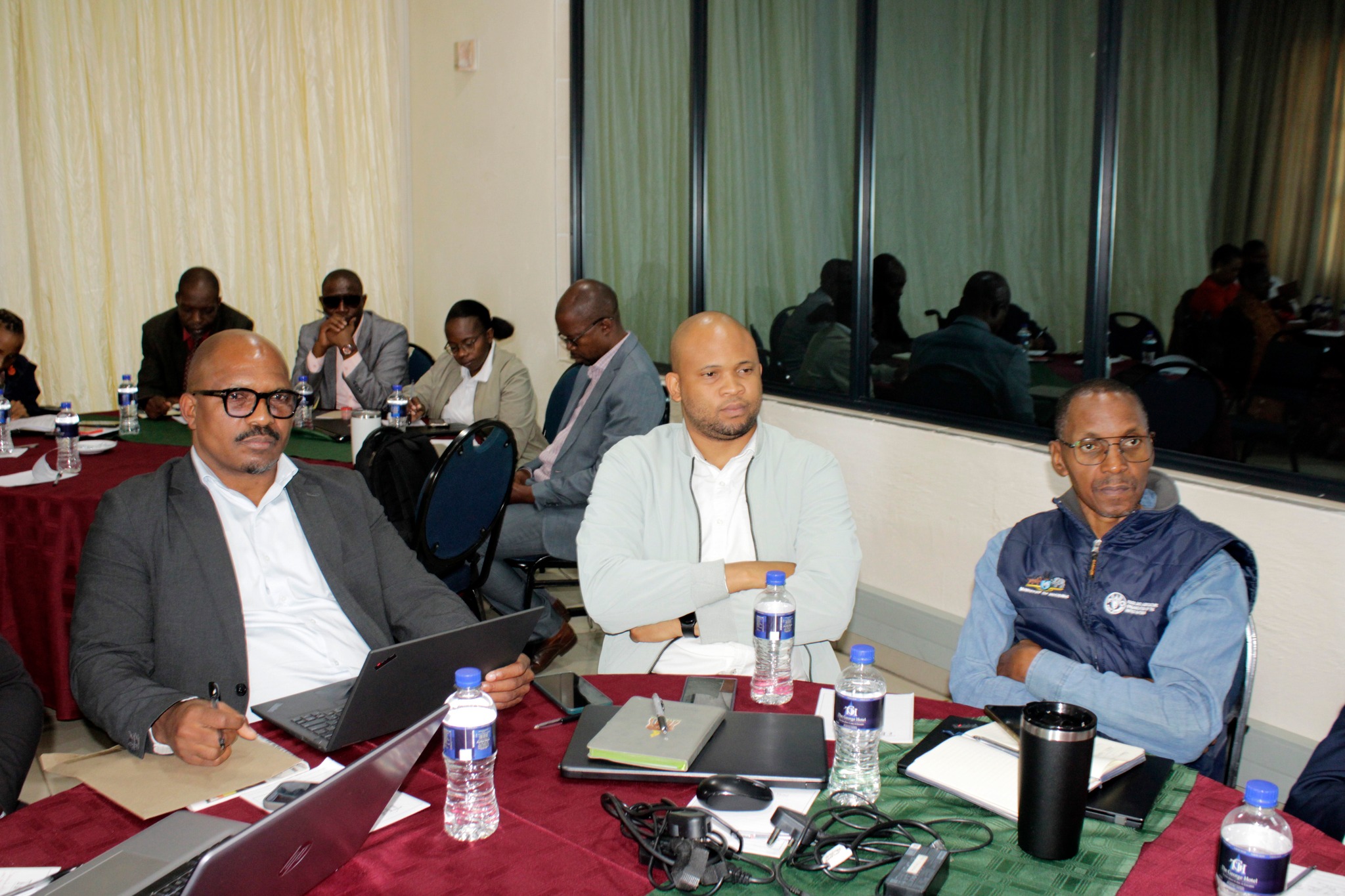
Municipal leaders, government officials, and development partners gathered in Mbabane for a one-day workshop to validate key indicators and guidelines for the development of sustainable green cities in Eswatini.
The workshop, held under the “Public and Private Investment in Sustainable Green Cities, Green Spaces, and Urban Agriculture” project, was convened through a partnership between the Ministry of Housing and Urban Development and the Food and Agriculture Organization of the United Nations (FAO), in collaboration with the Eswatini Local Government Association.
Acting Principal Secretary in the Ministry of Housing and Urban Development, Hlobisile Dlamini, said the initiative aligns with the ministry’s Strategic Plan 2025–2030, which prioritizes affordable and sustainable housing, improved urban infrastructure, and green building standards.

The project seeks to support Eswatini’s transition toward climate-resilient and equitable urban development, particularly in the face of rising risks such as flooding, drought, and biodiversity loss. FAO Assistant Representative Howard Mbuyisa said rapid, unplanned urbanization has made communities more vulnerable to environmental threats and called for integrated efforts to manage urban growth sustainably.

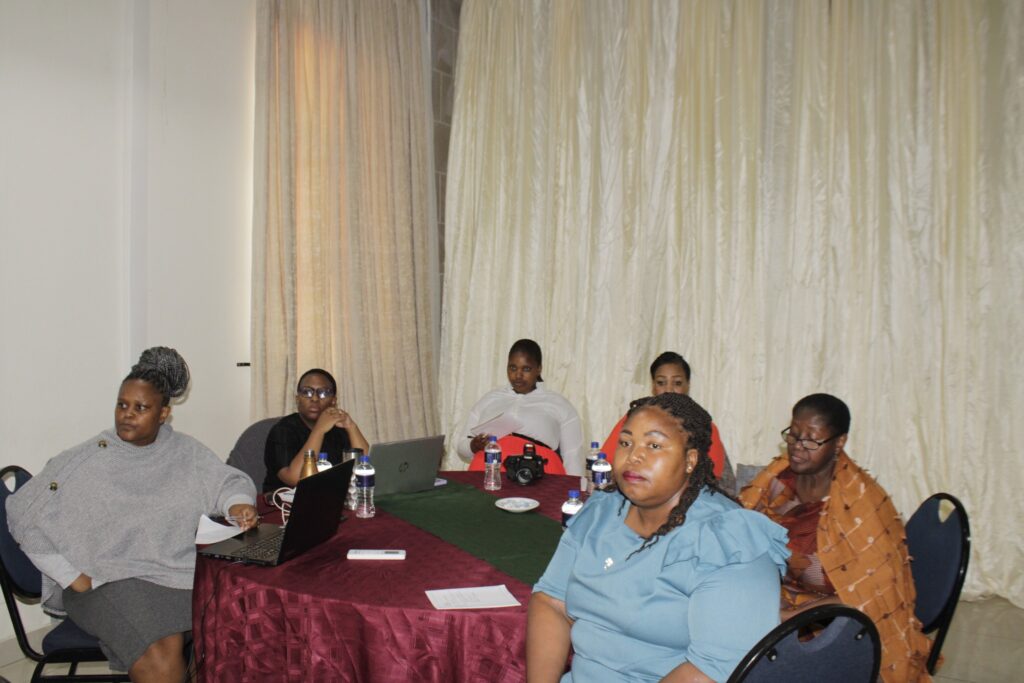
Participants also discussed the critical role of the Geo-Observatory Laboratory in gathering data to guide urban development decisions. According to National Project Coordinator Siphelele Makhubu, data collected on informal settlements will support targeted interventions aimed at reducing urban poverty and unemployment. Government projections aim to lower the national poverty rate in urban areas to at least 30 percent.


The workshop also addressed the need for public health indicators in city planning. Dlamini called for every municipality to appoint a public health officer to strengthen waste management and reduce health-related risks. Water access was another point of discussion, with stakeholders noting that Eswatini’s current indicator falls short of the Sustainable Development Goals target of achieving 100 percent clean water access by 2030.
Officials and stakeholders were urged to develop proposals that will enable the effective rollout of the project.


Discussion about this post