



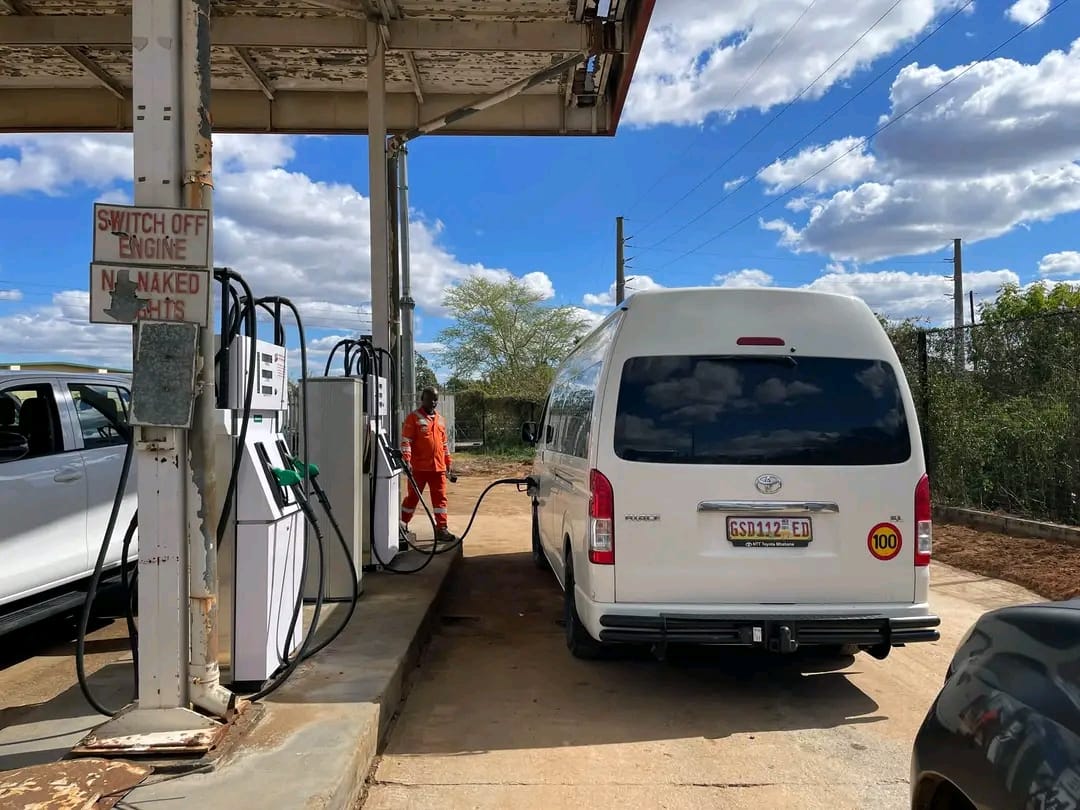
Mbabane – Government has tightened control over fuel use across its fleet through an electronic Fuel Management System designed to strengthen accountability and close gaps that have historically contributed to fuel losses and shortages.
The system, operated through the Central Transport Administration (CTA) under the Ministry of Public Works and Transport, controls the refuelling process from authorisation to dispensing, with every transaction linked to a specific government vehicle, driver, date and mileage.
The system uses end-to-end encryption to prevent manipulation between the administrator and the fuel user. Before a government vehicle can refuel, a unique code is generated for the authorised driver and vehicle and linked to a predetermined refuelling date and the vehicle’s mileage.
The vehicle can only proceed to the pump when the required details correspond.


At the fuel station, the vehicle’s barcode or fuel sticker is scanned and the driver enters the unique code into the scanner. This activates the pump nozzle and records the litres issued to the vehicle.
Any fuel balance remaining after the vehicle has been filled is returned to the administrator, while manual sharing of fuel between vehicles at the pump is not permitted.
The mileage-based system also means that a vehicle cannot simply return for another allocation before the fuel already issued to it has been used. Each subsequent refuelling has to correspond with the vehicle’s recorded mileage.


This allows the CTA to monitor fuel consumption against the activities assigned to government vehicles and helps ensure that fuel is used for official operations.
The controls extend beyond the actual dispensing of fuel. Fuel managers can remotely monitor fuel levels at CTA stations and place orders when supplies need replenishing, reducing the risk of stations running out of fuel.
The system has also improved turnaround times at the fuel stations, with vehicles expected to complete the process and leave within about 10 minutes.
Security and oversight have been further strengthened through live cameras installed at the fuel stations. The cameras operate 24 hours a day, allowing managers to monitor activities at the stations remotely.
The combination of electronic authorisation, mileage verification, restricted fuel allocation, remote monitoring and round-the-clock surveillance provides multiple layers of control over government fuel.
The measures are intended to reduce fuel losses and shortages, improve accountability for government expenditure and ensure that vehicles remain adequately fuelled for the services they are assigned to deliver.


Discussion about this post