



Manzini- For many farmers, the hardest part of producing food may not be growing it, but finding out at harvest that the person buying it holds all the power to determine its value.
This imbalance, according to Ministry of Agriculture Principal Secretary Sydney Simelane, is one of the reasons farmers must move beyond primary production and begin participating in other stages of the agricultural value chain.
Simelane said farmers who only produce raw commodities often find themselves with little room to negotiate when buyers make offers that fall below what they had expected after investing in inputs, labour and production.
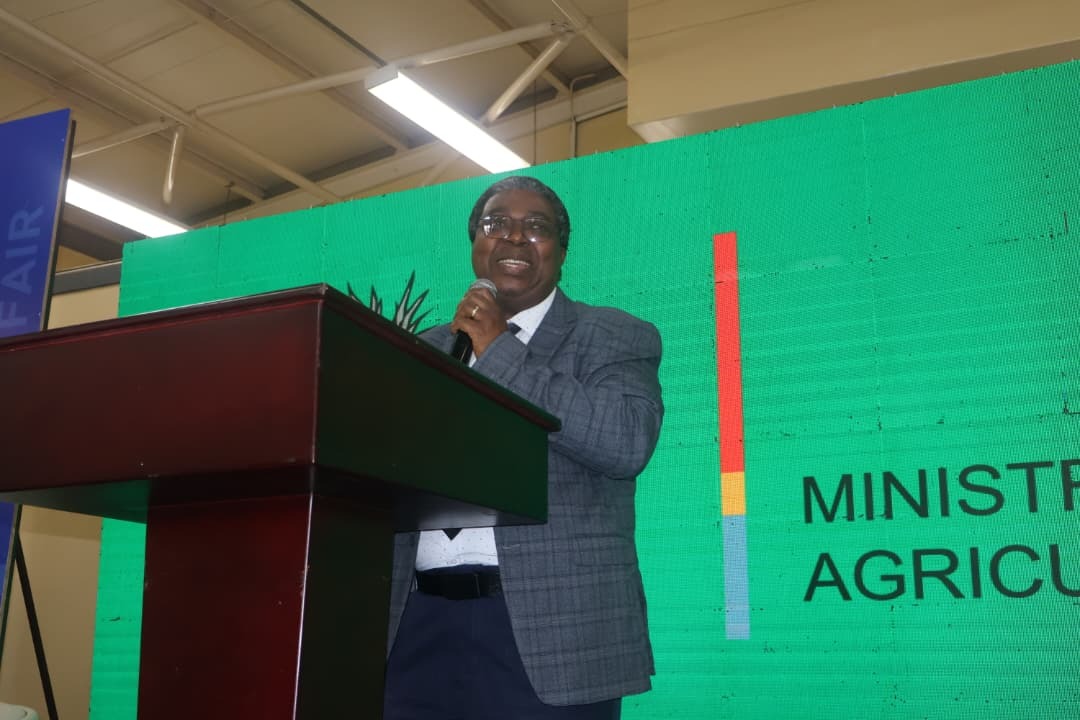
Speaking during an agri-business seminar hosted by the ministry of Agriculture at the ongoing Eswatini International Trade Fair (EITF), he said the situation had become apparent to him through engagements with farmers since joining the ministry.


“One of the challenges I have encountered is complaints from farmers who say they work very hard to produce, but at the end of the day somebody comes to them and says, ‘I can only offer you this much for your product’,” Simelane said.
He said the farmer was often left with little choice but to accept the price offered, despite having carried the financial and production risks throughout the farming process.
Simelane argued that value addition could fundamentally change this relationship by giving producers greater control over their products and access to alternative markets.
“As you move up the value chain, you begin to call the shots,” he said, adding that producers with alternatives were better positioned to negotiate prices instead of depending on a single buyer.
He encouraged farmers and young entrepreneurs to explore opportunities in agro-processing, clean energy and structured financing as part of efforts to build more resilient agricultural enterprises.
The PS said the future of agriculture would depend increasingly on farmers viewing their operations as businesses that extend beyond the farm gate.
However, he warned that building resilient agricultural enterprises would also require farmers to prepare for growing climate risks.
Simelane said meteorological forecasts pointed to a high likelihood of an El Niño phenomenon during the upcoming farming season, potentially bringing suppressed rainfall, prolonged dry spells and higher temperatures.
He said farmers needed to protect their investments by adopting climate-smart production methods.
Among the interventions recommended by the ministry are water harvesting, investment in micro-irrigation, rehabilitation of water storage infrastructure and soil moisture conservation practices such as mulching and minimum tillage.


Farmers were also encouraged to diversify production by incorporating drought-tolerant crop varieties, short-season hybrids and high-value niche crops.
Livestock producers, Simelane said, should adopt efficient feeding and management strategies to protect their herds during dry periods.
He further urged farmers to monitor seasonal forecasts and early warning advisories issued by the Department of Meteorological Services to guide their planting schedules and application of inputs.
Simelane said the ministry would continue providing research, extension services, policy support and training in collaboration with partners.
However, he stressed that government could not transform the sector alone.
“Sustainable enterprise thrives on multi-stakeholder collaboration,” he said.
Ultimately, he said, increased investment and local production were necessary if Eswatini was to achieve food sovereignty.


Discussion about this post