



Mpakeni- Construction of the multi-billion-emalangeni Mpakeni Dam has reached 54 per cent completion, while 146 families have already been relocated from the future reservoir area in what officials describe as one of the country’s most extensive resettlement programmes.
The Eswatini Water and Agricultural Development Enterprise (EWADE) disclosed the progress during a media tour of the project yesterday, saying dam construction remains close to schedule, having narrowly missed its target of 56 per cent, while relocation of project-affected communities is gathering pace ahead of the planned completion of the resettlement programme in March next year.
The project, which forms part of the Mkhondvo-Ngwavuma Water Augmentation Project (MNWAP), is expected to improve water security, unlock thousands of hectares for irrigation and stimulate economic development in the country’s southern region.
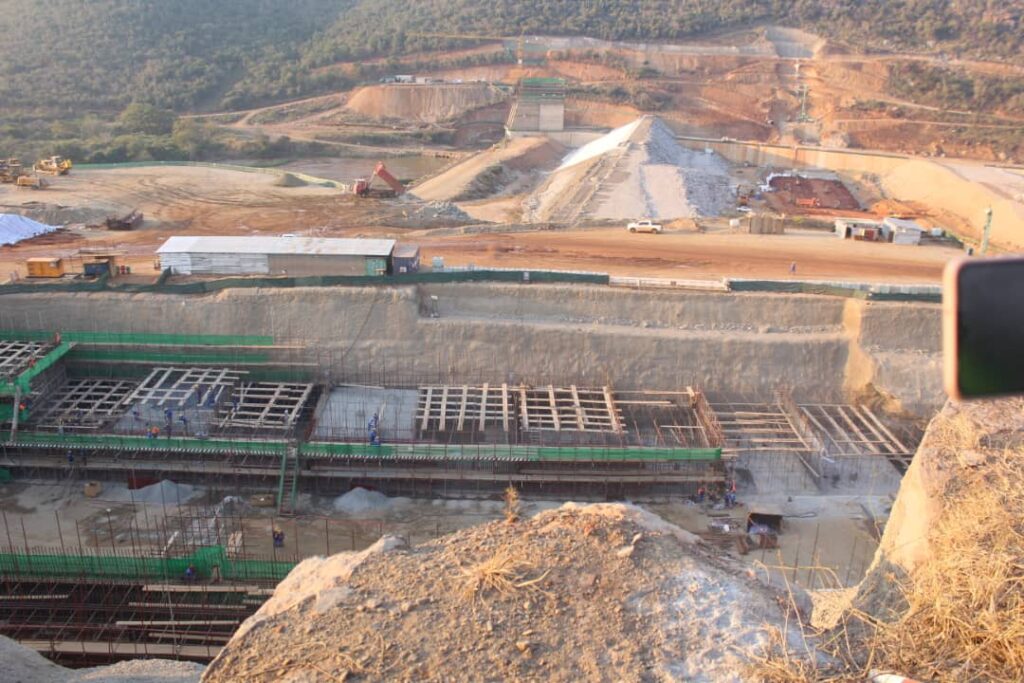
While construction equipment continues carving out the massive dam wall, another operation has quietly been unfolding behind the scenes — relocating entire communities, businesses, churches and family graves that fall within the area to be inundated once the reservoir is filled.


According to EWADE, the resettlement programme covers 231 households, one Neighbourhood Care Point (NCP), five churches, two grocery shops, a dip tank, a poultry shed and two private farms.
To date, 146 households have been successfully relocated, including nine families that opted for the project’s free-choice resettlement arrangement, which allows affected people to identify their own land outside the project area.
Construction is currently under way on 74 replacement homesteads, including 15 for free-choice beneficiaries, with the housing programme standing at 75 per cent completion.
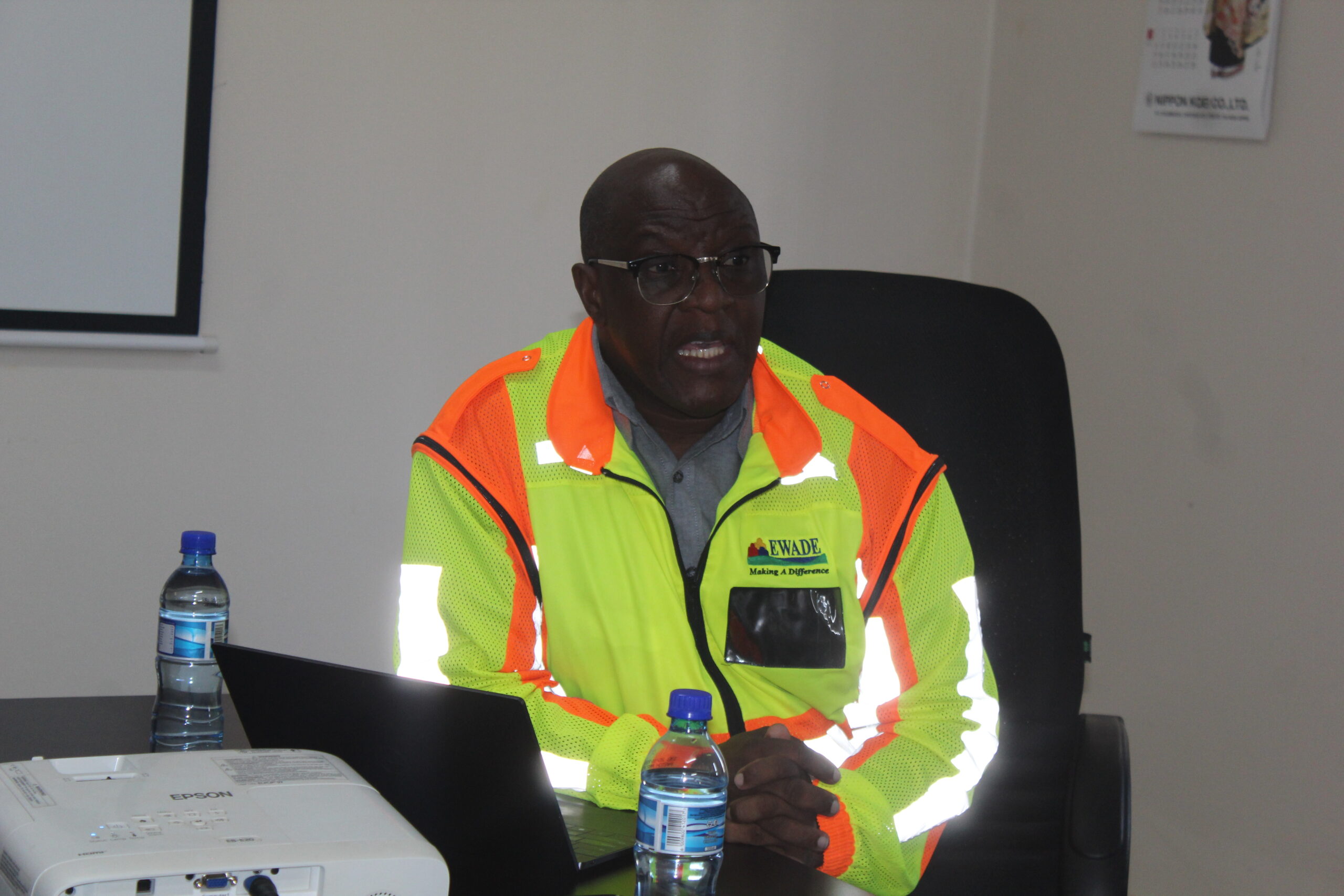
Environmental Manager Futhi Dlamini said the relocation process follows internationally accepted environmental and social safeguard standards to ensure no affected family is disadvantaged by the development.
She said before any relocation takes place, officials conduct detailed asset surveys documenting every affected structure and asset, including houses, cultivated fields, fruit trees, fences, businesses, community facilities and graves.
The information is then incorporated into a Resettlement Action Plan, which undergoes review by the Eswatini Environment Authority and project financiers before implementation.
“No household is relocated until all the required processes have been completed. The project follows approved compensation procedures and policy frameworks to ensure fairness throughout the exercise,” Dlamini said.
She said affected communities participate throughout the process through Resettlement Committees, Community Development Committees and other local structures established specifically for the project.
A grievance redress mechanism has also been put in place to allow residents to report concerns or disputes arising during implementation.
Families affected by the dam are offered three relocation options. They may relocate to designated resettlement sites agreed upon with traditional authorities, move to another location within the same chiefdom or make their own arrangements outside the project area under the free-choice option.
The programme also allows household splits, enabling adult children and members of polygamous families to establish separate homesteads while remaining eligible for compensation.
Dlamini said the project’s guiding principle is to replace, as far as possible, what families lose rather than simply paying cash compensation.
Replacement agricultural land of equivalent quality is provided where available, while homes are rebuilt using modern construction materials based on the size of the original structures.
Each replacement homestead is equipped with a 5 000-litre rainwater harvesting tank, potable water supply, electricity connection, fencing, a ventilated improved pit latrine and an energy-efficient cooking stove.
Fruit trees are compensated at full productive value, with two replacement seedlings provided for every tree removed, while crops affected before harvest attract compensation based on prevailing market prices.
Families relocating ancestral graves receive full exhumation and reburial support, including coffins, blankets, mats and transport, in addition to one beast for every five family graves.


Businesses affected by the project are compensated for damaged structures and any income lost because of construction activities, while churches, neighbourhood care points, dip tanks and other community facilities are rebuilt.
Figures presented during the tour show that 414 of the 609 graves identified within the project area have already been relocated.
Outstanding work includes relocating the remaining 11 households, rebuilding five churches, replacing two dip tanks, relocating two private farms, as well as a poultry shed and a grocery shop before the reservoir is impounded.
The Mpakeni Dam is being constructed under a R2.6 billion contract by the Sakhalive Joint Venture, comprising Yellow River Engineering Consulting Co. Ltd. and Sinohydro Bureau 3 Co. Ltd. It is the flagship component of the broader Mkhondvo-Ngwavuma Water Augmentation Project, a programme valued at more than R8.7 billion that is expected to reshape agriculture and water supply in southern Eswatini for decades to come.


Discussion about this post