



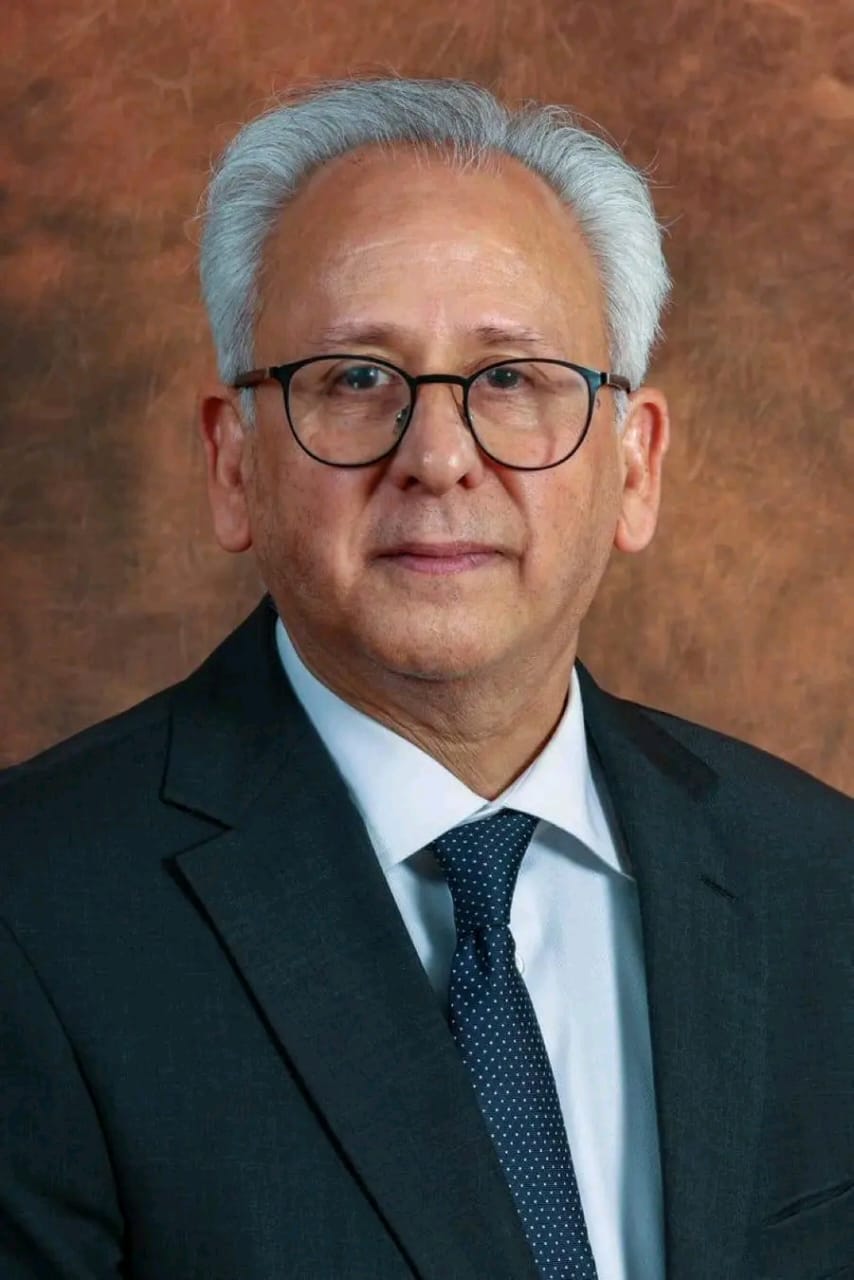
MBABANE – South Africa has intensified security preparations ahead of planned nationwide demonstrations on June 30, with Acting Minister of Police Firoz Cachalia holding talks with the private security industry as authorities seek to prevent a repeat of the violence and economic disruption that accompanied the July 2021 unrest.
The engagement, held in Pretoria on Tuesday, comes amid growing tensions linked to anti-illegal immigration protests and calls by some activist groups for undocumented foreign nationals to leave South Africa by June 30.
According to a statement issued by the South African Ministry of Police, Cachalia met representatives of the private security sector to strengthen cooperation between law enforcement agencies and private security companies ahead of the planned demonstrations.
The ministry said the private security industry would serve as a “force multiplier” to the South African Police Service (SAPS), particularly during a period of heightened public mobilisation and security concerns.


“The meeting emphasised the importance of combining the capabilities and resources of both the public and private sectors,” the ministry stated, adding that information sharing, coordinated planning and pooling of resources would be critical in managing potential security risks.
Cachalia told industry representatives that government recognised growing tensions around immigration-related challenges but stressed that all stakeholders had a responsibility to ensure South Africa remained stable and peaceful.
The minister warned that threats of violence posed a significant national security risk, especially given the country’s experience during the July 2021 unrest, which left more than 300 people dead and caused billions of rand in economic losses.
The latest security meeting forms part of a broader government effort to prepare for June 30. In recent weeks, SAPS has conducted operational readiness assessments and confirmed that specialised public order policing units, tactical response teams, mounted units and K-9 units will be on standby across the country.
Speaking earlier this week, Cachalia said police were prepared for “any eventuality” and confirmed that security operations had been intensified nationwide. He also indicated that authorities were engaging provincial governments, municipalities and private security companies to ensure adequate resources were available.
The June 30 demonstrations have generated significant debate across South Africa after anti-illegal immigration groups called for undocumented migrants to leave the country by that date. However, the South African government has repeatedly distanced itself from any such deadline.
A fact-check conducted by AFP found that claims suggesting the government had officially ordered undocumented foreigners to leave by June 30 were false. Authorities described widely circulated social media notices as fake and intended to create panic.
President Cyril Ramaphosa has also publicly condemned xenophobic violence and warned that immigration laws must be enforced only by state institutions and not by vigilante groups.
The developments are being closely watched across Southern Africa, including in Eswatini, where thousands of emaSwati live and work in South Africa.
While no official figures are available on how many emaSwati currently reside in South Africa, the neighbouring country remains the primary destination for Eswatini citizens seeking employment, business opportunities and higher education. Any widespread unrest or anti-foreigner violence could therefore directly affect Eswatini nationals living in major centres such as Johannesburg, Pretoria, Durban and Cape Town.
The concern is not merely theoretical.
Recent weeks have already seen reports of violence against foreign nationals in parts of South Africa. Reuters reported earlier this month that several African countries, including Mozambique, Malawi, Ghana and Nigeria, had taken steps to assist or repatriate citizens amid growing anti-immigrant tensions. Mozambique said at least five of its nationals had died in attacks linked to the unrest.
Labour federations, including COSATU, FEDUSA, SAFTU and NACTU, have meanwhile urged workers to stay away from anti-migrant demonstrations, warning that participation could fuel instability and undermine workers’ interests.
Security analysts have noted that although many planned demonstrations may proceed peacefully, authorities remain concerned about the possibility of criminal elements exploiting public gatherings to trigger violence, looting or attacks on foreign nationals.
The South African National Defence Force (SANDF) has sought to calm public fears by dismissing social media reports claiming soldiers would be deployed ahead of June 30. The military said no such deployment orders had been issued and reaffirmed that citizens retain a constitutional right to peaceful protest.
During Tuesday’s engagement, representatives of the private security industry welcomed government’s call for closer cooperation and pledged their support in helping maintain public safety.
According to the ministry, the industry has already begun preparations and indicated its readiness to assist in ensuring demonstrations take place in a safe and lawful manner.
In closing the meeting, Cachalia stressed that public anxiety surrounding recent developments made effective communication essential.
Quoting Chinese military strategist Sun Tzu, he told participants: “The supreme art of war is to subdue the enemy without fighting.”


The minister said the principle highlighted the importance of prevention, preparedness and cooperation in safeguarding South Africa’s stability.
For many emaSwati living across the border, those efforts may prove critical in determining whether June 30 passes peacefully or becomes another test of regional stability in Southern Africa.


Discussion about this post