



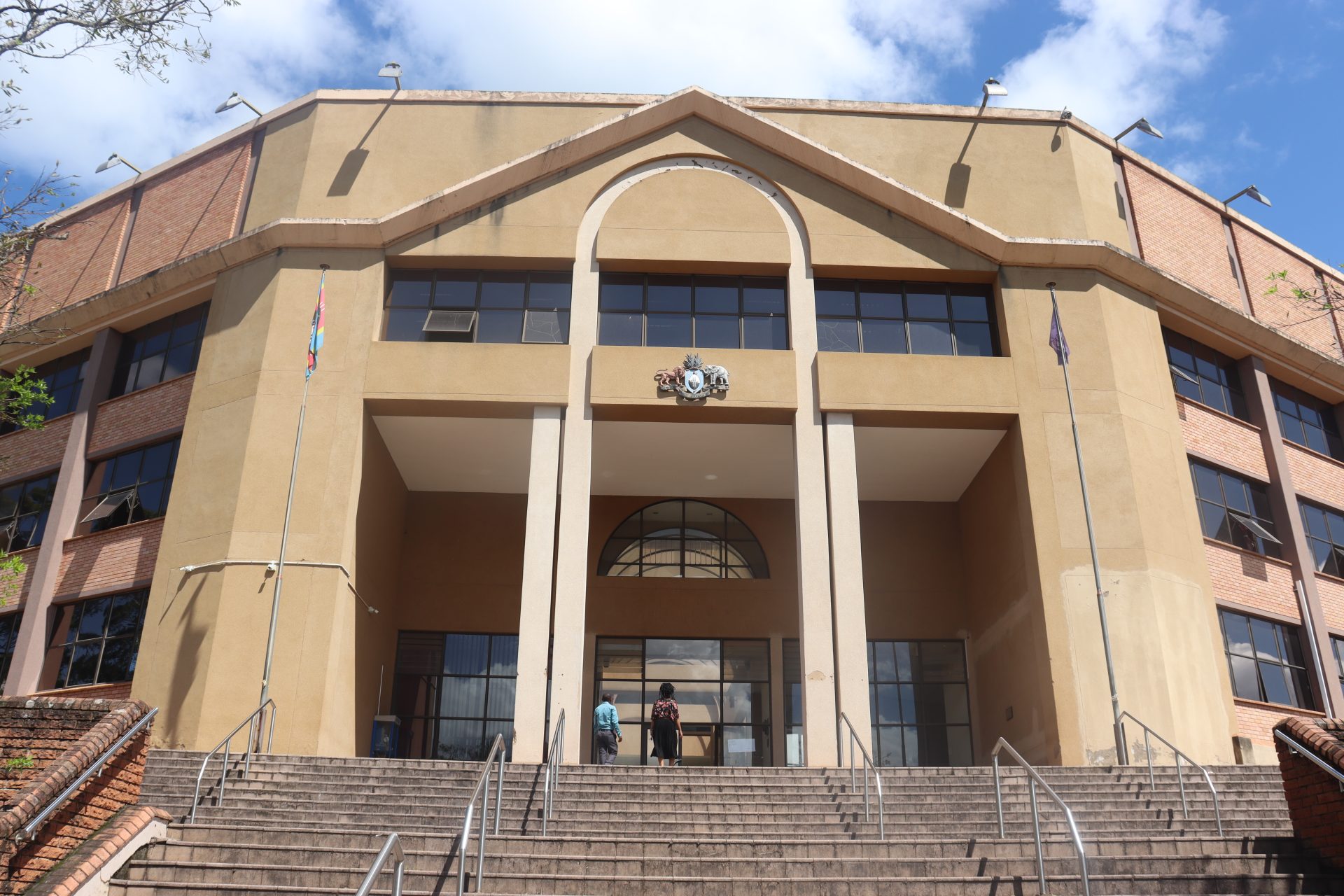
Mbabane– The University of Eswatini (UNESWA) has rushed to the Industrial Court to stop a planned strike by lecturers and other staff, arguing that industrial action could disrupt ongoing final examinations and delay the release of students’ results.
The urgent application, filed on June 19, seeks an interim interdict preventing the Association of Lecturers, Academic and Administrative Personnel (ALAAP) from embarking on a strike and stopping the Conciliation, Mediation and Arbitration Commission (CMAC) from conducting a secret strike ballot.
The matter was postponed and is set to be argued before the Industrial Court on July 6, 2026, at 8:30am.
UNESWA Registrar Bonginkosi Max Mkhonza told the court that a strike would severely affect examination processes, including invigilation, marking of scripts and the processing of final results. The university’s end-of-year examinations began on June 15 and conclude on July 3.


The university argues that the dispute centres on the implementation of an existing salary review policy and therefore constitutes a “dispute of right” under the Industrial Relations Act. According to UNESWA, employees are prohibited from striking over disputes involving existing rights and must instead pursue legal remedies through adjudication or enforcement.
ALAAP has opposed the application, insisting that the university is acting prematurely because no strike date has been set and no ballot has been conducted.
In an answering affidavit filed on June 22, ALAAP Secretary General Sibusiso Mfunwa Dlamini argued that CMAC is still handling the matter and that the court should not interfere with ongoing statutory processes. He said the university’s fears are speculative because union members could ultimately vote against industrial action.
The dispute stems from salary review negotiations between the university and the union. Under a 2018 policy, salaries are to be reviewed every three years. The parties initially agreed to appoint an independent consultant to conduct the review and were discussing how the costs would be shared.
However, the university later informed the union that it could no longer proceed with the arrangement following a Public Enterprises Unit directive requiring a centrally coordinated salary review for Category A public enterprises. On June 1, 2026, the Ministry of Finance signed a contract with Emergence Human Capital to undertake the exercise.
ALAAP rejected the move, arguing that terms negotiated between the university and the union could not be altered through a third-party directive. The collapse of negotiations resulted in the matter being referred to CMAC, which issued a Certificate of Unresolved Dispute on May 22, 2026.


While UNESWA maintains that the matter concerns the enforcement of an existing policy, ALAAP argues that it is a “dispute of interest” arising from failed collective bargaining negotiations and is therefore capable of giving rise to lawful industrial action.
The union has also challenged the Registrar’s authority to institute the proceedings, arguing that no University Council resolution authorising the lawsuit was attached to the application.
The Industrial Court is expected to determine whether the strike process can continue and whether the dispute is one that may legally result in industrial action when the matter returns on July 6.

Discussion about this post