



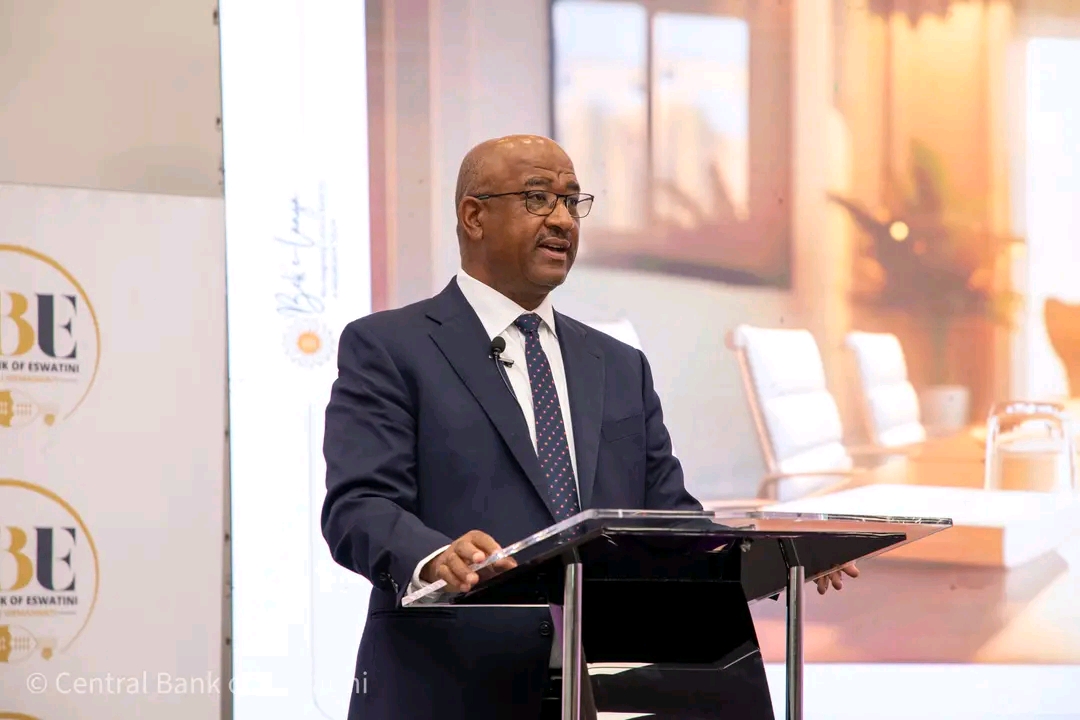
Mbabane- The Central Bank of Eswatini (CBE) has defended its procurement process for its E2.79 billion headquarters project, stating that adequate opportunities were provided for bidders and other stakeholders to raise objections, seek reviews, or appeal the tender award before the contract was finalized.
In a media statement issued on Monday, Governor Dr. Phil Mnisi said the Bank was concerned by recent reports suggesting that some parties were aggrieved by the outcome of the tender process despite established channels being available to challenge the process.
“The process built adequate safeguards and avenues for participants in the tender process to raise their objections freely, prior to the award of the contract,” said Mnisi. The Governor emphasized that the tender was conducted in a fair, transparent and competitive manner in line with procurement laws and best practice. He noted that from the outset, the Bank made it clear that both local and foreign firms could participate, provided there was a minimum 30 percent shareholding by local construction companies.
According to the Bank, bidders that failed to meet the local participation requirement were disqualified.


Mnisi further revealed that the Bank rejected requests from some local contractors to reduce the threshold from 30 percent to 10 percent, insisting on maintaining meaningful participation by emaSwati-owned firms.


The financial regulator also disclosed that all three of the top locally registered contractors listed in the Construction Industry Council (CIC) registry participated in the bidding process and each partnered with foreign firms.
Mnisi said the winning bidder was selected based on merit, including the financial proposal submitted, in accordance with established procurement principles.
“The Bank evaluated all bids based on merit, including the quoted amounts, and decided to award the bidder evaluated as the best,” he said.
The Governor reiterated that the Central Bank is not opposed to public scrutiny but questioned reports suggesting unfairness when mechanisms to challenge the process had been available throughout the procurement cycle.
The statement comes amid public debate over the participation of companies with foreign shareholding in government and public sector tenders. The Bank maintained that excluding legally registered companies on the basis of foreign ownership would be inconsistent with the country’s procurement laws, investment legislation and regional obligations.
Meanwhile, Mnisi reported that construction of the Bank’s project was progressing according to schedule and reaffirmed the institution’s commitment to transparency, fairness and accountability.


Discussion about this post