



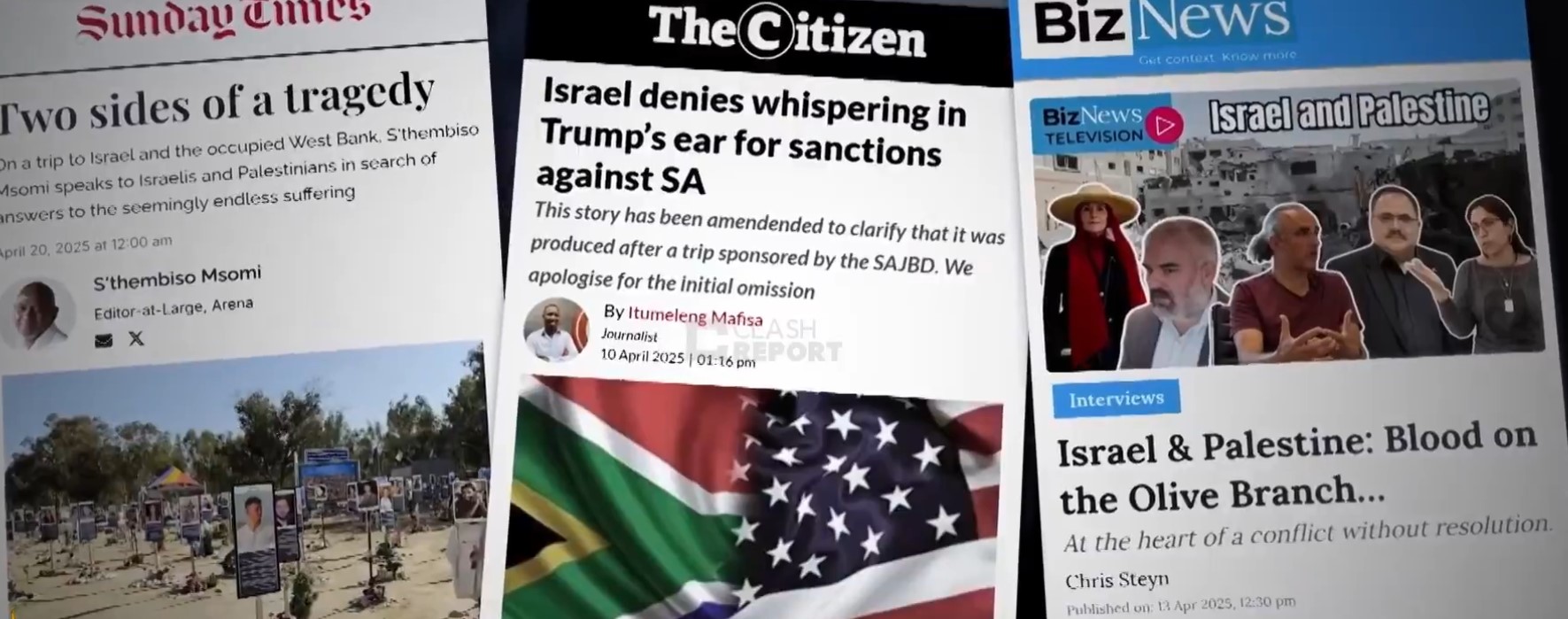
JOHANNESBURG – Investigative reporting by The Listening Post revealed that Israel sponsored trips for journalists and influencers from Ethiopia, South Africa, Kenya, Rwanda, Cameroon, and Morocco to visit the country, prompting questions about media ethics, transparency, and editorial balance.
The program focused on Ethiopia, South Africa, and Kenya, showing how foreign-funded visits influenced coverage of the Gaza conflict. More than 20 Ethiopian journalists from 10 media organisations traveled to Israel on fully funded trips organized by Israel’s Foreign Ministry. Their reporting largely reflected official Israeli narratives, with Palestinian perspectives mostly absent.
AI researcher Timnit Gebru said, “Ethiopian journalists who traveled to Israel do not deserve the title of journalist.” She linked the issue to disclosure, balance, and broader credibility concerns within Ethiopia’s politically pressured media environment.
The Listening Post noted that coverage focused on Christian holy sites and interviews with Israeli officials, including members of the Knesset and figures associated with the ruling Likud party. Gebru observed, “We have repeatedly seen Ethiopian journalists speak about Israelis kidnapped by Hamas or about the October 7 attack. One documentary gave half its time to a young Israeli eyewitness. They did not interview a single Palestinian.”


Footage from Ethiopian broadcaster EBS showed presenters traveling to the Israel-Gaza border fence. Presenter Yonás Kebede said, “Israel is not only joy but also sadness… we heard stories that touch the human heart.” Gebru said journalists could have interviewed Palestinians inside Israel, adding, “finding Palestinians in Israel is easy,” and suggested that editorial priorities shaped reporting more than logistical limits.


The report also covered South African journalists. Three reporters visited Israel with trips funded by the South African Jewish Board of Deputies. The Press Council of South Africa later found ethical breaches due to nondisclosure. Sunday Times editor Makhudu Sefara said the omission happened because they had “forgotten.”
In Kenya, about 10 TikTok creators and Christian gospel singers visited Israel. Legal analyst Njahira Gitahi said many Kenyan Christians view Israel as a sacred place, noting, “because Christ was born in Israel, we must stand with Israel.”
The program questioned the independence of the Ethiopian Media Council, noting that board member Tamrat Haylu participated in the trips, raising concerns about accountability and impartiality.
The Listening Post concluded that disclosure, funding transparency, and source diversity remain key measures of journalistic credibility in conflict reporting. Ethiopian journalists invited to respond to the allegations did not appear.


Discussion about this post