



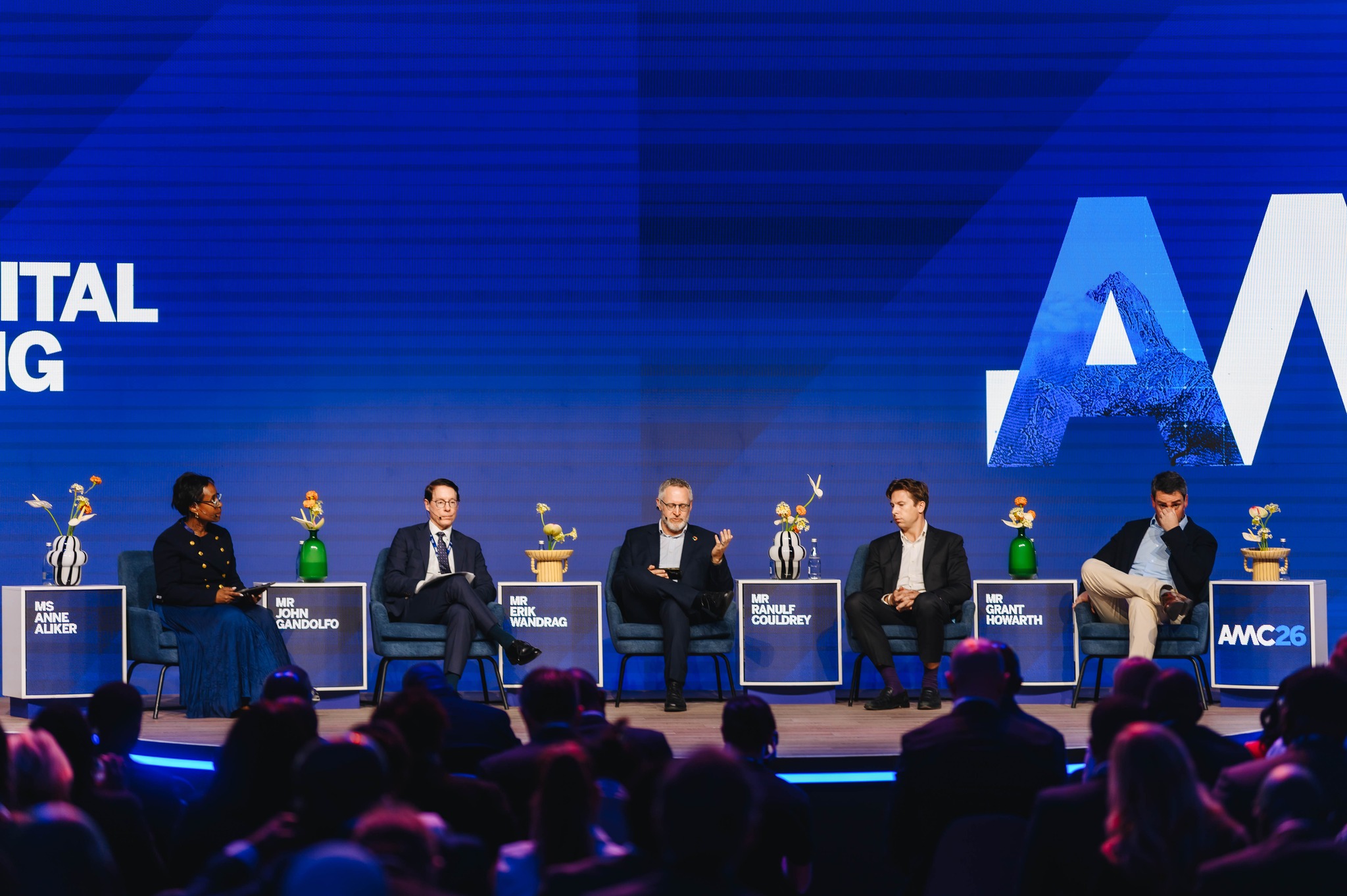
JOHANNESBURG – Standard Bank Group has called for better mobilisation and structuring of capital across Africa to convert the continent’s potential into measurable growth.
Opening the African Markets Conference 2026, Luvuyo Masinda, CEO of Standard Bank’s Corporate and Investment Banking Division, said Africa must move from risk perception to risk appreciation, convert projects into bankable assets, adopt blended capital structures, and integrate regional markets more effectively.
The first panel focused on opportunities in critical metals and targeted sectors, while shifting trade dynamics with China present both new opportunities and emerging risks. Speakers Goolam Ballim, Yvonne Mhango, and Dr. Michael Power noted the growing relevance of diversifying reserve strategies across dollars and renminbi.
Sir Wamilson Rangel outlined Angola’s approach to concessional financing and innovative frameworks aimed at accelerating infrastructure delivery. In the Fireside Chat, Dr. Kennedy Mbekeani called for consolidating Africa’s fragmented financing ecosystem and de-risking projects to attract private capital without over-relying on sovereign guarantees.

“Africa’s growth story will not be written by potential alone, but by how effectively capital is mobilised, structured, and governed,” Masinda said.


Day One of the conference explored several key areas. The Deepening African Capital Markets session highlighted mobilising domestic capital, currently concentrated in government bonds, through tailored financial products, blended finance structures, and predictable regulatory environments.
Investing in Africa – From Risks to Returns – focused on the continent’s demographic advantage and the importance of long-horizon, locally integrated investment strategies anchored in trust, strong partnerships, and scalable impact. Discussions on Africa’s Infrastructure pointed to structural reforms, stronger debt and regulatory frameworks, and targeted transformation programmes to attract private-sector capital and drive sustainable development. Sessions on Accelerating Energy Access and Transition reinforced the need for responsible, locally grounded investment to expand energy access while supporting a just and sustainable transition.
Organisers said the central message from Day One was clear: Africa does not lack capital, but unlocking it at scale requires coordination, robust governance, and the right structures.
The second day will address sovereign debt sustainability, intra-African trade, AI-driven payment ecosystems, and strategic investment opportunities across the continent. Leaders, policymakers, and investors will continue discussions on the structural shifts shaping Africa’s economic future.
The conference is structured around five pillars to drive investment. These include prioritising infrastructure as an asset class, accelerating the energy transition, deepening African capital markets, enabling intra-African trade and capital flows, and addressing sovereign debt and cost sustainability.
“This year’s engagement bridges the gap between policy ambitions and market realities. Africa urgently needs practical measures to deepen capital pools, improve market liquidity, and strengthen regulatory frameworks that give investors confidence to deploy capital at scale. Mobilising capital is not just about funding projects; it is about building the foundation of a more balanced and inclusive global economy,” Masinda said.


Discussion about this post