



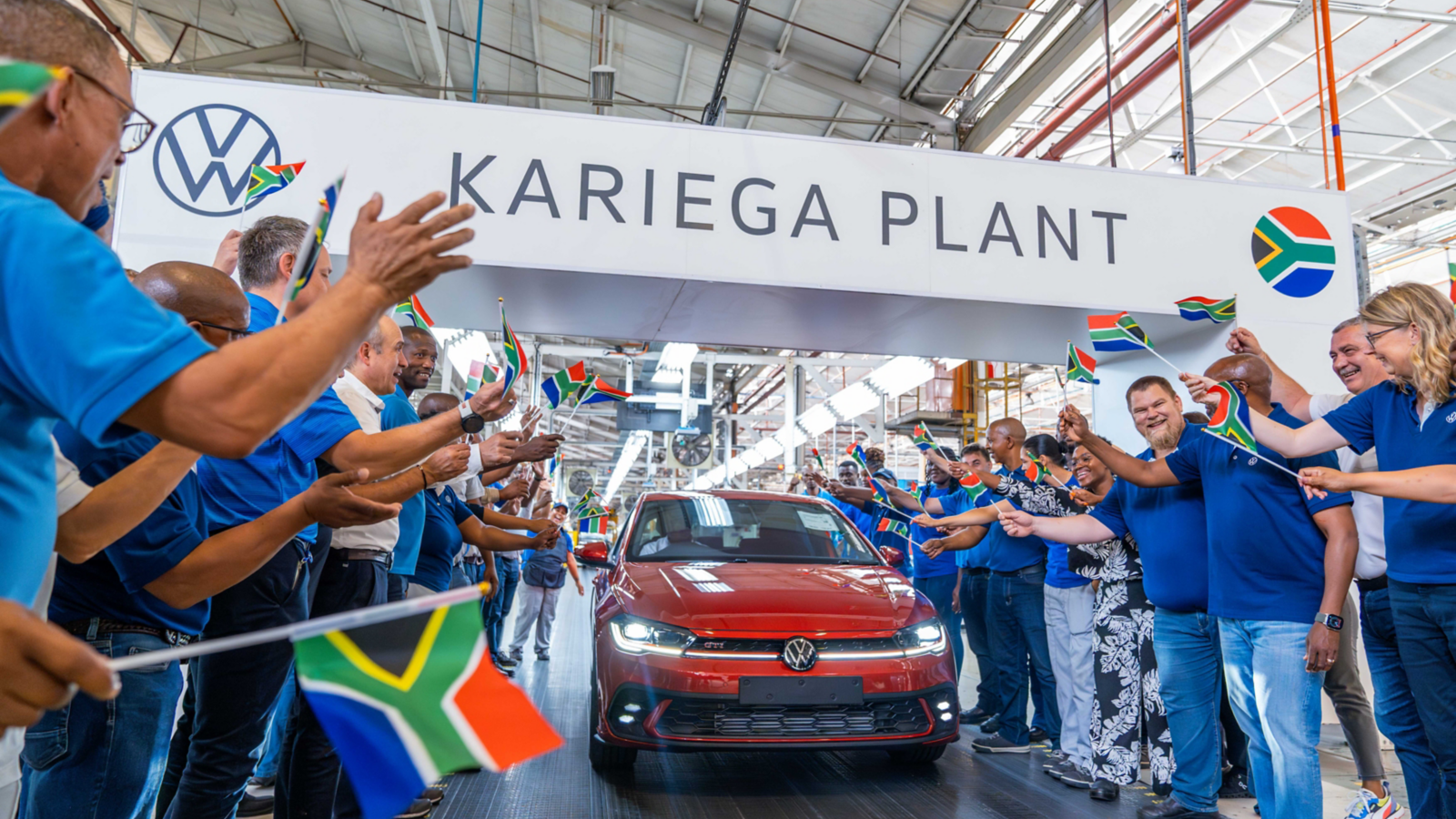
Kariega – Volkswagen Group Africa (VWGA) chair and managing director Martina Biene has called on President Cyril Ramaphosa to act swiftly on policies aimed at rescuing South Africa’s struggling automotive sector. In a letter sent before Christmas, Biene urged concise government decisions to protect the local manufacturing industry, which supports tens of thousands of direct jobs across seven major assembly plants and hundreds of thousands more along the supply chain.
“Local vehicle manufacturing is on a downward spiral that could eventually result in complete deindustrialisation,” Biene said. She noted that the industry contributed 5.2% of South Africa’s GDP last year.
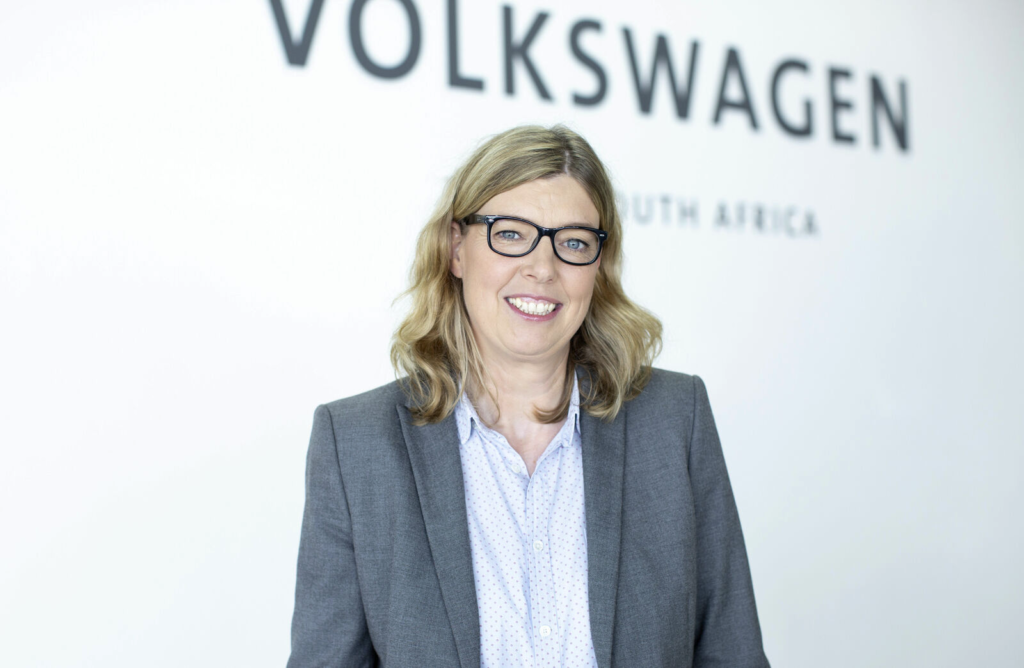
The sector faces rising imports from China and India, US import tax increases, and unclear domestic policies. Biene insists that stronger support for competitive production of new energy vehicles, which are seeing growing global demand, is crucial.
“The current automotive policy is not working anymore. The industry is not growing,” she said during Volkswagen’s annual product indaba in Kariega on Wednesday night. “This is a make-or-break year for the industry. I wrote a letter to the president prior to Christmas in which I urged government to make the crucial decisions that are needed for business. We’ve had valuable interactions with Parks Tau [minister of trade and industry] last year. There was a good understanding, and they took lots of notes, but nothing happened. That is why I wrote to the president, but the unfortunate thing is that he didn’t reply to me.”


While BMW’s Rosslyn plant produced a record 79,000 vehicles last year, other facilities have struggled. The future of Mercedes-Benz in East London remains uncertain amid threats of US tariffs. Ford laid off hundreds of employees at its Silverton bakkie plant and engine factory in Gqeberha, and Nissan is ending its long-running assembly operations in Rosslyn, which will be taken over by Chinese manufacturer Chery.


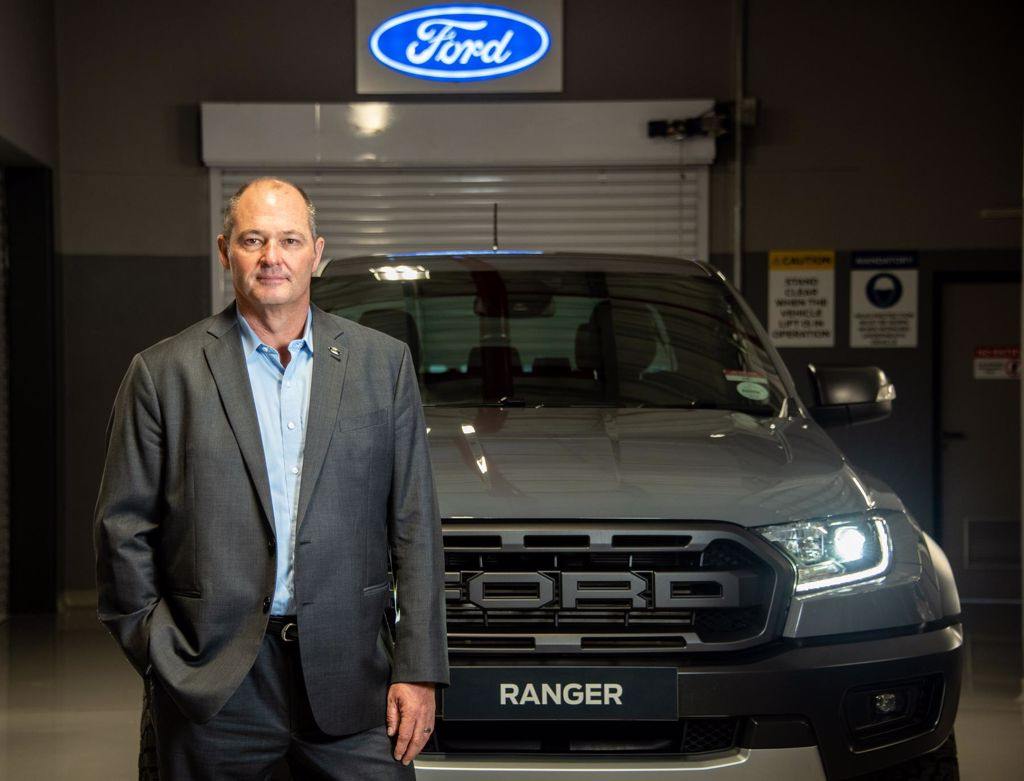
Neale Hill, president of Ford Africa, criticised government in 2023 over challenges such as load shedding, port backlogs, and a dysfunctional railway network.
Biene added that although the industry is “better now,” the current climate does not provide enough security to keep investors in the country. A total of 610,000 vehicles were built locally in 2025, far below the projected 878,000. With 71% exported and 68% of those exports going to Europe, she warned the numbers signal continued risk for South Africa’s auto sector.


Discussion about this post