



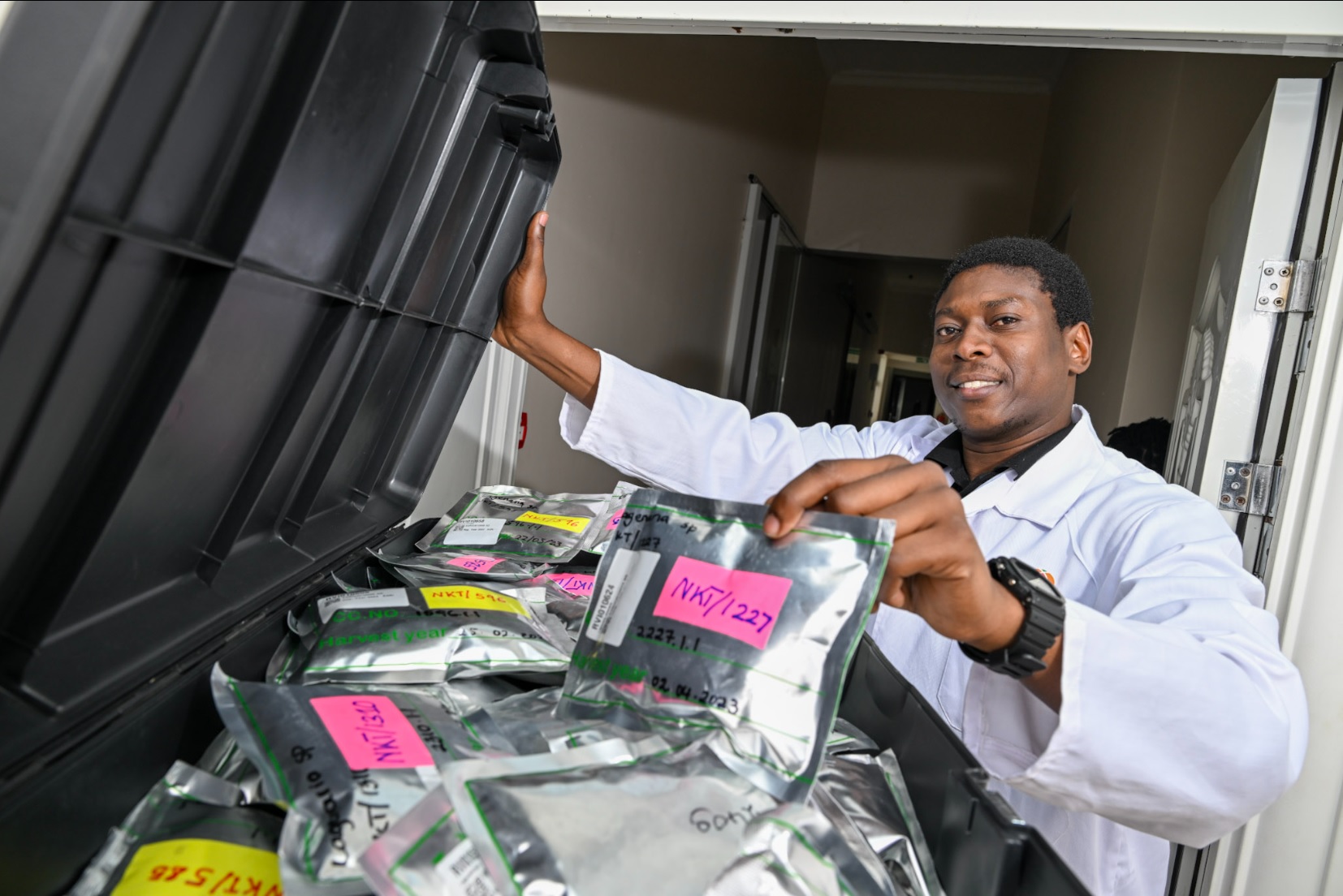
Arusha – Eswatini’s national vegetable genebank has sent its first shipment of seeds to Africa’s Vegetable Genebank in Arusha, Tanzania, where they will be preserved for long-term backup storage.
The consignment, weighing about 70 kilograms, contained 383 seed samples of traditional African crops including chili, pumpkin, melon, gourd, okra, sesame, beans, Bambara groundnut, mung bean and cowpea. These vegetables are valued not only for their nutritional benefits but also for their ability to withstand harsh climate conditions.
Sydney Boy Simelane, Principal Secretary in the Ministry of Agriculture, described the development as an important step in regional cooperation. He said Eswatini’s genebank was created with the aim of sharing seed diversity with other countries, while also benefiting from their collections.
The exchange builds on earlier seed deliveries to Eswatini from Africa’s Vegetable Genebank between 2021 and 2022. During that period, more than 10,000 seed kits with 11 vegetable varieties were distributed to local farmers and schools to fight malnutrition and improve children’s diets.


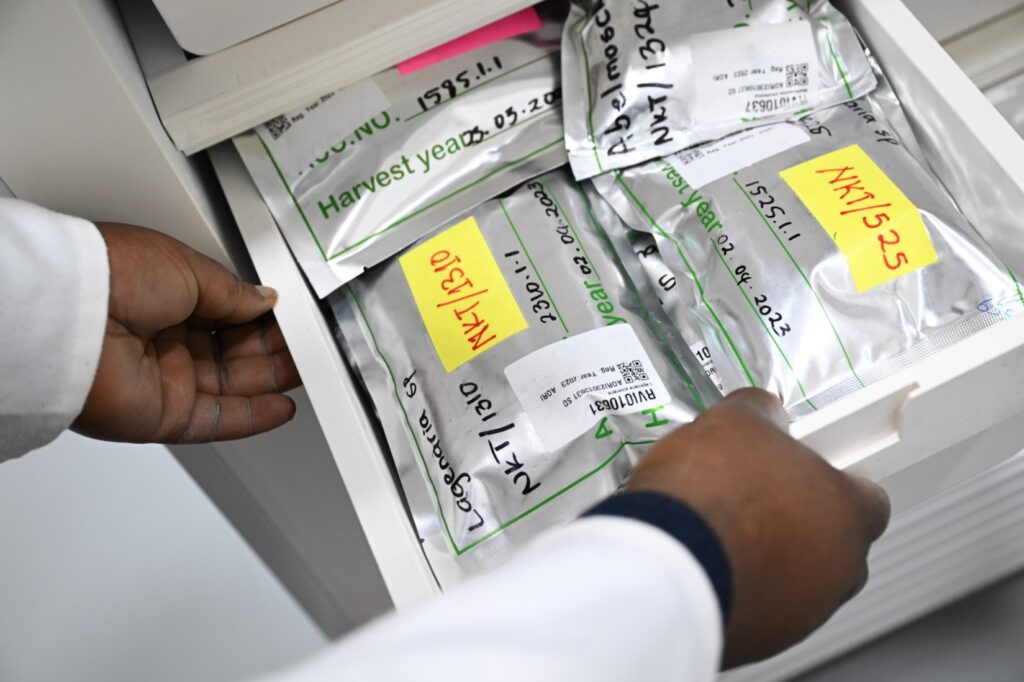
Support for the initiative came from the Taiwan-Africa Vegetable Initiative (TAVI), which previously helped collect endangered vegetable species across Eswatini and funded the construction of the national genebank at the Malkerns Agricultural Research Station in Luyengo. Officially opened in March this year, the facility preserves the country’s unique plant diversity and shares it with farmers and researchers.


Experts say storing Eswatini’s seed collection in Tanzania provides insurance against threats such as natural disasters, equipment breakdowns or other risks that could compromise the national genebank. The move also aligns with the African Biodiversity Rescue Plan, a decade-long strategy to conserve and use plant genetic resources across the continent.
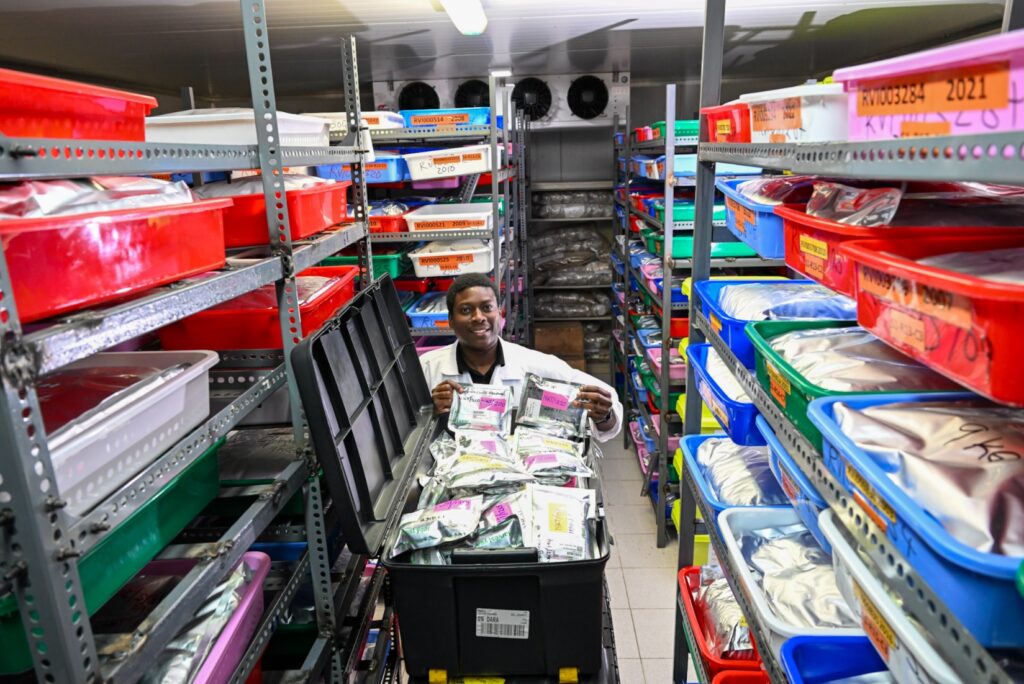
Yuan-li Chan, TAVI Project Manager, said the milestone demonstrates progress in crop conservation and food security, noting that years of detailed work went into securing traditional vegetables. Africa’s Vegetable Genebank manager, Sognigbe N’Danikou, added that the partnership proves Eswatini’s facility meets international standards and that the collaboration allows seed exchange both ways, giving local farmers access to Africa’s largest vegetable collection.




Discussion about this post