




Mumbai – Can India’s Africa strategy hold up against global competitors in shaping a strong and sustainable partnership?
As global power dynamics shift, India has reaffirmed the strategic importance of the India-Africa partnership, stressing the need for sustainable development, economic resilience, and a viable alternative to debt-driven infrastructure models.
“We are ready to have a meaningful engagement based on mutual interest with Africa.” That was the sentiment expressed in every corner of India during our visit.
From pharmaceuticals to infrastructure, India’s 2047 development vision signals its readiness to partner with African countries, particularly those in the Global South.


However, for this partnership to thrive, African states must tackle the bureaucratic hurdles that make investing difficult—particularly in countries like Eswatini.


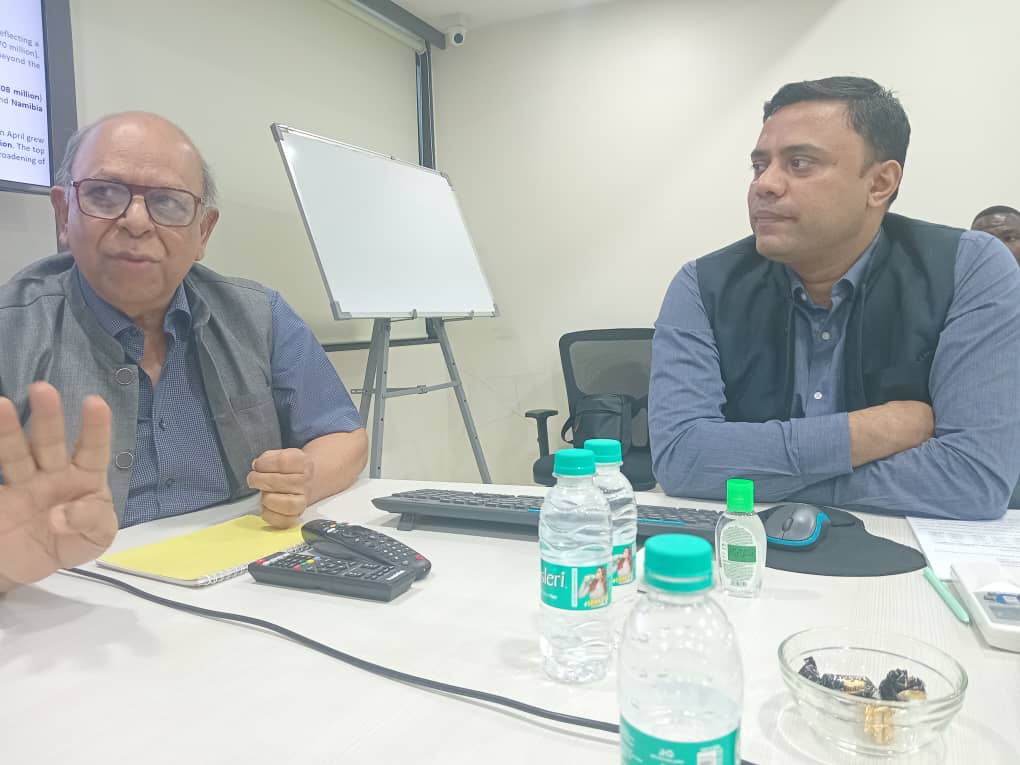
“We want to invest in Africa and have production there, but setting up a factory requires a lot. There is too much bureaucracy, and inspections take too long. Our pharmaceutical products are very affordable,” said Sumanta Choudhury, Adviser to Pharmexcil.
While India is ready to work with Africa, the red tape in many African countries makes that difficult. Heads of state are being urged to clear these investment barriers if they hope to fully benefit from India’s development cooperation.
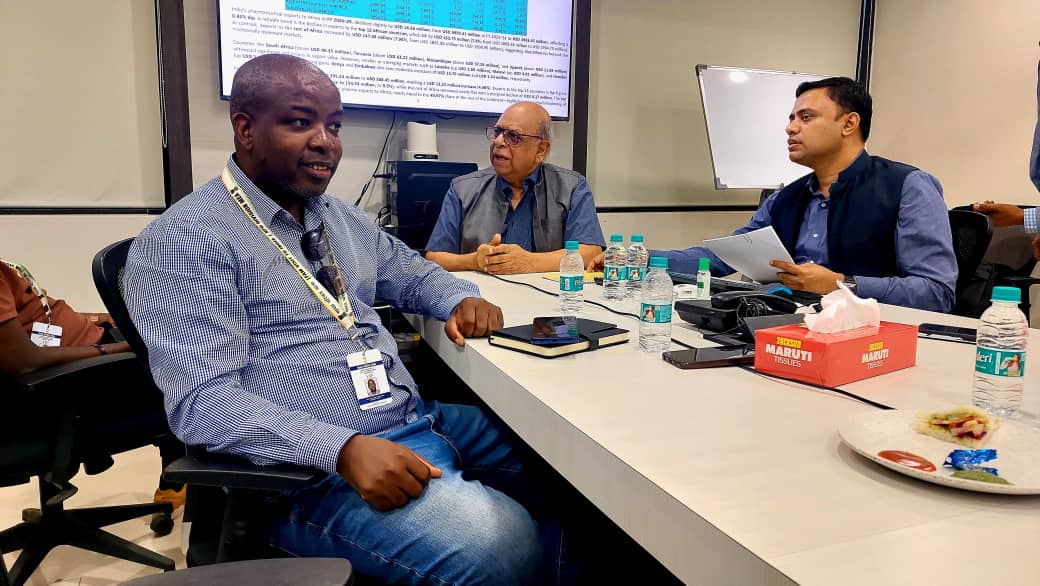
The challenges are not just regulatory—they also include smaller but significant issues like visa restrictions. In Eswatini, for example, strict visa requirements have discouraged Indian investors from exploring opportunities.
India may have brought Africa into sharp focus, but is it Africa’s preferred partner? The country certainly enjoys goodwill across the continent thanks to long-standing solidarity—but the question remains whether it has enough leverage.
India’s political commitment to Africa has been matched by growing economic investments. Currently, India is Africa’s third-largest trading partner—after the European Union and China—with two-way trade valued at nearly US$90 billion.
Indian investments in Africa have grown rapidly, making it the tenth-largest investor in terms of FDI stock. India’s development cooperation has also expanded significantly since the early 2000s, with many African countries benefiting from Indian lines of credit.
Although China still leads in infrastructure financing, its funding has slowed in recent years. India, on the other hand, has made infrastructure development a cornerstone of its Africa strategy. To date, India has completed 206 projects in 43 African countries, with 65 more under construction, bringing the total investment to over US$13 billion.
India is also helping to build African capacity through the ITEC programme, scholarships, and the establishment of institutions across the continent.
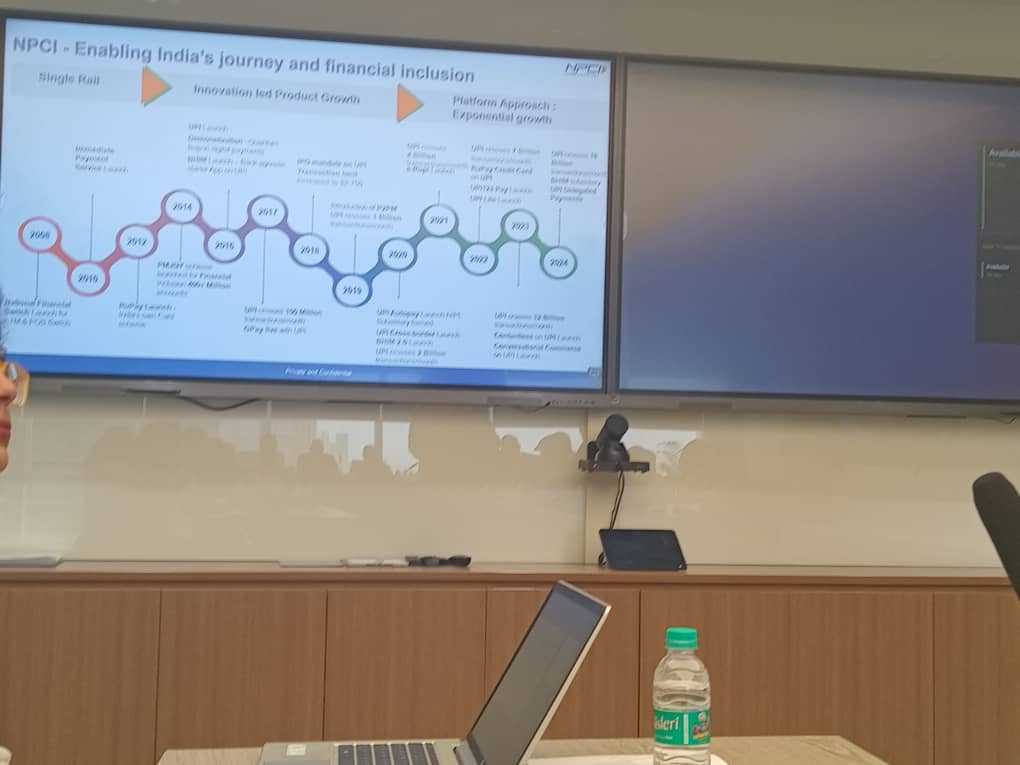
During a session at the National Payments Corporation (NPC), the focus shifted to collaborative investments as a means of not only fostering economic growth in Africa but also countering monopolistic influences in the region.
“India’s approach to Africa has always been guided by a deep-rooted commitment to long-term, mutually beneficial partnerships,” said Mr. Ritesh Shukla, MD & CEO of NIPL. “Unlike extractive models, India believes in capacity-building, skill development, and technology transfer—ensuring African countries not only benefit from investments but also develop self-sustaining growth ecosystems.”
He noted that India is Africa’s fourth-largest trading partner, with bilateral trade nearing US$100 billion and still growing.
“India has also made a significant commitment to Africa’s connectivity and infrastructure development, with over US$12 billion in concessional credit and more than 200 completed projects across the continent, covering railways, power generation, agriculture, and water supply,” Shukla added.
“As the Global South emerges as a key driver of future economic growth, we must ensure its aspirations are well represented on the global stage. India has always championed that cause.”


Discussion about this post