



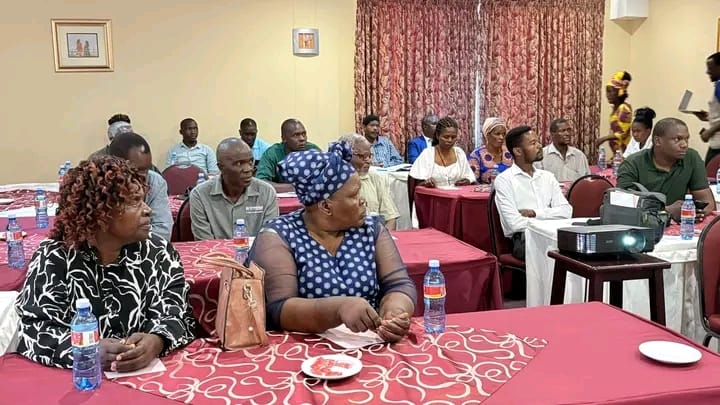
Ezulwini- Tobacco farmer Salebona Masuku of Shiselweni has challenged the exclusion of farmers from the proposed tobacco control board, arguing that their interests need to be represented in decisions that could affect their livelihoods.
Masuku raised the concern during consultations on the proposed Tobacco and Related Products Bill of 2026, questioning why farmers were not included among the stakeholders to be represented on the board, which would be appointed by the Minister of Health.
He suggested that a representative from the Ministry of Agriculture could help ensure that the concerns of tobacco farmers are considered when decisions affecting the sector are made.
Responding to his submission, Ntombifuthi Ginindza from the Ministry of Health said the United Nations convention did not allow such representation.


The World Health Organization guidelines, under recommendation 4., state that government should not allow anyone employed by the tobacco industry, or any entity working to further its interests , to sit o a government body, committee or advisory group responsible for setting or implementing tobacco- control or public- health policy.
Under the proposed Bill, the board would be chaired by a senior health officer and include representatives from the ministries responsible for agriculture, information and communications technology, commerce, industry and trade, tourism, and environmental affairs, among others.
The proposed composition places several government departments on the board, with their representatives expected to bring their respective sectoral perspectives to tobacco-control matters. However, Masuku’s submission highlighted the question of how the interests of farmers would be considered within the proposed governance structure.
The consultations are part of the Ministry of Health’s nationwide engagement on the proposed legislation, which seeks to strengthen tobacco control, close enforcement gaps and tighten restrictions on smoking in public places and the marketing of tobacco products.


The Bill also seeks to address emerging nicotine products and introduce measures to curb youth-oriented marketing as part of efforts to protect young people from addiction.
The proposed legislation is being considered at a time when the ministry is seeking input from different stakeholders before it proceeds further through the legislative process.
Ginindza also emphasized the importance of public participation in shaping the proposed law, saying the consultations are intended to capture different perspectives while prioritizing public health.


Discussion about this post