



Mbabane– Eswatini has no shortage of research and information on climate change and agriculture, but the failure to translate this knowledge into practical solutions is leaving rural youth and smallholder farmers behind.
This was the concern raised by Ngwempisi Inkhundla Youth Committee Chairperson Ellis Dlamini, who called for youth-led organizations to prioritise knowledge management and knowledge sharing as part of the country’s response to climate change.
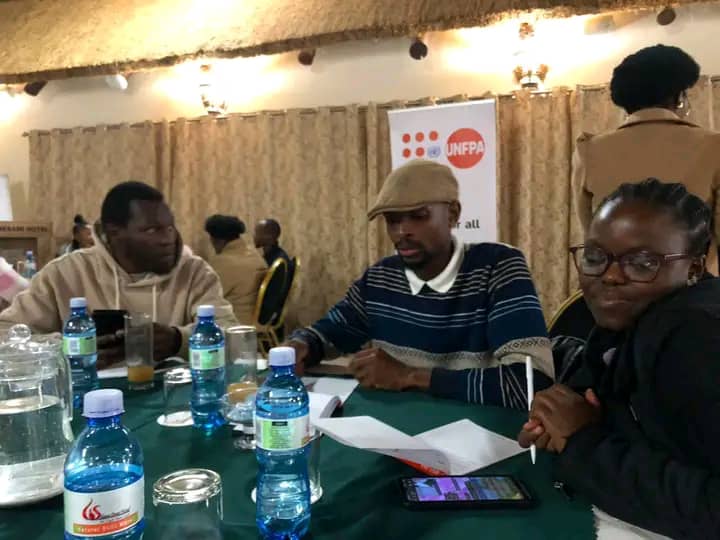
Dlamini was speaking during the Manzini Regional Local Conference of Youth (LCOY) Eswatini regional convening programme held at the Matsapha Municipality Conference Room under the theme “Building Sustainable Futures: Harnessing Youth-led Climate Action in Eswatini.”
He said researchers were already generating knowledge, but the challenge was ensuring that the information reached communities in a form that could be understood and applied.


“Knowledge management is not given the due attention, that’s why we are struggling. Knowledge is available in abundance but translating knowledge into practice by smallholder farmers remains the biggest challenge in the region,” Dlamini said.
He said this gap was particularly concerning among rural youth, who were being left behind despite the availability of information that could potentially help them respond to climate-related challenges.
Dlamini urged youth-led organizations to establish stronger systems for managing and sharing knowledge, arguing that knowledge should not remain confined to research institutions, libraries or online platforms.
“Unless it is translated into practice, it is useless,” he said.
He suggested that youth-led organizations should consider creating dedicated positions for knowledge management, saying this would help ensure that information generated through research was deliberately taken to communities and converted into practical interventions.


“ All youth-led organizations should have a director of knowledge management,” Dlamini declared.
His comments came as young people from various constituencies across the Manzini Region gathered to discuss climate change and develop youth-led responses that could contribute to the attainment of the 2030 Agenda.
Dlamini also warned that the knowledge gap was unfolding against a backdrop of growing climate vulnerability, particularly among developing countries and communities that have contributed relatively little to global emissions.
He said climate change was already undermining development gains and placing additional pressure on vulnerable communities.
“The poor and vulnerable people, who have contributed the least to climate change, are disproportionately bearing its brunt. This is unjust and unacceptable,” he said.
Dlamini called for stronger leadership and meaningful cooperation in addressing climate change, while urging wealthier, high-emission countries to honour their financial commitments towards climate adaptation.
He said Eswatini needed to move from climate vulnerability towards climate resilience by developing innovative solutions that responded to the realities faced by communities.
” On behalf of Ngwempisi Inkhundla youth authorities and youth-led organizations, I humbly urge you to find innovative solutions for climate prosperity,” he said. The regional LCOY programme was organised by the Youth Sustainable Development Centre, Hlumisa Youth Climate Network, Eswatini Climate Change Youth Parliament, Eswatini Youth in Water, Eco Harmony Eswatini and Boyane High School Eco Club


Discussion about this post