



MBABANE- The Office of the Auditor-General (OAG) is preparing to take Eswatini’s public auditing into a more digital and citizen-focused era, with artificial intelligence (AI), data analytics and other emerging technologies set to play a greater role in scrutinising the use of public funds.
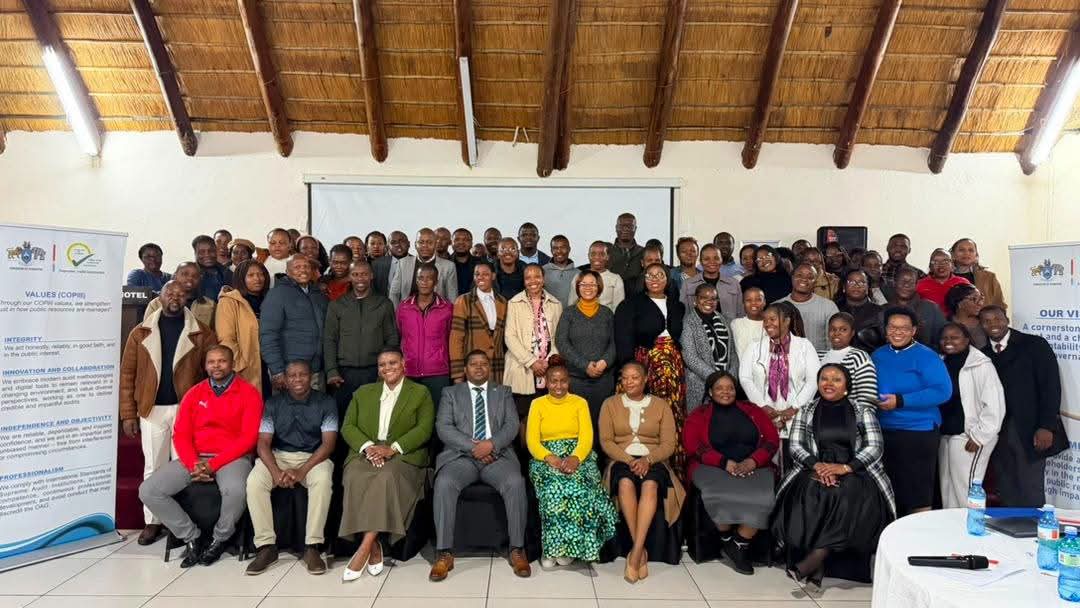
This emerged during the internal launch of the OAG Strategic Plan 2026–2030, held on Friday at SibaneSami Hotel, where more than 80 officers from audit and corporate services were introduced to the institution’s roadmap for the next five years.
Auditor-General Timothy Matsebula challenged staff to embrace technological change, warning that the rapidly evolving environment in government accounting and auditing requires the OAG to continuously adapt if it is to remain relevant and effective.
Matsebula said AI is already changing the way work is done by creating easier and more efficient ways of performing tasks, while public expectations around accountability are also becoming increasingly complex.


He urged officers to see these changes as an opportunity to rethink how public audits are conducted and how the institution can create greater impact.
At the centre of his message was a question he said should guide the work of every auditor: Was value received by citizens from the use of public funds?


“As you do your work, you derive answers to ‘was value received by the citizens in the use of public funds?’ With each budget appropriation what value does the budget bring to the citizens,” Matsebula said.
He emphasised that the OAG’s responsibility goes beyond certifying accounts and producing audit reports. Its broader mandate, he said, is to help strengthen value for money, service delivery and accountability across the public sector.
The new strategy seeks to achieve this through four key outcomes: strengthening the independence and legal framework of the Supreme Audit Institution, positioning the OAG as a model public institution, enhancing accountability and transparency through high-quality audits, and demonstrating continued relevance to stakeholders.
Five strategic priorities have been identified to drive the transformation.
These include strengthening legal and institutional independence, improving audit impact and implementation of recommendations, institutionalising quality management and professional excellence, advancing digital transformation, and building a high-performing and ethical institution.


Discussion about this post